Graph-structured hyperdimensional computing for data-efficient and explainable process–structure–property prediction
Jingzhan Ge, Ajeeth Vellore, Ajinkya Palwe et al.
· Information Sciences · 0 citations
Category
1,828 papers
Next-generation sequencing technology has propelled the field of biology into the big data era, and continual advancements in computing have now made it easier to explore complex biological systems. However, analysing such highly complex data with conventional machine learning algorithms can be troublesome as these tec...
This thesis explores utilising deep learning methodologies for tasks relating to learning from boundary representation (B-Rep) CAD models. The ambition is to use deep learning for an automatic feature recognition algorithm to identify geometric features to help automate the CAD to analysis pre-processing task of defeat...
Sourced survey with a public quote-per-claim evidence ledger on whether a persistent, self-routing recurrent graph of neural nodes gives more reasoning capacity per stored parameter than a weight-shared looped Transformer, plus a preregistered matched experimental protocol (not run). Built with AI agents; see README.
Reach audiences
Advertise in front of researchers, engineers, and readers.
Sourced survey with a public quote-per-claim evidence ledger on whether a persistent, self-routing recurrent graph of neural nodes gives more reasoning capacity per stored parameter than a weight-shared looped Transformer, plus a preregistered matched experimental protocol (not run). Built with AI agents; see README.
Efficient thermal management is critical in data centers, where computational fluid dynamics (CFD) simulations provide high-fidelity airflow and temperature predictions but remain computationally demanding and time-intensive. While data-driven methods have emerged as promising alternatives, most existing works are limi...
Challenges cloud-based enterprise data governance is encountering include data growth, regulatory changes, and the inflexibility of traditional rule-based systems. This systematic literature review, based on PRISMA guidelines, analyses 67 peer-reviewed papers (2019–2026) under three research questions related to AI-dri...
To ensure the safe, stable, and reliable operation of the artificial intelligence power trading system, and to overcome the shortcomings of existing risk assessment methods such as relying on labeled data, difficulty tracking risk causality, and poor real-time performance, this study proposes an evaluation method that...
Assistant Professor Pat Pataranutaporn describes a new interface that lets everyday users glimpse inside an AI's neural network before their chatbot ever says a word.
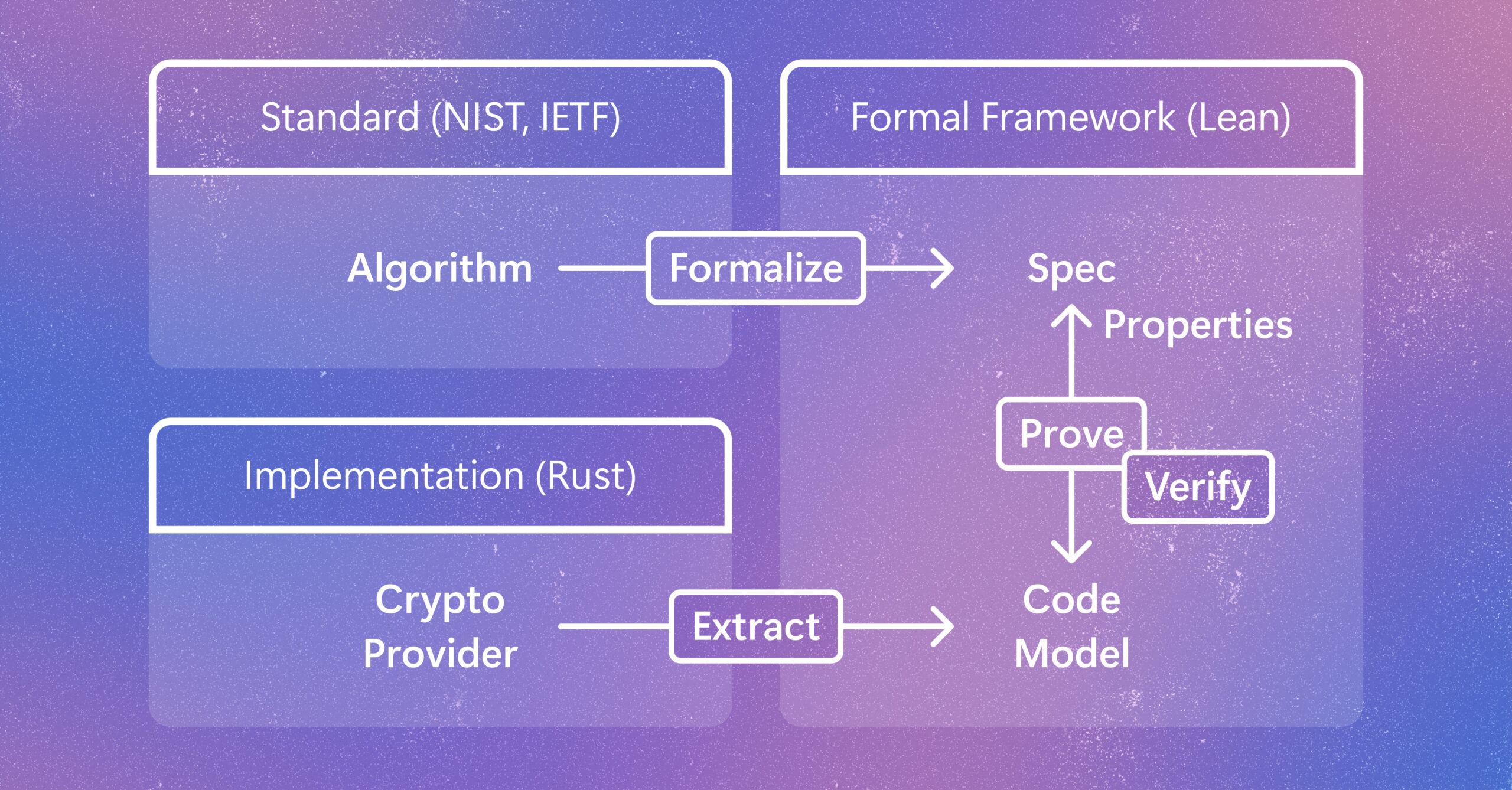
Cryptographic code supports vital protections in modern computing systems. Learn how a new method helps verify code as developers write it while preserving speed and adaptability as it gets implemented and evolves. The post Verifying Rust cryptography in SymCrypt, from standards to code appeared first on Microsoft Research.
PhD student Rachel Sava, winner of the Envisioning the Future of Computing Prize, explores transformative improvements and dystopian risks of neural technology.
Climate & Sustainability
We use cookies to run the site and, with your consent, for analytics and to show ads. See our Cookie Policy.