Back to #gene editing
#gene editing Review

Universal CAR-T cell therapy: mechanisms and evasion strategies of bidirectional immune rejection.

Lu Ding Lianfeng Zhao Mengting Zhang Tianyu Chen Zhigang Guo
Aug 2026 · Biochimica et biophysica acta. Reviews on cancer · pp. 189690 · 0 citations
Medicine

Abstract

While autologous chimeric antigen receptor (CAR)-T cell therapies have revolutionized the treatment of hematological malignancies, their widespread clinical application remains constrained by lengthy manufacturing cycles, prohibitive costs, and variable patient-derived cell quality. Consequently, "off-the-shelf" universal allogeneic CAR-T cells have emerged as a highly anticipated alternative. However, the clinical translation of these allogeneic therapies faces formidable immunological bottlenecks, principally driven by bidirectional immune rejection: graft-versus-host disease (GVHD) and host-versus-graft rejection (HVGR). To overcome these barriers, multi-tiered immune evasion and engineering strategies are rapidly evolving. This review systematically delineates the mechanisms underlying bidirectional immune rejection and comprehensively summarizes state-of-the-art mitigation strategies. Specifically, we explore how GVHD can be abrogated through gene editing (e.g., TCR knockout), expression blockade, and pharmacological interventions. Conversely, we examine how HVGR is being effectively suppressed via passive immune cloaking, active immune defense mechanisms, and the synergistic remodeling of the host immune microenvironment. Furthermore, we highlight the development of alternative, inherently hypoimmunogenic cell sources as a fundamental approach to circumventing these immunological barriers. Ultimately, this review aims to provide a comprehensive framework and forward-looking reference for translating universal CAR-T cell therapies from conceptual design to broad clinical reality.


View source

Similar papers

#gene editing Review Sep 2026

Unlocking non-model organisms with CRISPR-Cas: A roadmap for sustainable biotechnology.

It is concluded that bridging the gap between foundational CRISPR research and its real-world applications is imperative and future efforts should focus on democratizing tools via open-source platforms, advancing delivery systems, and fostering sustainable innovation through synthetic biology integration to fully realize the transformative potential of genome editing in organisms beyond model organisms.

S. Sarsaiya, Archana Jain, Jishuang Chen et al. · 2 citations
#gene editing Open access Aug 2026

Virus-like particles enable targeted gene engineering and pooled CRISPR screening in primary human myeloid cells.

A virus-like particle (VLP)-based toolkit that delivers diverse CRISPR editing modalities to human monocytes, macrophages and dendritic cells with high efficiency while preserving viability and innate immune responsiveness is presented.

Hyuncheol Jung, Pascal Devant, Carter Ching et al. · 0 citations
#gene editing Open access Aug 2026

CRISPR/Cas9-Mediated Disruption of Duplicated Sizzled Genes Induces Twin-Tail-like Caudal Bifurcation in Goldfish (Carassius auratus)

Findings provide direct functional evidence that szl regulates median caudal patterning in goldfish and suggest that szl-dependent modulation of the Chordin/BMP network can generate twin-tail-like caudal morphology.

Huijuan Li, Xiaoying Zhang, Xiaowen Wang et al. · 0 citations
#gene editing Review Open access Aug 2026

Induced pluripotent stem cell reprogramming: methodological evolution and challenges in clinical translation

This review summarizes the trajectory of iPSC reprogramming technologies and identifies the core “translational triltrilas”, namely, the inherent tradeoffs between security, homogeneity, and scalability, and proposes a comprehensive strategy to overcome these bottlenecks.

Mengmeng Chen, Ning Zuo, Qi Wang et al. · 0 citations

Related blog posts

MIT News · Artificial Intelligence Aug 17, 2026

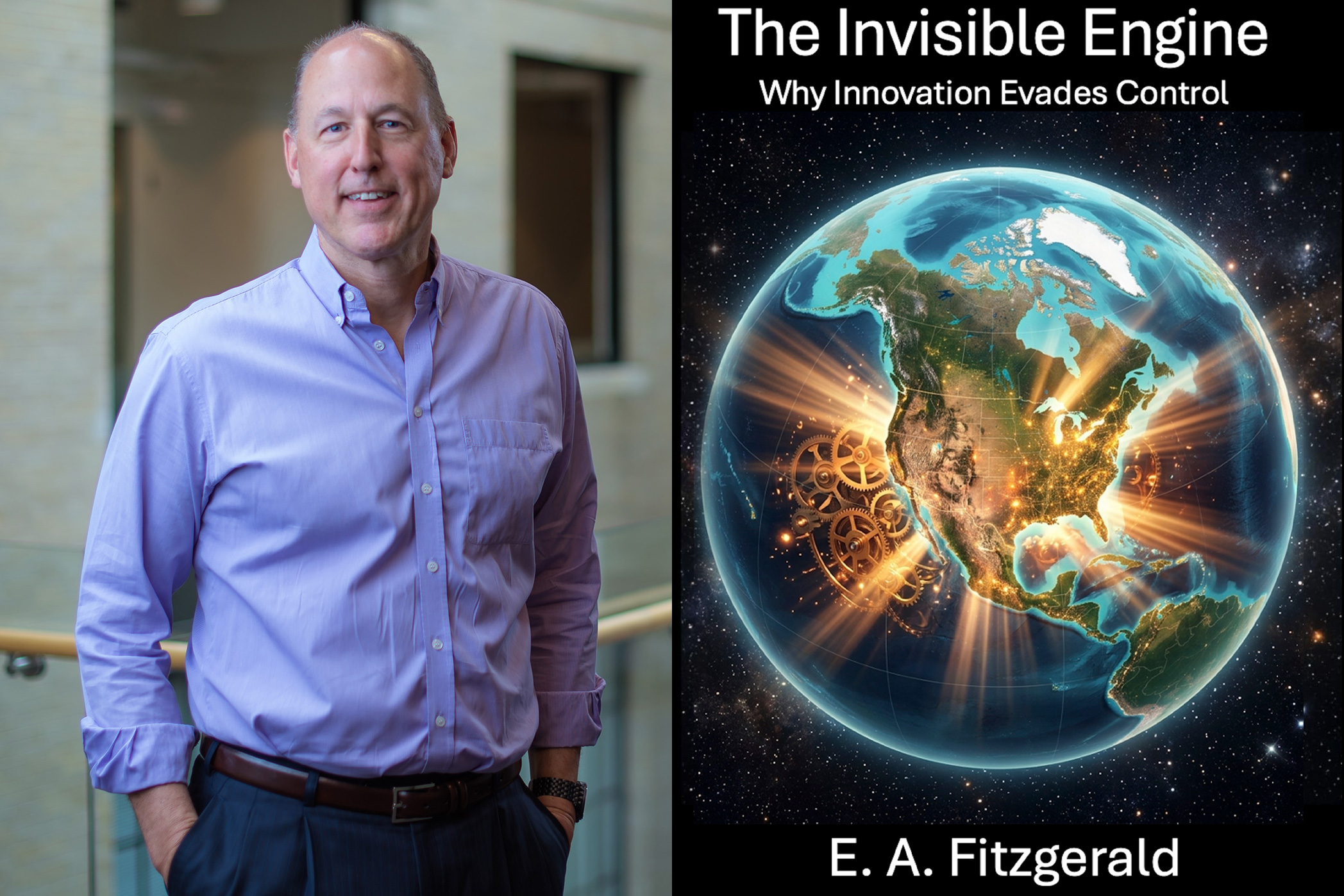
Q&A: Rethinking how innovation happens

In his latest book, Professor Eugene Fitzgerald examines the forces that turn breakthroughs into value — and why innovation resists simple formulas.