A control-plane analysis distinguishing three concepts routinely collapsed in contemporary AI discourse: event verifiability, proxy validity, and governance sufficiency. Taking Reinforcement Learning with Self-Verifiable Rewards and its SpyRL instantiation as its case, it accepts the engineering contribution — an envir...
Lara Stuart-Mueller· Zenodo (CERN European Organi...· 0 citations
This chapter explores the transformative role of artificial intelligence (AI) and machine learning (ML) in modern healthcare and medical training. We first outline the rapid progress of AI, fueled by the digitization of health data and advances in computing, which has led to significant shifts in how clinical data and...
S.G. Joshi, Judy J. Wang, Lauren R. Richter· Enhancing Medical Education...· 0 citations
This paper investigates the output-feedback inverse reinforcement learning (IRL) problem and proposes a data-driven output-feedback off-policy inverse Q-learning algorithm that relies solely on input–output trajectory data from an expert system to address the problem of an unknown performance index in discrete-time lin...
Zheng-Lin Li, Li-Qi Zhang, Xi-Sheng Dai et al.· Actuators· 0 citations
This work states that there has been an upsurge of interest and development of RL theory and applications in the communities of stochastic control, stochastic analysis and unsupervised learning.
Xin Guo, Xun-Yu Zhou· Applied Mathematics and Opti...· 0 citations
Heating, Ventilation, and Air Conditioning (HVAC) systems account for 60–70% of residential electricity consumption in Oman, where extreme desert climate, with temperatures regularly exceeding 45 °C create substantial cooling demands. Unlike general reviews of smart HVAC controls, this study specifically evaluates the...
Mohammed Abu Safaqah, J. Natarajan, Khalid Anwar· Buildings· 0 citations
A comprehensive extraction grid covering the 21 selected primary studies. Synthesizes structural data including author, publication venue, process mining domain, reinforcement learning approach, and explainability (XAI) focus.
Learn how Google DeepMind and GovTech Singapore uses lightweight on-device Gemma models to intercept conversational scams in private chats with zero cloud data egress.
MIT News · Artificial Intelligence· news.mit.eduOct 13, 2026
Machine-learning networks can learn without detailed instructions from a designer. Those that do may offer insight into how the brain reorganizes itself during learning.
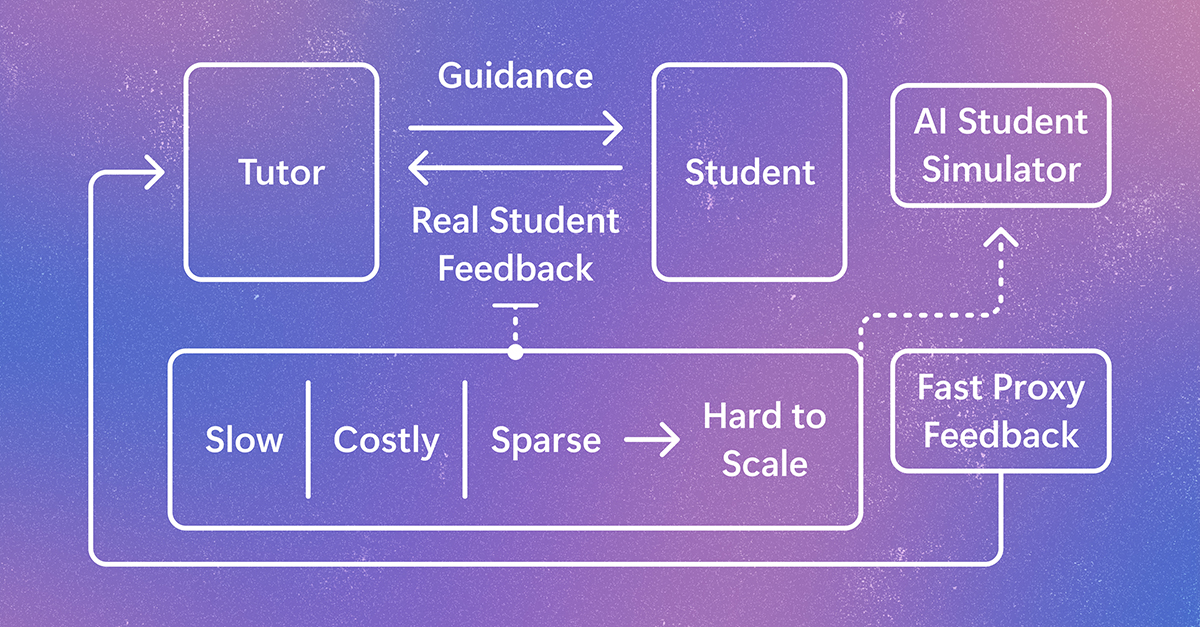
StudentSim is a research system for evaluating and improving AI tutoring tools before they are tested with learners. It models how individuals may engage with tutors, giving feedback to improve tutor performance across subjects like chess, writing, and mathematics. The post Simulating student learning for better AI tutoring appeared first on Microsoft Research.
MIT News · Artificial Intelligence· news.mit.eduOct 7, 2026
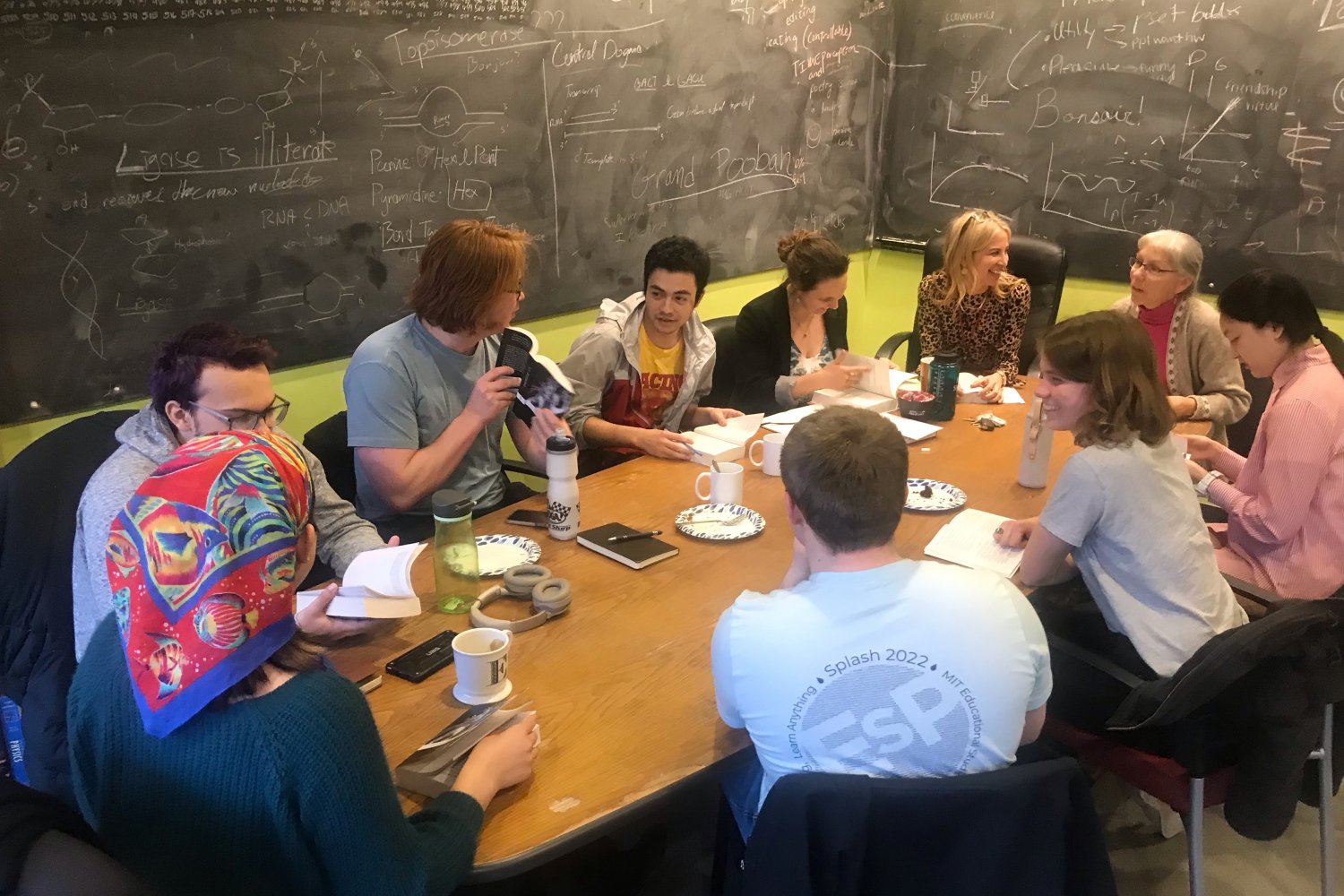
Students in MIT’s Concourse program delve deeply into the human condition, debate challenging questions, and learn to develop judgment about issues that can’t be quantified.
We use cookies to run the site and, with your consent, for analytics and to show ads.
See our Cookie Policy.