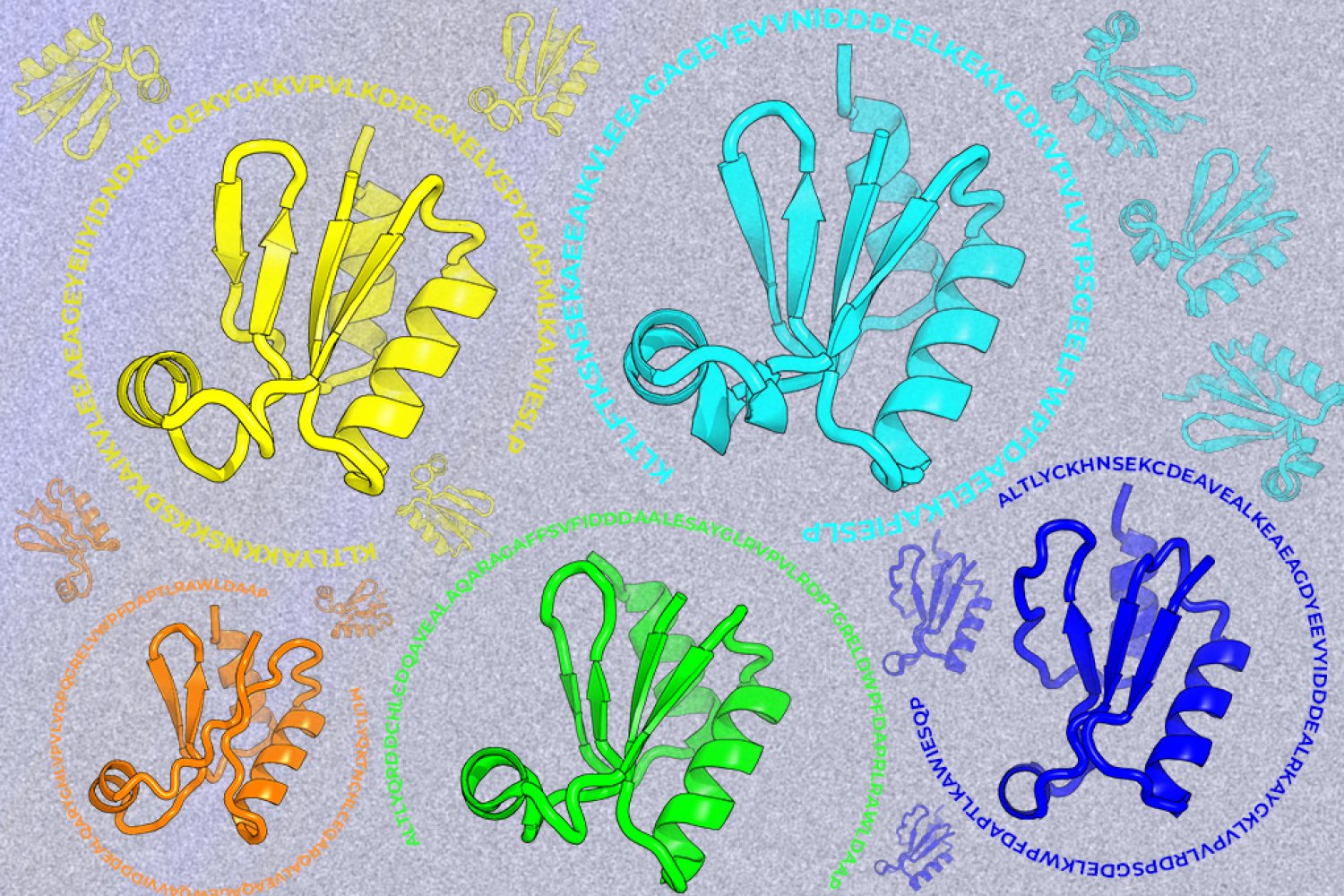
EticaHub Labs computational protein-design dataset — Pancreatic Cancer — run 82c79760-24dc-4c91-8219-3b897a60a793
Abstract
Computational dataset / research audit record, not a validated treatment. This individual run contains 6 archived candidates from 2 reported iterations. The pipeline-selected candidate is #2; its internal automated grade is rejected. Proposed research question (not a demonstrated outcome): Perform alanine-scanning mutagenesis across the helical peptide SAAAAQAAAVAALAAALAALAAQLAALAAQLAALTAQLLAAQ to map KRAS-G12D switch II pocket hotspot residues, then computationally redesign non-critical positions with non-natural amino acids to enhance shape complementarity and Evidence and limitations Computational predictions only. No experimental or clinical evidence is supplied. Scores, automated checks and resolved identifiers do not establish binding, novelty, efficacy, safety or medical benefit. The stored "verified" grade is an internal automated check, not peer review or independent scientific validation. Hypothesis, approach and success criteria below are proposed research, not experiments performed. Checkpoint versions, random seeds and complete tool inputs are not established by this archive export; exact rerun reproducibility is not claimed. Automated fail: Sequence complexity: 1.76 bits — near-homopolymer, folds confidently but carries no binding information Automated fail: Composition bias: 52% of residues are a single amino acid Automated warn: Low-complexity regions: 29 window(s) of 12 aa below 1.8 bits Automated fail: Tertiary structure: extended rod (Rg 19.1 Å vs 9.3 Å expected), no long-range contacts Internal publication gate: verification grade is rejected Internal publication gate: no PubMed citation resolved Files: evidence report, original JSON, all candidate sequences, provenance manifest, license and SHA-256 checksums. Available predicted coordinate exports are included and explicitly labelled; missing structures are not reconstructed. AI-assisted research generated by the EticaHub Labs autopilot. Deaven Mabry is credited as responsible project creator, with EticaHub Labs affiliation. Cited literature remains the work of its original authors; identifier resolution is not claim support.