Back to #gene editing
#gene editing Review Open access

Chinese geneticists across the Pacific: a century of scientific legacies in genetics and genomics

Li-Ming Bao Yong-Hui Jiang Yun-Fai Chris Lau Pei-Ning Li
Aug 2026 · Journal of Translational Genetics and Genomics · 0 citations · 96 references

TL;DR

This historical review presents the breakthrough discoveries by prominent Chinese geneticists during the early pioneering generation, the molecular genetics era, the transition to human and medical genetics, and current progress in genetic and genomic medicine.

Abstract

Modern genetics began with the rediscovery of Mendelian inheritance in 1900. The discovery of the DNA double helix in 1953 laid the foundation of molecular genetics. The Human Genome Project from 1990 to 2003 provided a fundamental genetic blueprint of human biology, with a lasting and expanding impact on the development of numerous genomic, multi-omics, and gene-editing technologies for precision medicine. To highlight the contributions of Chinese geneticists with work and training experience across the Pacific, this historical review presents the breakthrough discoveries by prominent Chinese geneticists during the early pioneering generation (1920-1950), the molecular genetics era (1951-1990), the transition to human and medical genetics, and current progress in genetic and genomic medicine (1991-present). These world-renowned geneticists have made significant contributions to understanding the molecular mechanisms that regulate biological processes, the etiology and pathogenesis of genetic diseases, and the development of novel genetic engineering and therapeutic approaches. They also played leading roles in various professional organizations, academic centers, and industry. Standing on the shoulders of these prominent Chinese geneticists, current and future generations of geneticists and researchers could have a broader vision and more deeply explore the frontiers of genetics.


Read PDF

Similar papers

#gene editing Review Sep 2026

Unlocking non-model organisms with CRISPR-Cas: A roadmap for sustainable biotechnology.

It is concluded that bridging the gap between foundational CRISPR research and its real-world applications is imperative and future efforts should focus on democratizing tools via open-source platforms, advancing delivery systems, and fostering sustainable innovation through synthetic biology integration to fully realize the transformative potential of genome editing in organisms beyond model organisms.

S. Sarsaiya, Archana Jain, Jishuang Chen et al. · 2 citations
#gene editing Open access Aug 2026

Virus-like particles enable targeted gene engineering and pooled CRISPR screening in primary human myeloid cells.

A virus-like particle (VLP)-based toolkit that delivers diverse CRISPR editing modalities to human monocytes, macrophages and dendritic cells with high efficiency while preserving viability and innate immune responsiveness is presented.

Hyuncheol Jung, Pascal Devant, Carter Ching et al. · 0 citations
#gene editing Open access Aug 2026

CRISPR/Cas9-Mediated Disruption of Duplicated Sizzled Genes Induces Twin-Tail-like Caudal Bifurcation in Goldfish (Carassius auratus)

Findings provide direct functional evidence that szl regulates median caudal patterning in goldfish and suggest that szl-dependent modulation of the Chordin/BMP network can generate twin-tail-like caudal morphology.

Huijuan Li, Xiaoying Zhang, Xiaowen Wang et al. · 0 citations

Related blog posts

MIT News · Artificial Intelligence Aug 17, 2026

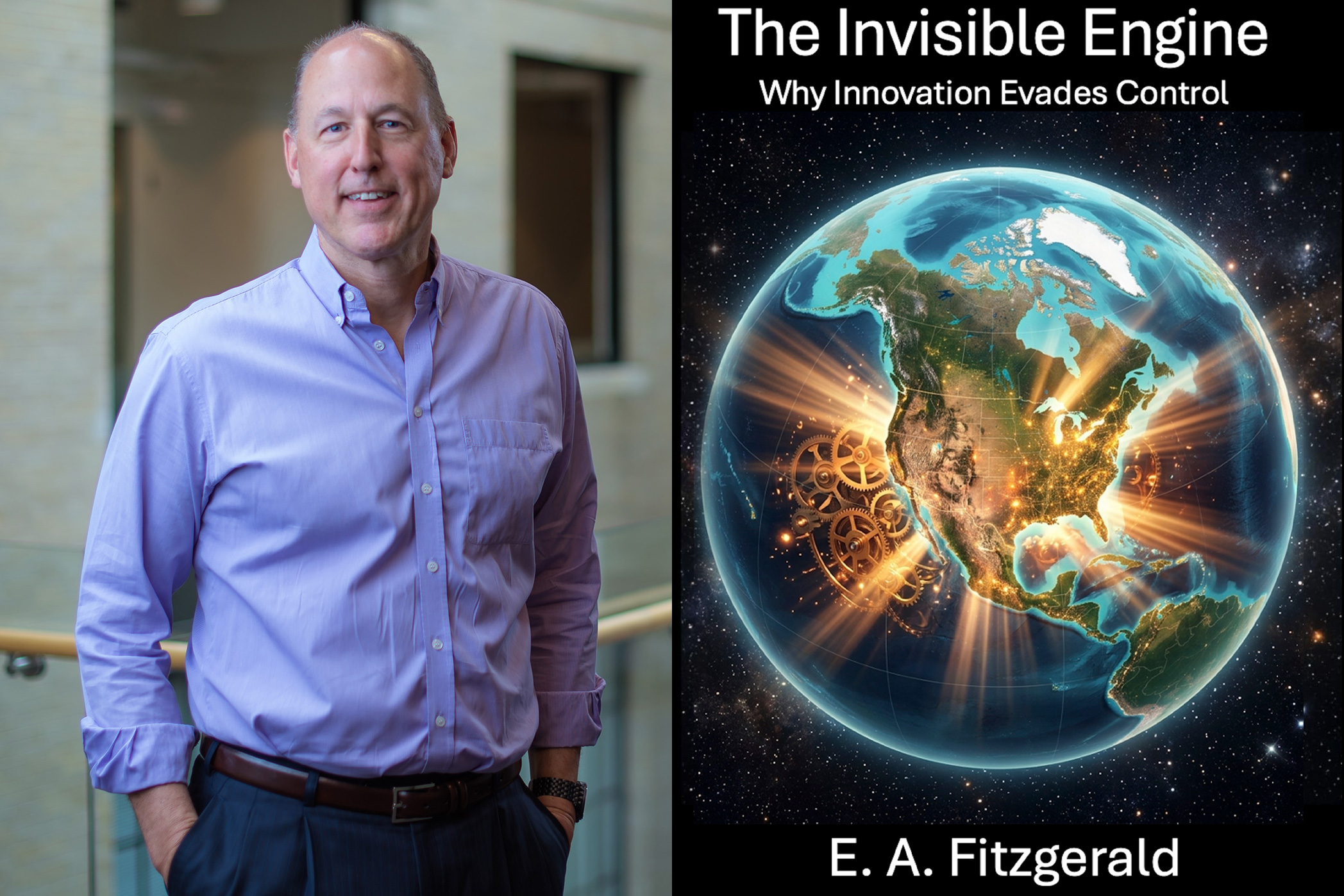
Q&A: Rethinking how innovation happens

In his latest book, Professor Eugene Fitzgerald examines the forces that turn breakthroughs into value — and why innovation resists simple formulas.