Back to #gene editing

A surface-mediated hydrogel patch for localized CRISPR genome editing in inflammatory wound therapy.

Aug 2026 · Materials Horizons · 0 citations
Medicine

TL;DR

A pH-gated surface-mediated hydrogel patch for infection-responsive delivery of CRISPR-Cas9 ribonucleoprotein (RNP) complexes establishes a novel paradigm for localized, precision gene therapy and holds strong translational promise for the treatment of chronic inflammatory wounds.


Abstract

The NLRP3 inflammasome is a central driver of inflammatory tissue injury and delayed repair in bacteria-infected wounds, yet local genome editing in such lesions remains limited by nonspecific release and off-target exposure. Here, we report a pH-gated surface-mediated hydrogel patch for infection-responsive delivery of CRISPR-Cas9 ribonucleoprotein (RNP) complexes. Rather than embedding the cargo within the bulk matrix, polymer-coated NLRP3-targeting RNPs are reversibly anchored on the hydrogel surface, enabling localized presentation under physiological conditions and rapid detachment in the acidic microenvironment of Staphylococcus aureus (S. aureus)-infected wounds. In vitro studies demonstrated an NLRP3 editing efficiency of 57% in J774A.1 cells and 69% in L929 cells surpassing or matching the performance of the commercial transfection reagent Lipofectamine CRISPRMAX (50% in J774A.1; comparable in L929). In a murine full-thickness skin defect model with S. aureus infection, topical administration of the patch achieved >20% NLRP3 editing efficiency in wound tissue, accompanied by a statistically significant reduction in inflammatory cell infiltration. Consequently, this pH-responsive surface anchoring and release strategy establishes a novel paradigm for localized, precision gene therapy and holds strong translational promise for the treatment of chronic inflammatory wounds.
View source

Similar papers

#gene editing Review Sep 2026

Unlocking non-model organisms with CRISPR-Cas: A roadmap for sustainable biotechnology.

It is concluded that bridging the gap between foundational CRISPR research and its real-world applications is imperative and future efforts should focus on democratizing tools via open-source platforms, advancing delivery systems, and fostering sustainable innovation through synthetic biology integration to fully realize the transformative potential of genome editing in organisms beyond model organisms.

S. Sarsaiya, Archana Jain, Jishuang Chen et al. · 2 citations
#gene editing Open access Aug 2026

Virus-like particles enable targeted gene engineering and pooled CRISPR screening in primary human myeloid cells.

A virus-like particle (VLP)-based toolkit that delivers diverse CRISPR editing modalities to human monocytes, macrophages and dendritic cells with high efficiency while preserving viability and innate immune responsiveness is presented.

Hyuncheol Jung, Pascal Devant, Carter Ching et al. · 0 citations
#gene editing Open access Aug 2026

CRISPR/Cas9-Mediated Disruption of Duplicated Sizzled Genes Induces Twin-Tail-like Caudal Bifurcation in Goldfish (Carassius auratus)

Findings provide direct functional evidence that szl regulates median caudal patterning in goldfish and suggest that szl-dependent modulation of the Chordin/BMP network can generate twin-tail-like caudal morphology.

Huijuan Li, Xiaoying Zhang, Xiaowen Wang et al. · 0 citations
#gene editing Review Open access Aug 2026

Induced pluripotent stem cell reprogramming: methodological evolution and challenges in clinical translation

This review summarizes the trajectory of iPSC reprogramming technologies and identifies the core “translational triltrilas”, namely, the inherent tradeoffs between security, homogeneity, and scalability, and proposes a comprehensive strategy to overcome these bottlenecks.

Mengmeng Chen, Ning Zuo, Qi Wang et al. · 0 citations

Related blog posts

MIT News · Artificial Intelligence Aug 17, 2026

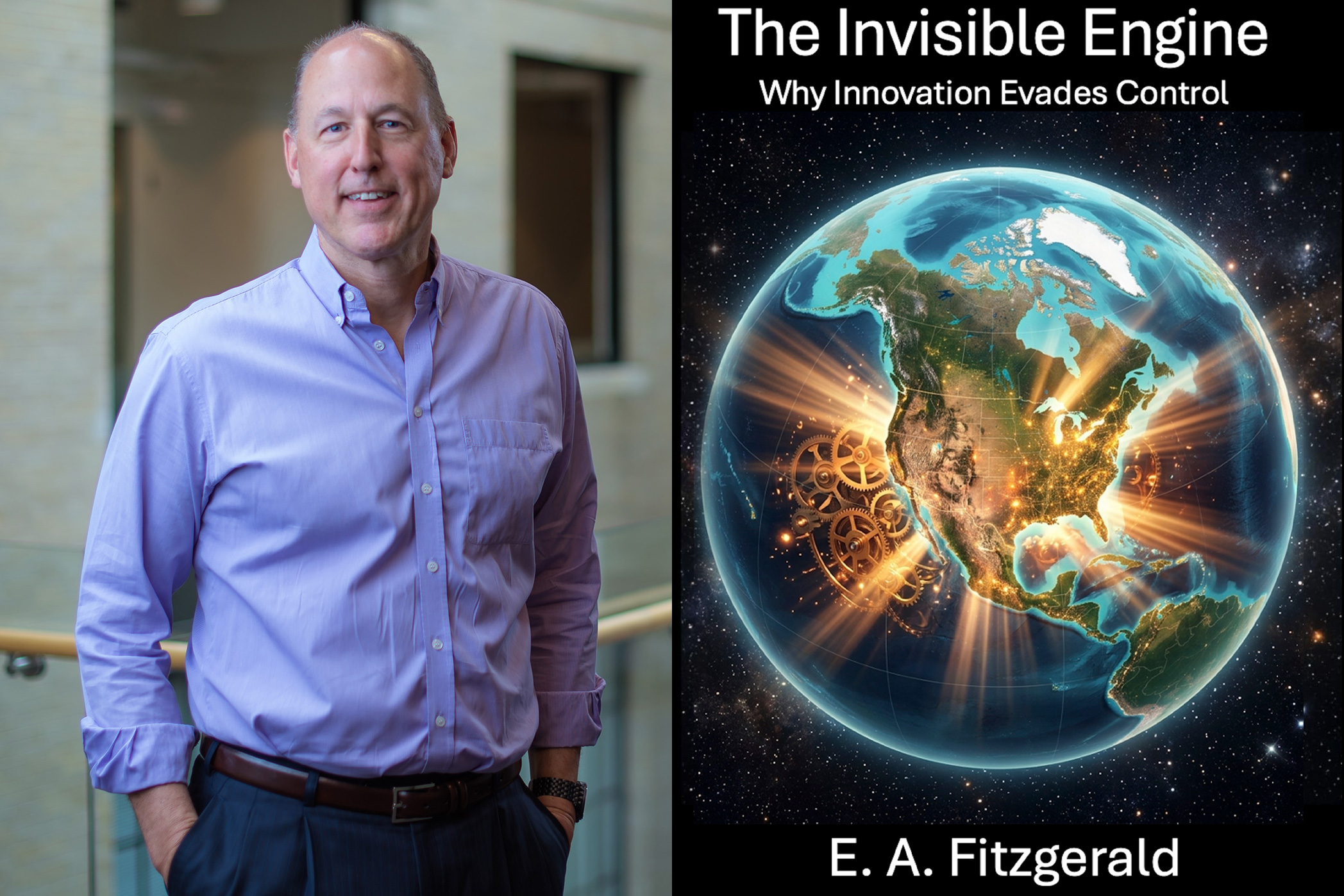
Q&A: Rethinking how innovation happens

In his latest book, Professor Eugene Fitzgerald examines the forces that turn breakthroughs into value — and why innovation resists simple formulas.