CRISPR/CAS9-based gene editing in cancer therapy
Unknown authors
· Medicine · 0 citations
Category
1,364 papers
Millions of genetic variants are linked to human disease but identifying underlying mechanisms is challenging because most variants are noncausal and lie within the noncoding genome. We developed a Micro Capture-C variant-to-function platform (MCCv) based on analysis of single-allele chromatin structure. This can ident...
Core fucosylation (alpha1,6-fucosylation) of N-glycans, catalyzed solely by fucosyltransferase 8 (FUT8), plays important roles in development, immunity, and antibody effector functions. Here we report the generation of Fut8 floxed mice using a CRISPR/Cas9-based Extreme Genome Editing (EGE) system, in which loxP sites f...
Reach audiences
Advertise in front of researchers, engineers, and readers.
Food availability in natural habitats is often unpredictable and drives the selection of adaptive strategies in organisms to survive food scarcity. However, the genetic and molecular mechanisms that enable animals to survive under such nutritional extremes are poorly understood. Naturally adapted organisms therefore pr...
Metals occupy a unique and often paradoxical position at the interface between human health and the environment. Essential metals such as iron, zinc, copper, magnesium, and molybdenum are indispensable for numerous biological processes, yet their deficiency or excess can lead to serious health consequences. In contrast...
Biohacking emerged as a grassroots movement that seeks to democratize biology, biotechnology, and healthcare. Initially known as garage biology, biohacking developed from the convergence of synthetic biology, citizen and open-source science, and advances in biotechnology. What began as amateur experimentation in home l...
Wheat (Triticum aestivum L.) remains one of the most important staple crops worldwide and serves as a primary source of calories and protein for billions of people. Global wheat production, however, continues to be threatened by rust diseases caused by Puccinia triticina, Puccinia striiformis f. sp. tritici and Puccini...
Clinical applications of gene editors including CRISPR-Cas9 are limited by the cell-type specificity and tissue penetrance of current in vivo delivery options. Cell-mediated gene editor delivery could overcome these obstacles. To date, systems utilizing immortalized cell lines have demonstrated gene editor delivery in...
Background: Epithelial-derived carcinomas exhibit genomic instability due to genetic mutation and epigenetic dysregulation. Mechanisms such as DNA methylation, histone modifications, and noncoding RNA regulation may lead to tumor progression, immune evasion, and treatment resistance. Presently, gene-based and epigeneti...
 GPT-Lab
· gpt-lab.eu
Oct 8, 2026
GPT-Lab
· gpt-lab.eu
Oct 8, 2026
Exploring how generative AI could make machine vision more accessible to businesses. The post GenEye in a Box: Making Machine Vision Something You Can Just Ask For appeared first on GPT-Lab.
A Blog post by Ai2 on Hugging Face
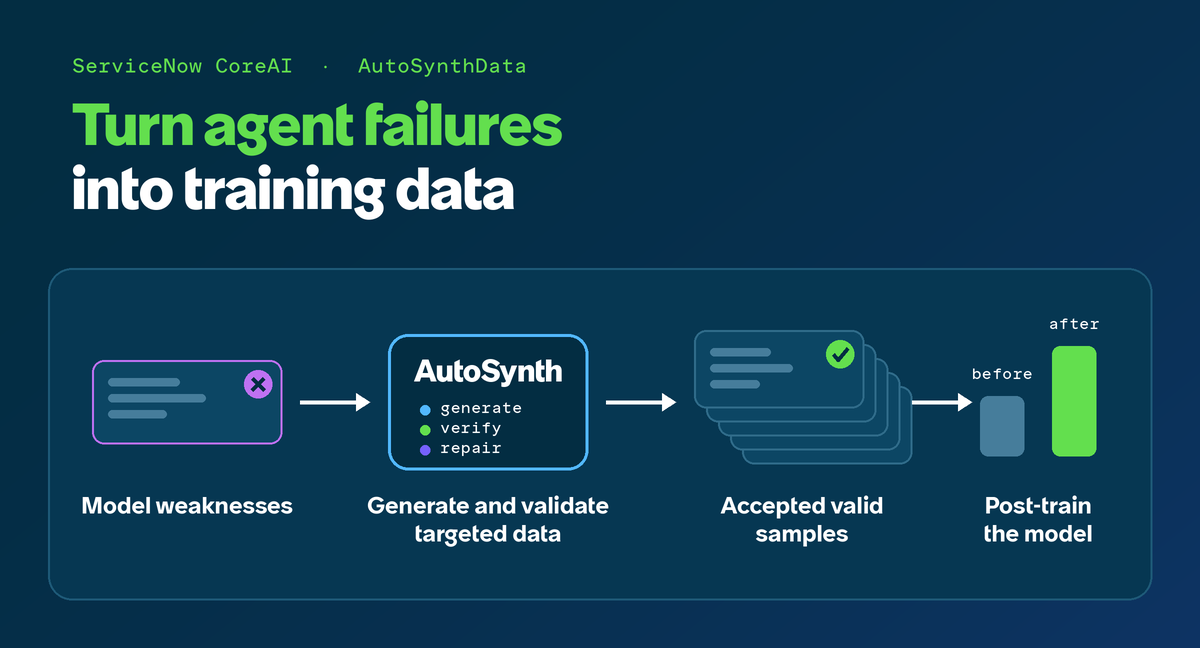
A Blog post by ServiceNow-AI on Hugging Face
“InstructMesh” can generate designs for everyday objects that are easy to edit and fabricate for both experts and newcomers to 3D modeling.
Proof of concept for watermarking AI-generated proteins while preserving biological function.
Algorithms & Theory
We use cookies to run the site and, with your consent, for analytics and to show ads. See our Cookie Policy.