MIT in the media: Innovating and educating for the next 250 years of America
During a "Washington Post Live" panel discussion with ASU President Michael Crow, President Sally Kornbluth explored how universities are preparing the next generation of scientists to lead in America’s rapidly changing technological landscape.
More from the blog

From Atari to EVE Online: Building on 15 Years of AI Research in Games
Google DeepMind partners with game studios to prototype breakthrough AI gameplay.

Paving the way for greener ammonia production
New MIT research could lead to better materials for a fossil-fuel-free process for making the chemical that's essential to fertilizer and other products.
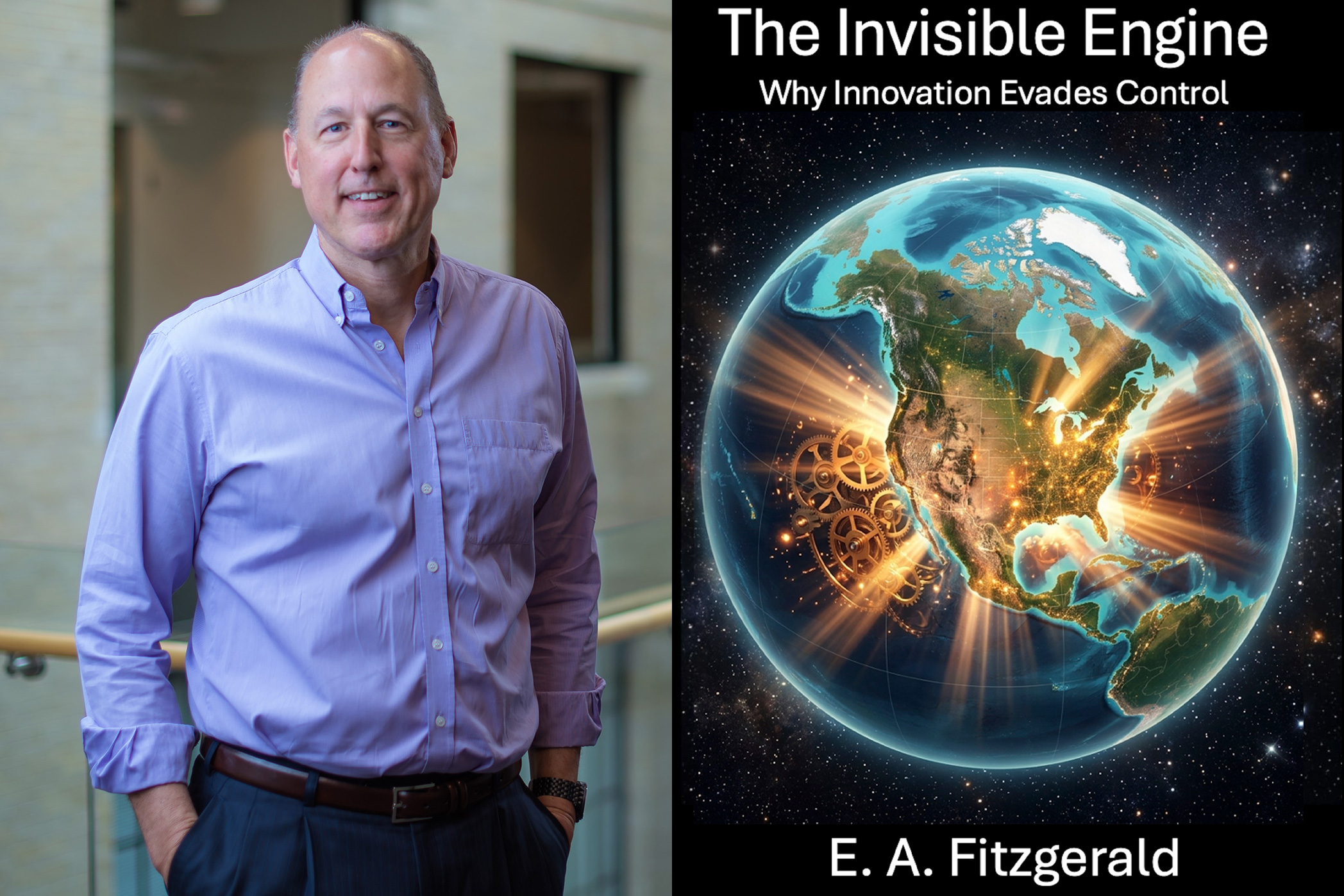
Q&A: Rethinking how innovation happens
In his latest book, Professor Eugene Fitzgerald examines the forces that turn breakthroughs into value — and why innovation resists simple formulas.
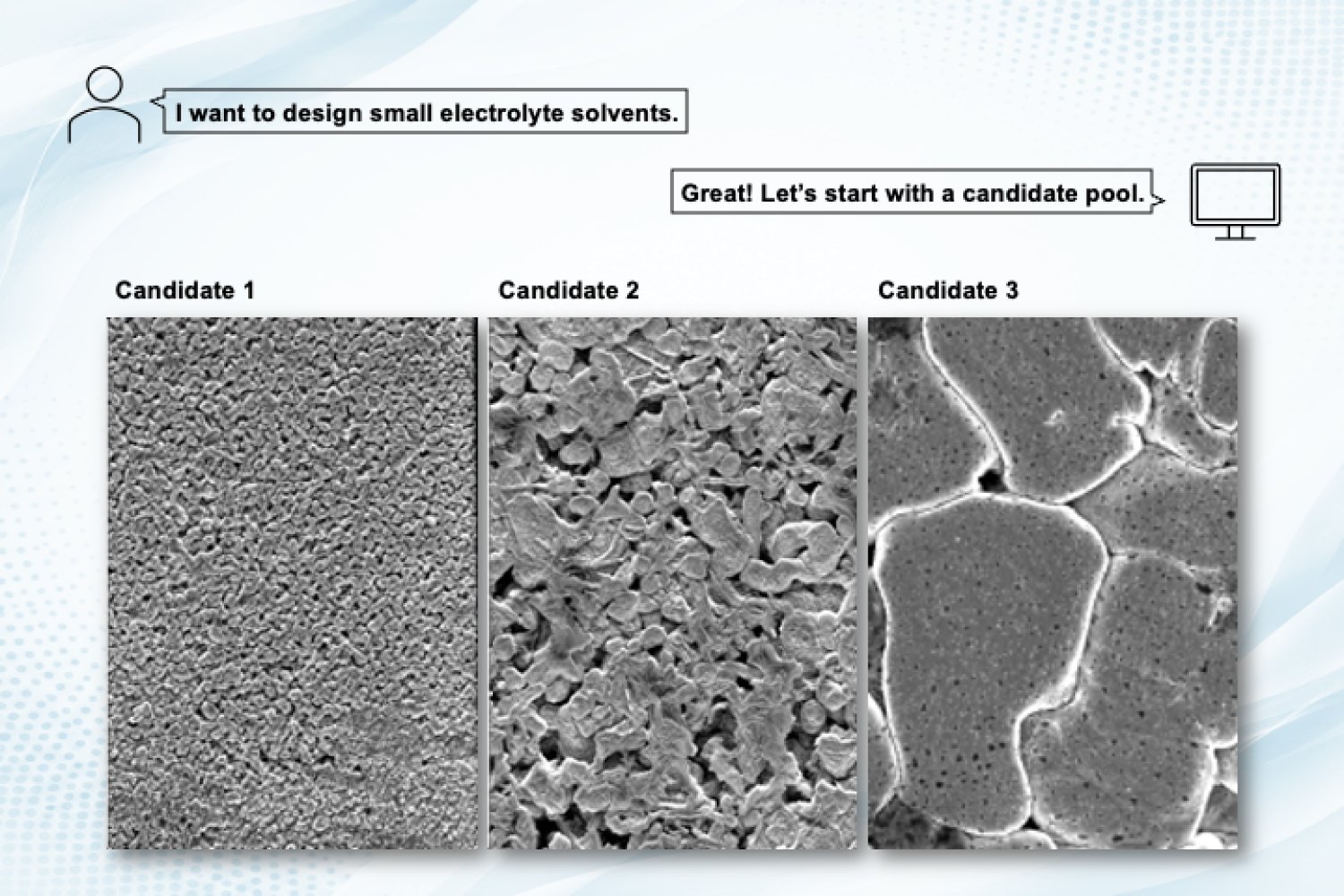
Solving the solvent problem
By focusing on electrolytes, MIT scientists are making sodium-metal batteries a more practical energy storage option.
Related papers
Unlocking non-model organisms with CRISPR-Cas: A roadmap for sustainable biotechnology.
It is concluded that bridging the gap between foundational CRISPR research and its real-world applications is imperative and future efforts should focus on democratizing tools via open-source platforms, advancing delivery systems, and fostering sustainable innovation through synthetic biology integration to fully realize the transformative potential of genome editing in organisms beyond model organisms.
Mutation-induced phenotypic plasticity drives formation of a pro-metastatic tumour-intrinsic niche
It is argued that formation of a tumour-intrinsic niche is a prerequisite for BRAF-mutant CRC seeding to distant organs and that interference with niche formation may help avoid metastatic relapse.
Application of Human Genome Editing Technologies in the Law of Certain States
This article is devoted to the legal regulation of the use of genomic editing technology in individual states. In general, it can be stated that in most legal systems there are restrictions on genomic editing in relation to hereditary genes, however, in rare cases exceptions are allowed, which must be recognized as justified in view of the reality of threats to human life and health. Using the method of comparative legal analysis, the author identifies the most optimal experience that can be useful to the domestic system of law-making on the way to forming legislation in the field of public health protection.