Aug 2026· Sheng wu gong cheng xue bao = Chinese journal of biotechnology· Vol 42 8, pp.
3437-3449
· 0 citations
Medicine
TL;DR
This paper focuses on the heterologous expression of functional genes via transgenic technology and explores the potential of gene editing technologies for heavy metal remediation, thereby offering a reference for future environmental remediation efforts and the development of related processes.
This review summarizes the current understanding of microbial–polymer interactions, including surface colonization, biofilm-mediated depolymerization, and intracellular uptake of degradation intermediates, and discusses recent developments in enzyme engineering, strain optimization employing the CRISPR method, and synt...
Overall, genetically engineered microorganisms represent a promising and sustainable solution for addressing the growing complexity of wastewater pollution when supported by robust regulatory oversight and biosafety measures.
Sadaf Zia, Manoranjan Bar· International Journal of Inn...· 0 citations
Understanding the physiological, biochemical, and rhizospheric processes involved in plant-mediated dye remediation provides valuable insight into phytoremediation as a sustainable strategy for mitigating dye pollution.
Z. M. Sani, Y. Muhammad· Discover Plants· 0 citations
Heavy metal contamination is a major environmental concern due to its persistence, bioaccumulation, and long-term impacts on ecosystems and human health. Among toxic metals, cadmium (Cd) and lead (Pb) are particularly harmful because of their high toxicity and carcinogenic potential, posing serious risks to plants, ani...
Arti, G. Yadav, Jyoti Mathur· International journal of phy...· 0 citations
Phytoremediation is a nature-based solution that utilizes plants’ ability to reduce, remove, or detoxify environmental contaminants. This study performed a comprehensive bibliometric analysis using the Scopus database from 2005 to 2025 to evaluate the 20-yr research progress and development of phytoremediation techno...
This review uniquely integrates conventional and advanced Actinobacteria based bioremediation strategies while critically discussing mechanistic pathways, recent technological developments, current limitations, and future prospects for sustainable remediation of contaminated agro ecosystems.
Vipul M. Bhinsara· Discover Environment· 0 citations
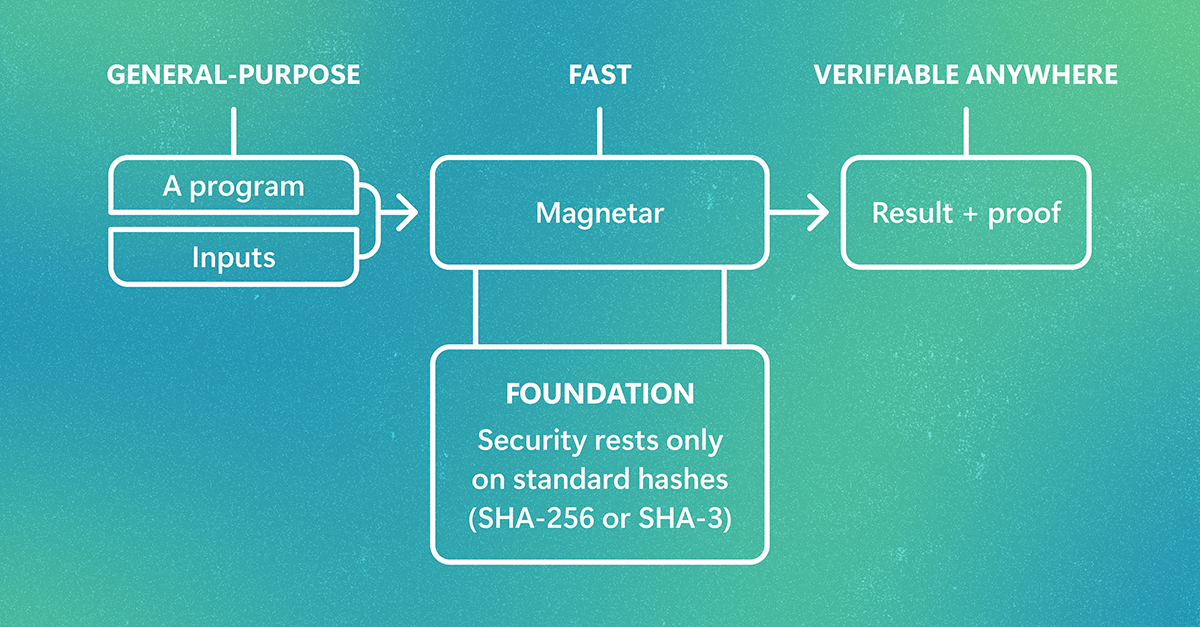
Zero-knowledge proofs can verify computing results without rerunning workloads or exposing sensitive data. Magnetar helps bring them into the mainstream with support for standard programming languages, major speed gains, and quantum-resistant security. The post Proof-based general-purpose computing with Magnetar appeared first on Microsoft Research.