Nov 2026· Journal of Clinical and Diagnostic Research· 0 citations
Abstract
Introduction: Physicians are facing many challenges in treating various bacterial and fungal infections due to obstacles such as resistance development, side-effects, patient affordability, etc. Gunja mentioned in Ayurvedic texts can be an ideal substitute for the treatment of various infectious diseases. Gunja is a well-known herbal semi-poisonous plant reported to contain various medicinal properties used in various formulations after a proper purification process. These formulations are indicated for preservation of health and cure of a variety of disease conditions Gunjadya Taila is one of the formulations prepared from Shuddha Gunja and other ingredients. This medicine is used topically in different dosage forms suited for the patient and the disease condition. In the current scientific work, the effect of Gunjadya Taila is assessed for antimicrobial effect on Staphylococcus aureus, Escherichia coli, Klebsiella pneumoniae and Candida albicans hence to evaluate both antifungal and antibacterial activity against gram-positive and gram-negative bacteria this study is undertaken.
Aim: To assess the antimicrobial activity of Gunjadya Taila.
Materials and Methods: In-vitro (antibacterial) study was carried out in JNMC, Sawangi (M), Wardha, Maharashtra, India. The duration of the study was from April 2022 to August 2023. The in-vitro antibacterial study of Gunjadya Taila was performed on three bacteria and one fungal strain. Gunjadya Taila was prepared in three batches in Laboratory of Rasashastra Department. The in-vitro antibacterial activity was evaluated by the Agar well diffusion method at 100 μL, 150 μL and 200 μL concentration and their results were compared with a broad spectrum and most commonly used antibiotic. The test for statistical analysis used was ANOVA at all three concentrations. The software used for statistical analysis was SPSS and 27.0 version. The set level of significant p-value was <0.05 for the antibacterial study.
Results: It is observed that Murchchhita and Amurchchhita Gunjadya Taila both sensitive against Staphylococcus aureus, E. coli and Candida albicans.
Conclusion: Gunjadya Taila shows antimicrobial activity against Staphylococcus aureus and Escherichia coli. It also shows limited antifungal activity against Candida albicans, although this was inferior to that of the positive control.

This publication proposes a definition and a classification of agile software development approaches and analyses ten software development methods that can be characterized as being "agile" against the defined criterion.
P. Abrahamsson, O. Salo, Jussi Ronkainen et al.· arXiv.org· 727 citations· ⚡54
The study shows that agile practices improve both informal and formal communication, but indicates that, in larger development situations involving multiple external stakeholders, a mismatch of adequate communication mechanisms can sometimes even hinder the communication.
M. Pikkarainen, Jukka Haikara, O. Salo et al.· Empirical Software Engineeri...· 401 citations· ⚡48
The results indicate that software engineering work practices are chosen opportunistically, adapted and configured to provide value under the constrains imposed by the startup context.
Nicolò Paternoster, Carmine Giardino, M. Unterkalmsteiner et al.· Information and Software Tec...· 394 citations· ⚡54
The results show that the embedded industry has been able to apply agile methods in its development processes and that the appreciation of the agile methods and their individual practices appears to increase once adopted and applied in practice.
O. Salo, P. Abrahamsson· IET Software· 238 citations· ⚡9
Consequences of happiness and unhappiness that are beneficial and detrimental for developers' mental well-being, the software development process, and the produced artifacts are found.
D. Graziotin, Fabian Fagerholm, Xiaofeng Wang et al.· Journal of Systems and Softw...· 236 citations· ⚡13
The Mobile-D approach is briefly outlined here and the experiences gained from four case studies are discussed, which helped develop an agile development approach for mobile application development.
P. Abrahamsson, Antti Hanhineva, H. Hulkko et al.· Conference on Object-Oriente...· 225 citations· ⚡18
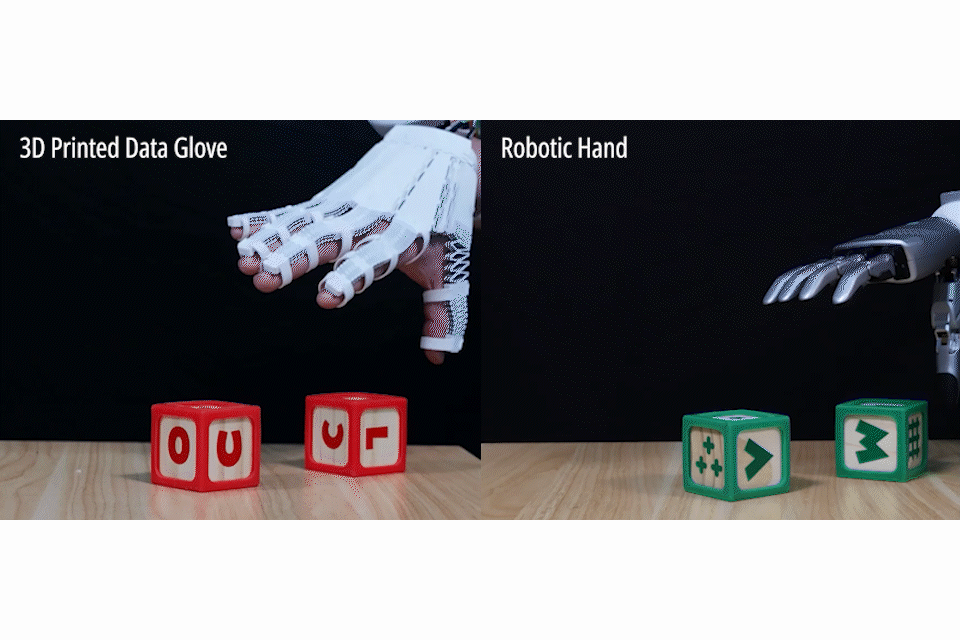
“X-Hinges” helps design and 3D print items like lamps and gloves with an interactive twist: automatically embedded sensors that perceive and adaptively respond to human contact.
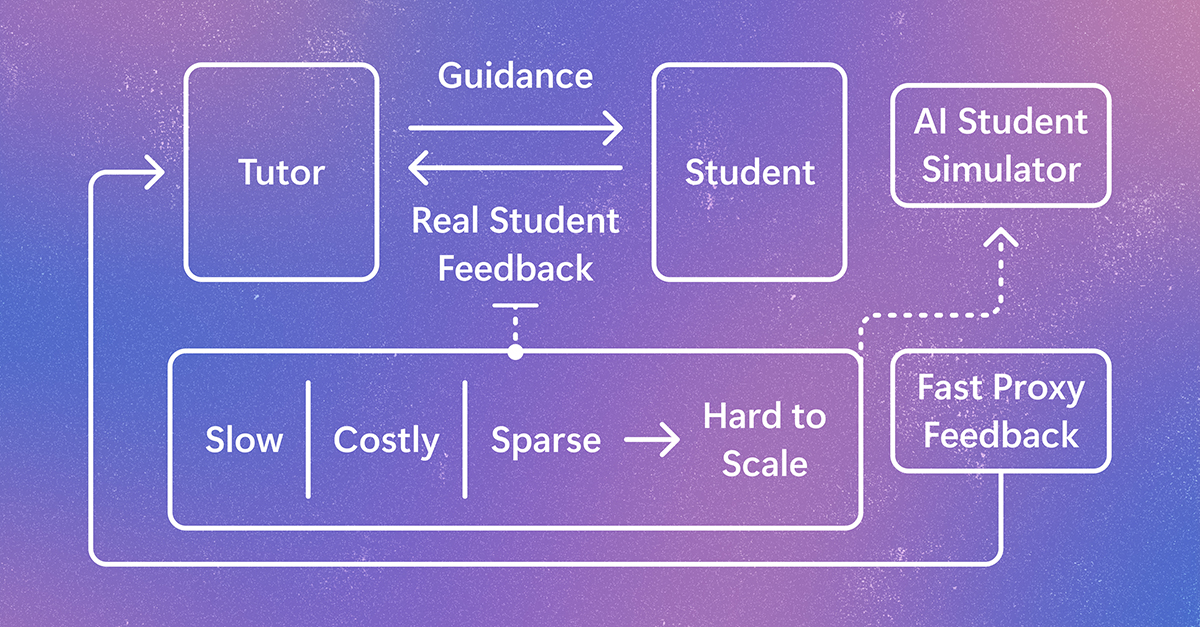
StudentSim is a research system for evaluating and improving AI tutoring tools before they are tested with learners. It models how individuals may engage with tutors, giving feedback to improve tutor performance across subjects like chess, writing, and mathematics. The post Simulating student learning for better AI tutoring appeared first on Microsoft Research.
We use cookies to run the site and, with your consent, for analytics and to show ads.
See our Cookie Policy.