Sep 2026· Plant, Cell and Environment· 0 citations· 7 references
Medicine
Abstract
This Opinion article argues that susceptibility gene editing is shifting from passive knockout to active design. We propose three strategies—targeting conserved host nodes, synergizing S gene knockout with R gene pyramiding and tailored precision editing—to achieve broad‐spectrum resistance without yield penalties.
Systematic comparison of Cas12i gene-editing tools in tomato identifies Cas-SF01 as the most efficient variant, achieving editing efficiencies comparable to conventional Cas9 at some genomic sites and providing a compact, highly specific, and versatile tool for studying gene function, engineering fruit metabolism, and...
Si-Qun Wu, Lei Zhu, Mei-Li Zhou et al.· Journal of Integrative Plant...· 0 citations
Allele-selective silencing offers a strategy to suppress pathogenic alleles in dominant genetic disorders but may alter total gene dosage when the remaining allele does not compensate. Wang et al.1 show that SNP-guided epigenetic repression of mutant alleles can elicit compensatory expression from non-targeted alleles,...
Antibiotic tolerance is an increasingly recognised contributor to treatment failure. Integrating genomics with laboratory evolution and functional screening has shifted emphasis from studying tolerance as a transient, non-heritable phenotype to recognising its genetic underpinnings. These approaches reveal pathways t...
In this issue of Cell Host & Microbe, Nishimoto et al. evolve S. pneumoniae under antibiotics and immune pressure, uncovering drug tolerance mutations, instead of resistance. Increased RNase activity depletes the RNA pool to avert lethal transcriptional collapse, preserving transcript fidelity and enabling a transcript...
João Pedro Teuber Carvalho, Daniel Schultz· Cell Host and Microbe· 0 citations
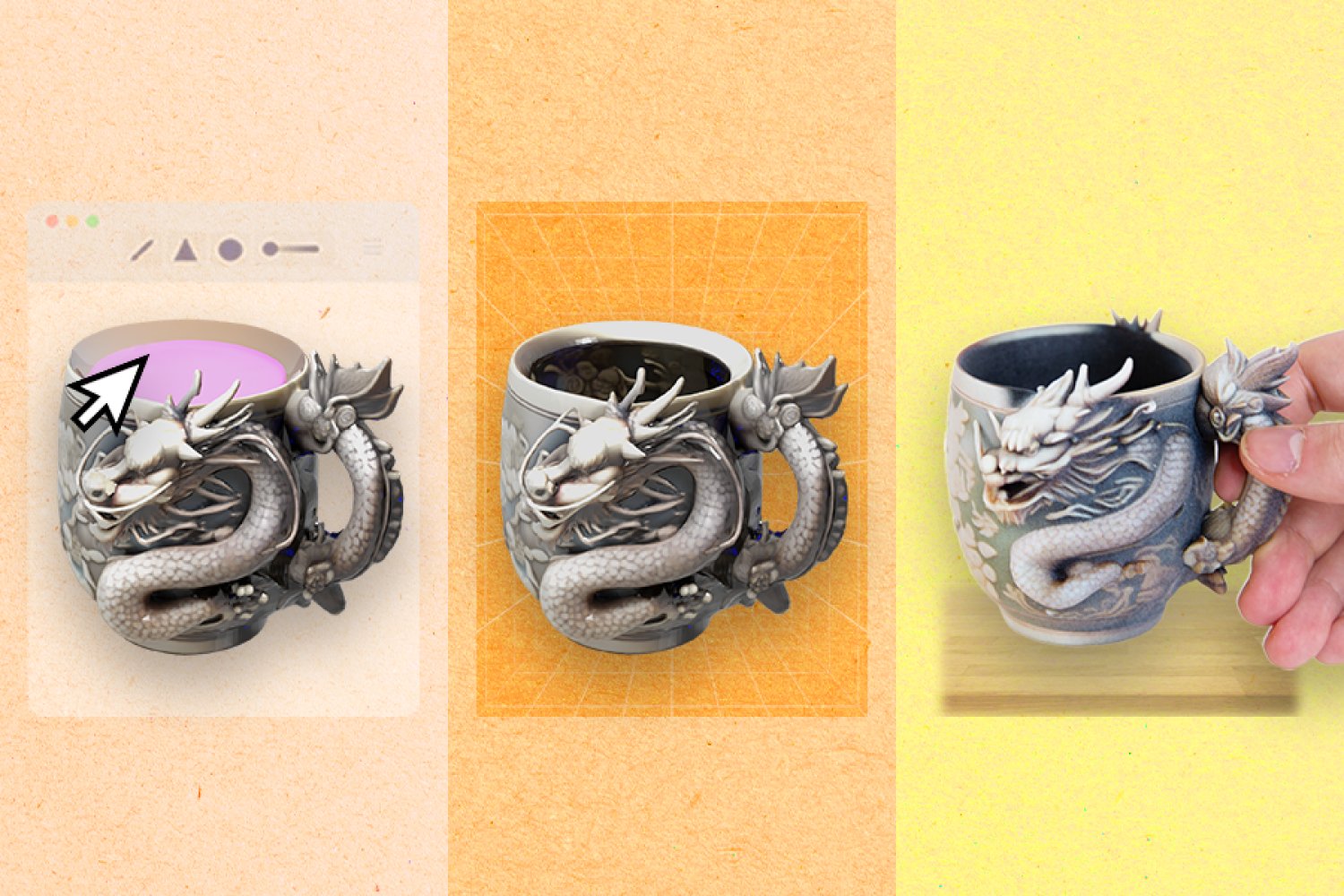
Exploring how generative AI could make machine vision more accessible to businesses. The post GenEye in a Box: Making Machine Vision Something You Can Just Ask For appeared first on GPT-Lab.