Sep 2026· Journal of Science and Technology - IUH· 0 citations
Supply Chain Resilience and Risk Management
TL;DR
The findings reveal that digital transformation positively and directly enhances organizational resilience, and a complementary relationship between learning and innovation is uncovered, highlighting their mutual reinforcement in strengthening firms’ ability to withstand disruption.
Abstract
In an increasingly turbulent and complex business environment, small and medium- sized enterprises (SMEs) in Vietnam encounter significant challenges from external disruptions, underscoring the necessity for strong adaptive and resilient capabilities. This study investigates the influence of digital transformation on organizational resilience, with particular attention to the mediating roles of organizational learning and innovation, and the moderating role of environmental dynamism. Data were collected from 477 SMEs located in major Vietnamese cities and analyzed using Partial Least Squares Structural Equation Modeling (PLS-SEM) in combination with T-Tests to examine the proposed hypotheses. The findings reveal that digital transformation positively and directly enhances organizational resilience. Furthermore, organizational learning and innovation act as vital mediators, channeling the benefits of digital transformation into resilience capacity. The study also uncovers a complementary relationship between learning and innovation, highlighting their mutual reinforcement in strengthening firms’ ability to withstand disruption. In addition, environmental dynamism intensifies the effect of digital transformation on learning and innovation, thereby indirectly consolidating resilience. Overall, the results not only advance theoretical understanding of the nexus between digital transformation and organizational resilience but also provide practical implications for managers on how to leverage digital transformation as a strategic resource to build resilience and foster sustainable growth in an increasingly competitive and uncertain marketplace.
This study is among the first to integrate innovation, agility, and digital resilience into a unified parallel mediation framework linking digital transformation to sustainable business growth, empirically validated in a multi-country Middle Eastern context.
Khodor Shatila· Journal of Entrepreneurship,...· 0 citations
It is suggested that digital transformation constitutes a key organizational capability through which entrepreneurial orientation strengthens resilience, and provides practical insights for managers seeking to enhance resilience through digital transformation.
Digital transformation among culinary MSMEs is primarily supported by entrepreneurs’ ability to identify opportunities, respond to environmental changes, and reconfigure resources, while organizational learning has not yet developed into a mechanism capable of strengthening this relationship.
The study contributes to the literature by showing that DL functions as an enabling strategic capability rather than merely as a managerial approach to technology adoption, suggesting that transferable digital leadership practices may support broader organizational transformation by strengthening the capabilities throu...
Abdulnasser Ali Altabouli, A. Çelebi· Sustainability· 0 citations
Investigation of the role of innovation capability in the relationship between digitalization and IES in Ghana demonstrates that digitalization exerts a significant direct effect on IES and strongly predicts innovation capability, which positively influences IES.
Anita Krobea Asante, Salami Abdul Mohammed, Juliet Acheampong· Journal of Management Resear...· 0 citations
An integrated framework combining the Technology-Organization-Environment (TOE) framework, the Technology Acceptance Model (TAM) and the Diffusion of Innovation (DOI) theory is developed to provide a more comprehensive explanation of digital transformation adoption in Vietnamese SMEs.
H. L. Do, Thị Bùi, Ngoc Minh Dang et al.· SN Business & Economics· 0 citations
Related blog posts
Microsoft Research Blog· microsoft.comNov 16, 2026
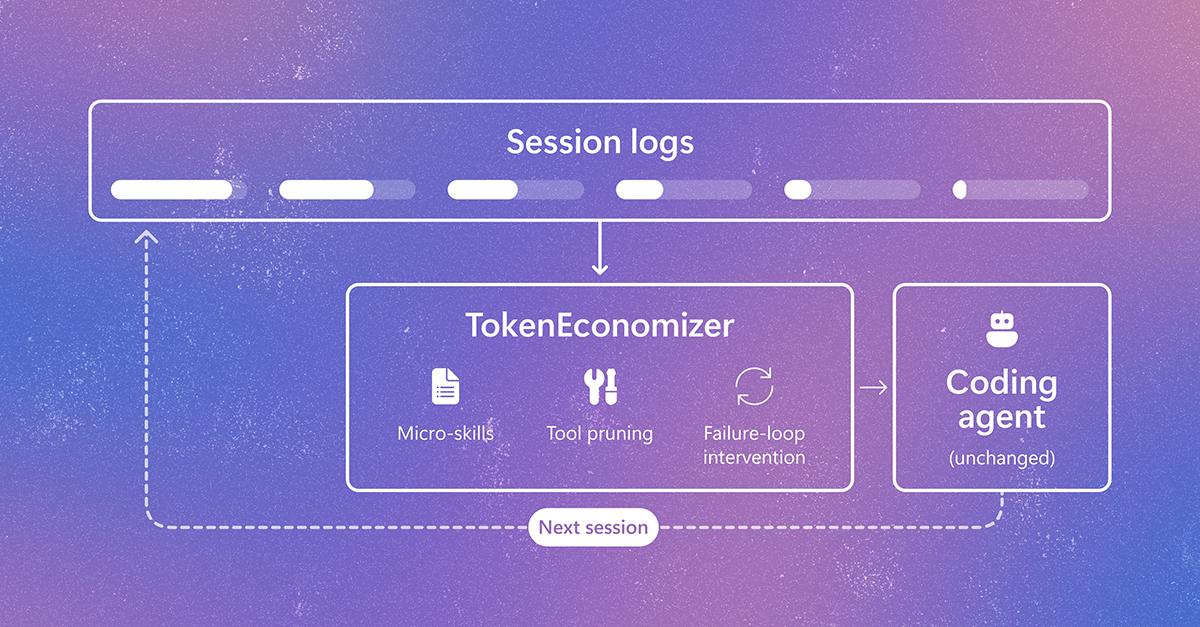
AI coding agents are increasingly help developers fix bugs and build features largely on their own, but every interaction with their models consumes tokens. In each session, an agent sends instructions, tool descriptions, and session history to its model. Most efforts to reduce this cost focus on individual tasks. Yet developers return to the same […] The post TokenEconomizer: Learning from Experience to Make AI Coding Agents More Efficient appeared first on Microsoft Research.
MIT News · Artificial Intelligence· news.mit.eduNov 9, 2026
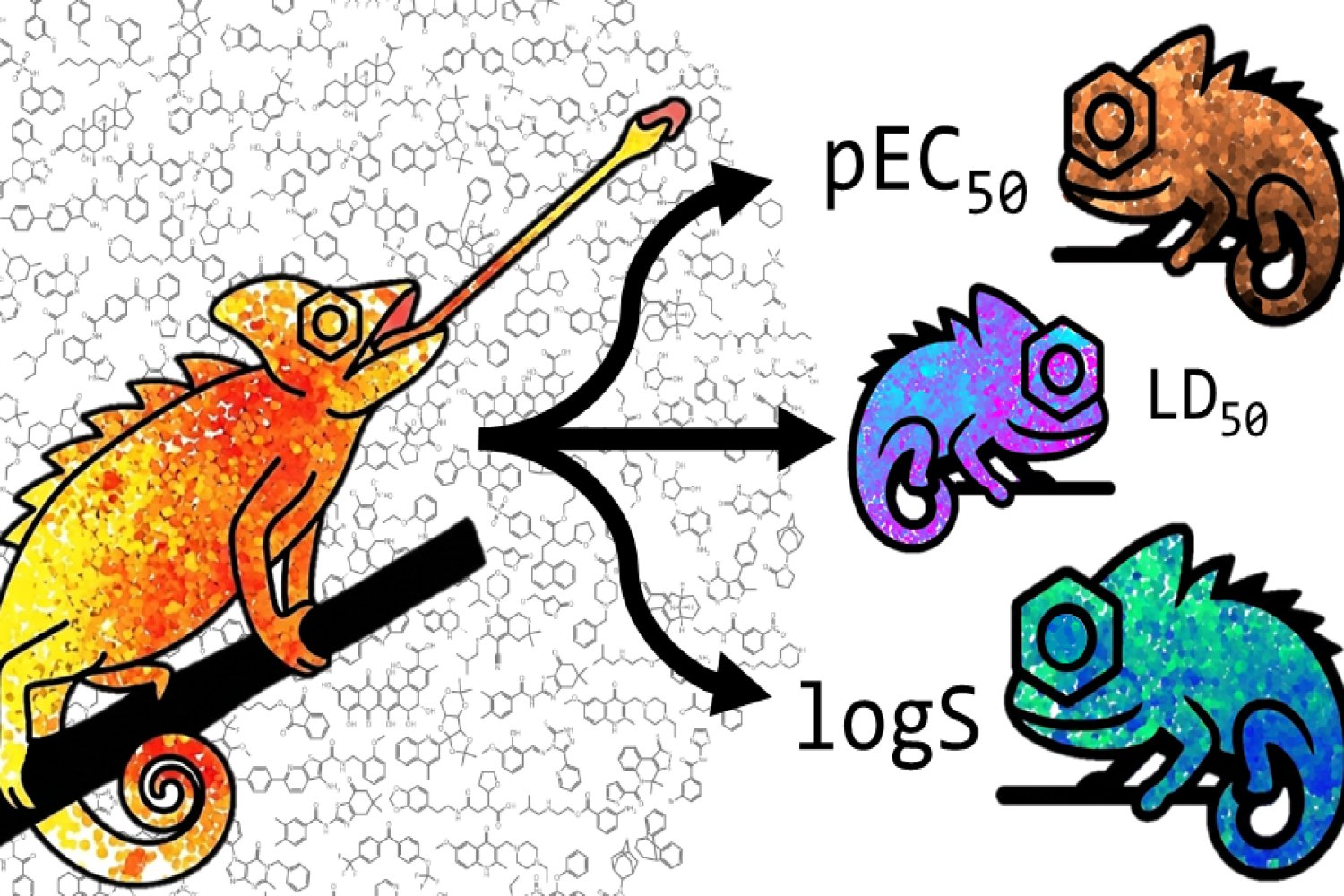
A machine-learning approach called CheMeleon provides a practical way to develop new drugs or other molecules with much less detailed, expensive experimentation.
We use cookies to run the site and, with your consent, for analytics and to show ads.
See our Cookie Policy.