AI Networking Cookbook: Practical recipes for AI-assisted network automation and development
Category
edge computing
2,752 papers
Scaling frustration index and balanced state discovery for real signed graphs
An efficient, balanced state discovery heuristic algorithm that will discover the nearest balanced state for any size of the graph network and approximate the frustration of the network is proposed.
A hierarchical federated learning approach based on cloud-fog-edge computing architecture for distributed smart manufacturing systems
Artificial Intelligence for Real-Time Cyber Threat Classification and Emerging Threat Detection: A Structured Review of Methods, Datasets, Challenges, and Research Directions
The reviewed literature indicates that AI-based methodologies often demonstrate superior detection capabilities for intricate and previously unseen attack patterns compared to traditional methods; however, direct performance comparisons are complicated due to discrepancies in datasets, experimental designs, and evaluat...
Reach audiences
Advertise in front of researchers, engineers, and readers.
From tech blogs
See all →AI model decodes the language cells use to communicate
A new computational approach reveals how cells communicate to assemble into tissues. This could accelerate stem cell engineering, improve disease models, and inform therapies.
Proof-based general-purpose computing with Magnetar
Zero-knowledge proofs can verify computing results without rerunning workloads or exposing sensitive data. Magnetar helps bring them into the mainstream with support for standard programming languages, major speed gains, and quantum-resistant security. The post Proof-based general-purpose computing with Magnetar appeared first on Microsoft Research.
Using AI to mitigate the growing environmental threat of data centers
By rethinking how large cloud computing systems operate, Associate Professor Christina Delimitrou seeks to make data centers more energy efficient.
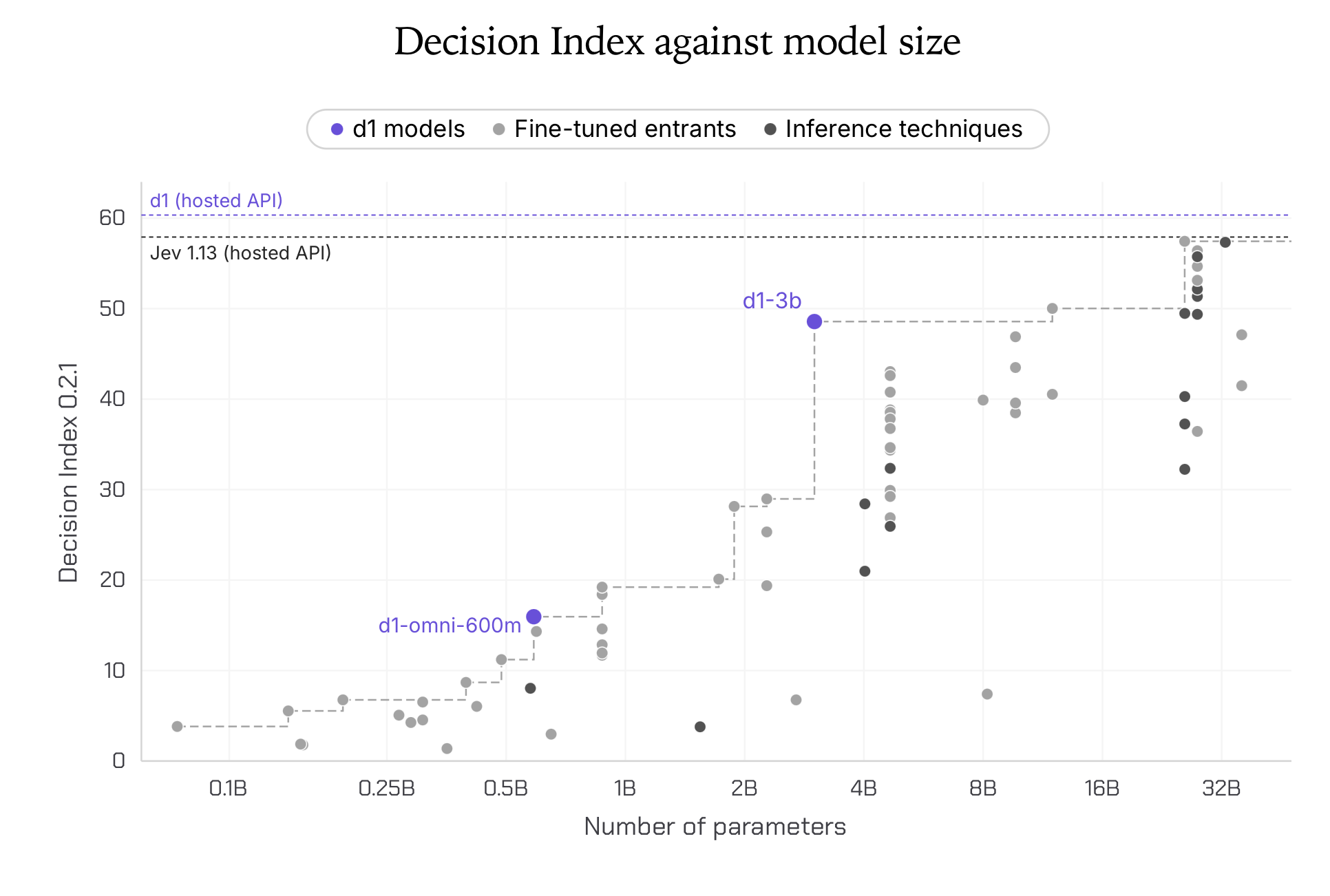
Multimodal open d1 decision models for the edge
A Blog post by Liquid AI on Hugging Face
Supercomputing researchers document evolution of AI hardware
An ongoing survey tracks the latest AI accelerator systems to keep hardware relevant for Lincoln Laboratory staff and sponsors.
What AI gets wrong and what failure teaches us
Jennifer Neville did not want to go into computer science—but that’s exactly where she landed. Neville discusses the starts and stops that led to her professional sweet spot and her work identifying “surprising failures” making it hard for AI to handle complexity. The post What AI gets wrong and what failure teaches us appeared first on Microsoft Research.