
How to Use NVIDIA Warp and MjWarp to Accelerate Robotics Simulation and Learning Workflows
More from the blog
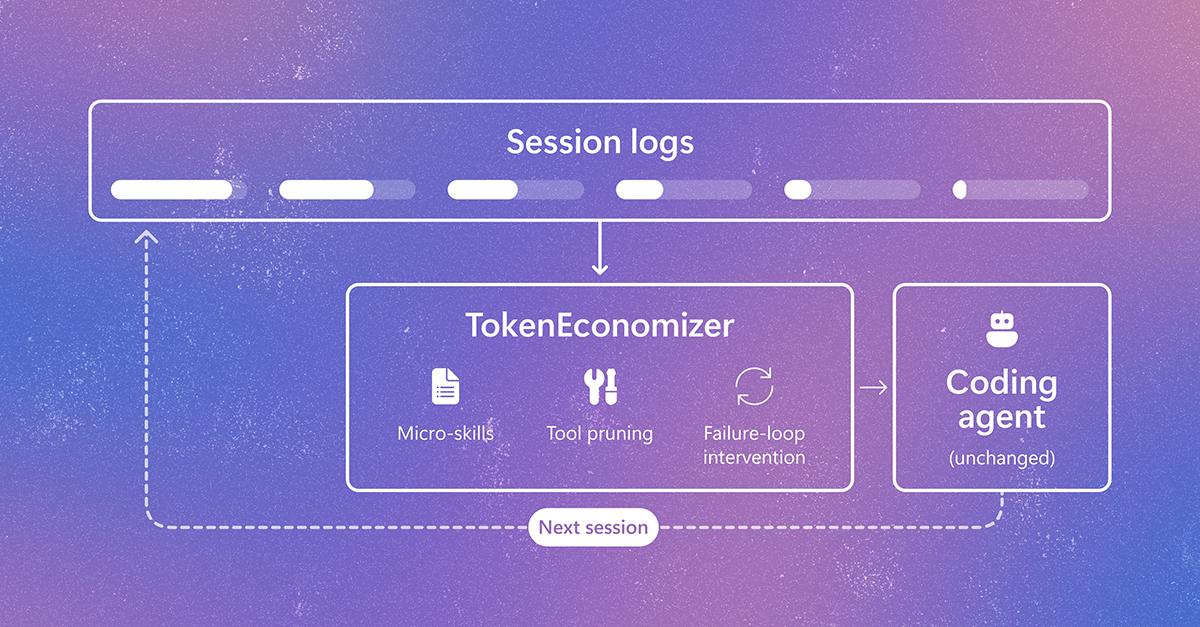
TokenEconomizer: Learning from Experience to Make AI Coding Agents More Efficient
AI coding agents are increasingly help developers fix bugs and build features largely on their own, but every interaction with their models consumes tokens. In each session, an agent sends instructions, tool descriptions, and session history to its model. Most efforts to reduce this cost focus on individual tasks. Yet developers return to the same […] The post TokenEconomizer: Learning from Experience to Make AI Coding Agents More Efficient appeared first on Microsoft Research.
Build a Robot Pick-and-Place Simulation with SimReady Assets
A Blog post by NVIDIA on Hugging Face
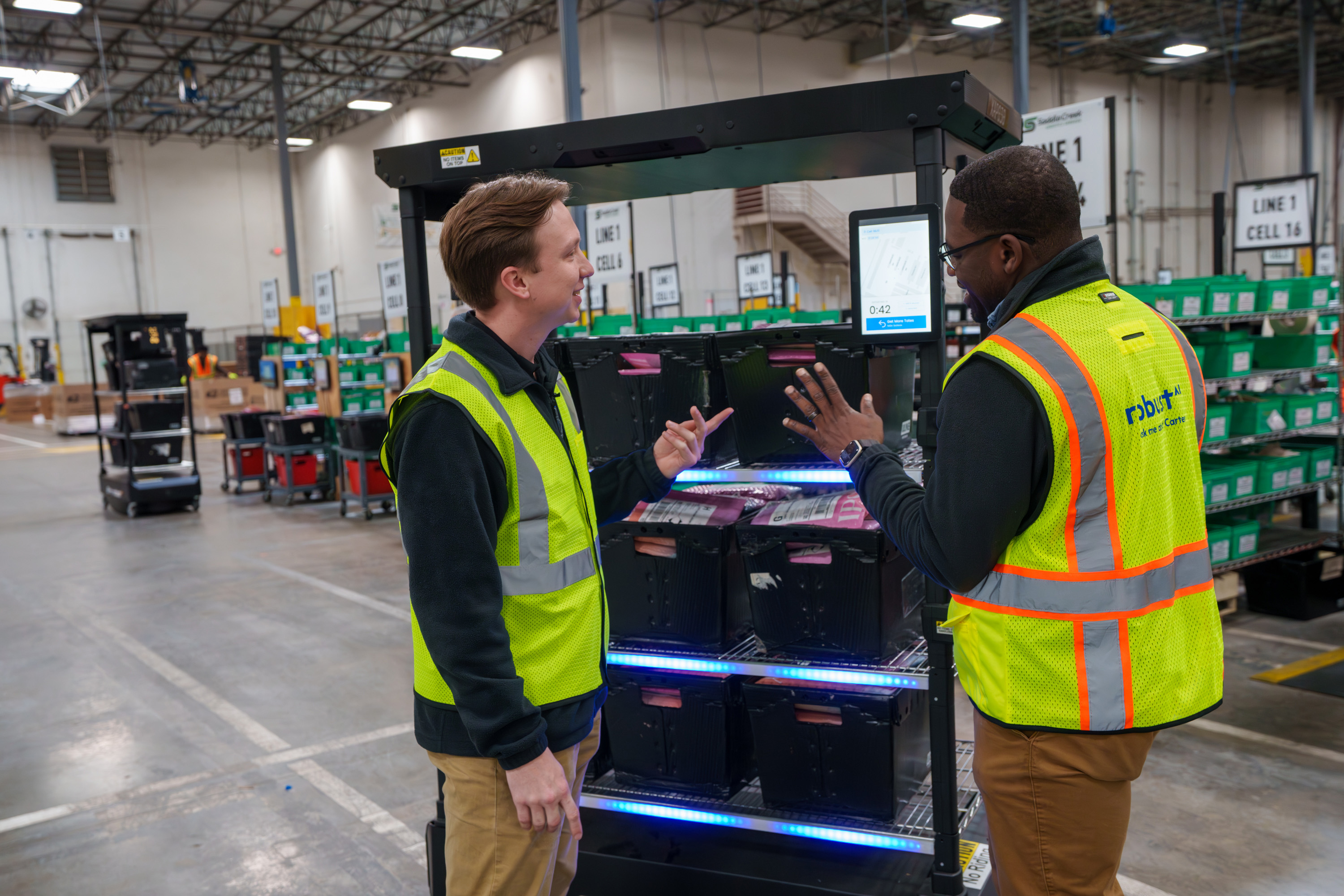
Helping robots fit into the human workplace
Founded by Anthony Jules ’92, SM ’92 and Professor Emeritus Rodney Brooks, Robust AI’s robots are designed to collaborate with humans in factories and warehouses.

Introducing Gemini 4 Hydrogen
Today, we’re introducing Gemini 4 Hydrogen, our daily driver for agentic workflows
Related papers
Exploring the Landscape of Cloud Robotics: A Comprehensive Review
Cloud robotics is an innovative field that leverages cloud technologies-including cloud computing (CC), cloud storage, deep learning, big data, and the Internet of Things to augment the capabilities of robotics. This integration facilitates the execution of robotic functions through a converged infrastructure and share...
Software development in startup companies: A systematic mapping study
The results indicate that software engineering work practices are chosen opportunistically, adapted and configured to provide value under the constrains imposed by the startup context.
Why Early-Stage Software Startups Fail: A Behavioral Framework
This state-of-practice investigation was performed using a literature review followed by a multiple-case study approach and presents how inconsistency between managerial strategies and execution can lead to failure by means of a behavioral framework.
“Failures” to be celebrated: an analysis of major pivots of software startups
This study conducts a case survey study based on the secondary data of the major pivots happened in 49 software startups, and demonstrates that customer need pivot is the most common among all pivot types.