
3 Questions: What is the best path forward for AI in academia?
MIT Statistics and Data Science Center Director Alexander (Sasha) Rakhlin shares important considerations for departments and institutions.
More from the blog
Discovering the value of humanistic inquiry
Students in MIT’s Concourse program delve deeply into the human condition, debate challenging questions, and learn to develop judgment about issues that can’t be quantified.
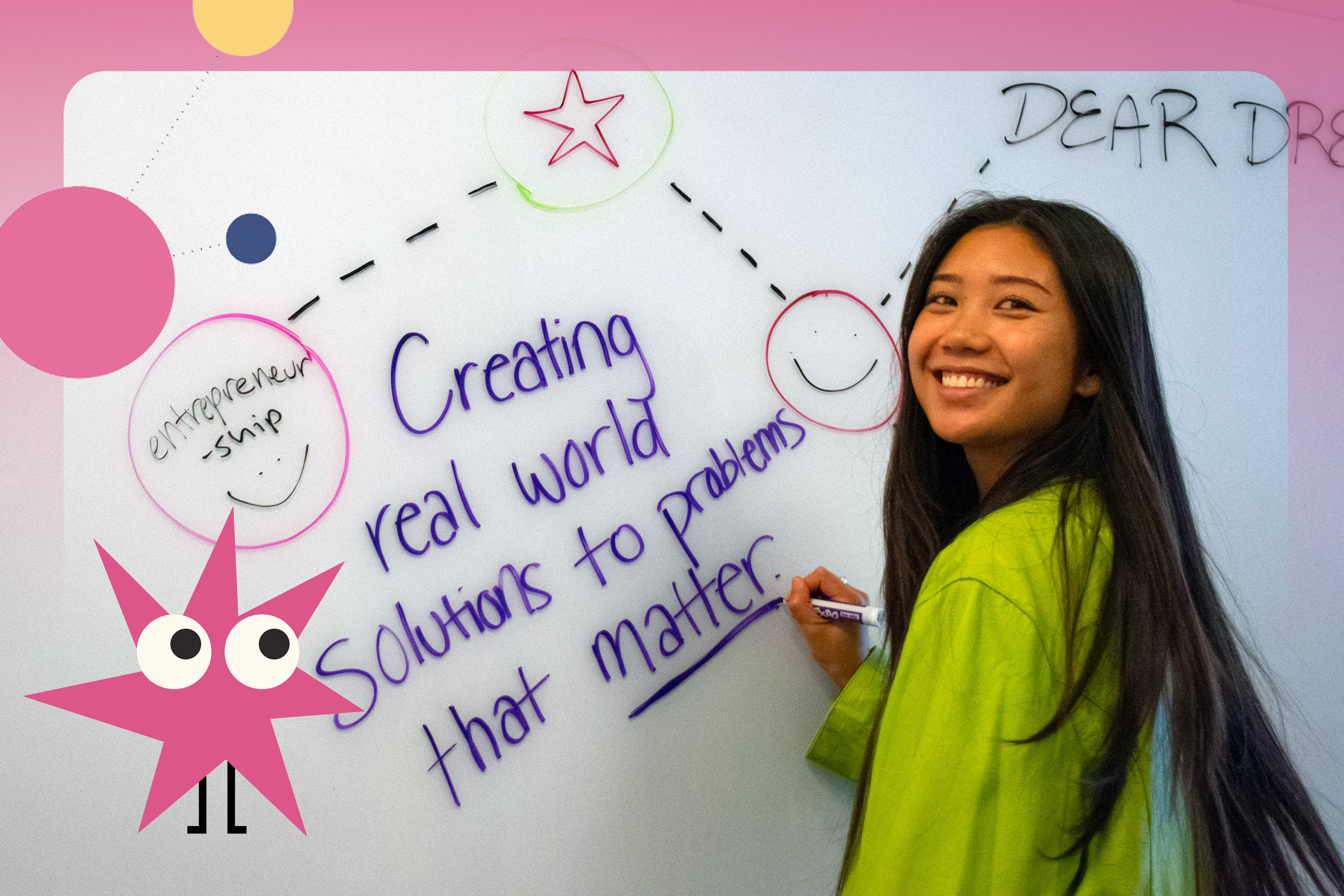
3 Questions: A new resource to empower young entrepreneurs
Martin Trust Center Managing Director Bill Aulet introduces Dear Dreamer, a free platform for middle and high school students who want to learn about entrepreneurship.

One year in: How Microsoft Research Asia – Singapore is advancing research, partnership and talent for real-world impact
Since launching a year ago, the Microsoft Research Asia — Singapore lab has established a strong foundation, deepened collaboration across government, academia, and industry, and explored how frontier AI research can create real-world value. The post One year in: How Microsoft Research Asia – Singapore is advancing research, partnership and talent for real-world impact appeared first on Microsoft Research.

 GPT-Lab
· gpt-lab.eu
Sep 23, 2026
GPT-Lab
· gpt-lab.eu
Sep 23, 2026
Requirements Don’t Live in Isolation: What We’re Exploring with Req-Space
Requirements in large systems rarely exist in isolation. Their meaning depends on the wider project context - other requirements, policies, decisions, tests, and implementation details. That becomes especially important when AI is used for review, because spotting a possible conflict or gap is only the beginning. ReqSpace explores how AI, visualisation, and connected project context can help reviewers understand those findings, trace the relationships behind them, and focus on the questions that…
Related papers
ECCOLA - a Method for Implementing Ethically Aligned AI Systems
The method, ECCOLA, is presented, which aims at making the high-level AI ethics principles more practical, making it possible for developers to more easily implement them in practice.
AI-powered Code Review with LLMs: Early Results
The goal is to not only refine the accuracy of the LLM-based tool but also to underscore its potential in streamlining the software development lifecycle through proactive code improvement and education.
LLM-based agents for automating the enhancement of user story quality: An early report
The use of large language models to automatically improve the user story quality in Austrian Post Group IT agile teams is explored, with a reference model for an Autonomous LLM-based Agent System developed and implemented at the company.
System for systematic literature review using multiple AI agents: Concept and an empirical evaluation
This paper introduces a novel multi-AI-agent system designed to fully automate SLRs, and demonstrates how it substantially reduces the time and effort traditionally required for SLRs while maintaining comprehensiveness and precision.