

One year in: How Microsoft Research Asia – Singapore is advancing research, partnership and talent for real-world impact
Since launching a year ago, the Microsoft Research Asia — Singapore lab has established a strong foundation, deepened collaboration across government, academia, and industry, and explored how frontier AI research can create real-world value. The post One year in: How Microsoft Research Asia – Singapore is advancing research, partnership and talent for real-world impact appeared first on Microsoft Research.
More from the blog
Documenting the tech worker movement
Writing as a participant and researcher, PhD student JS Tan SM ’22 has co-authored a new book about the rise of tech worker protests and the employer backlash that followed.
 GPT-Lab
· gpt-lab.eu
Oct 1, 2026
GPT-Lab
· gpt-lab.eu
Oct 1, 2026
Zotero Tutorialero
Zotero is a powerful open source reference manager that looks complicated at first, but is worth configuring properly once with plugins. This tutorial is aimed especially at researchers and doctoral students who want to use Zotero to manage literature and want a more efficient workflow. The post Zotero Tutorialero appeared first on GPT-Lab.

Gemini 4 Argon: our next era of frontier intelligence
Announcing Gemini 4 Argon, our frontier model for real-world coding, enterprise knowledge work and cyber defense, rolling out soon.
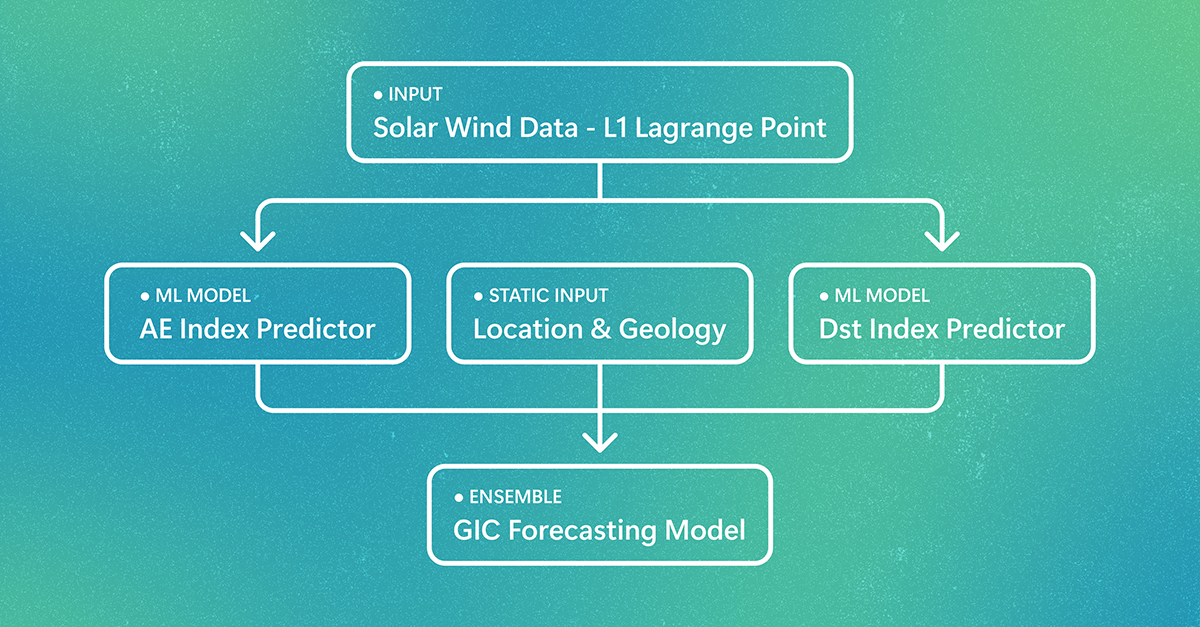
Forecasting space weather risks on power grids
Extreme space-weather events can damage power systems on Earth and degrade GPS accuracy and satellite operations. A new machine learning system can predict where damage is likely to occur 30-60 minutes before a storm arrives. The post Forecasting space weather risks on power grids appeared first on Microsoft Research.
Related papers
ECCOLA - a Method for Implementing Ethically Aligned AI Systems
The method, ECCOLA, is presented, which aims at making the high-level AI ethics principles more practical, making it possible for developers to more easily implement them in practice.
AI-powered Code Review with LLMs: Early Results
The goal is to not only refine the accuracy of the LLM-based tool but also to underscore its potential in streamlining the software development lifecycle through proactive code improvement and education.
LLM-based agents for automating the enhancement of user story quality: An early report
The use of large language models to automatically improve the user story quality in Austrian Post Group IT agile teams is explored, with a reference model for an Autonomous LLM-based Agent System developed and implemented at the company.
System for systematic literature review using multiple AI agents: Concept and an empirical evaluation
This paper introduces a novel multi-AI-agent system designed to fully automate SLRs, and demonstrates how it substantially reduces the time and effort traditionally required for SLRs while maintaining comprehensiveness and precision.