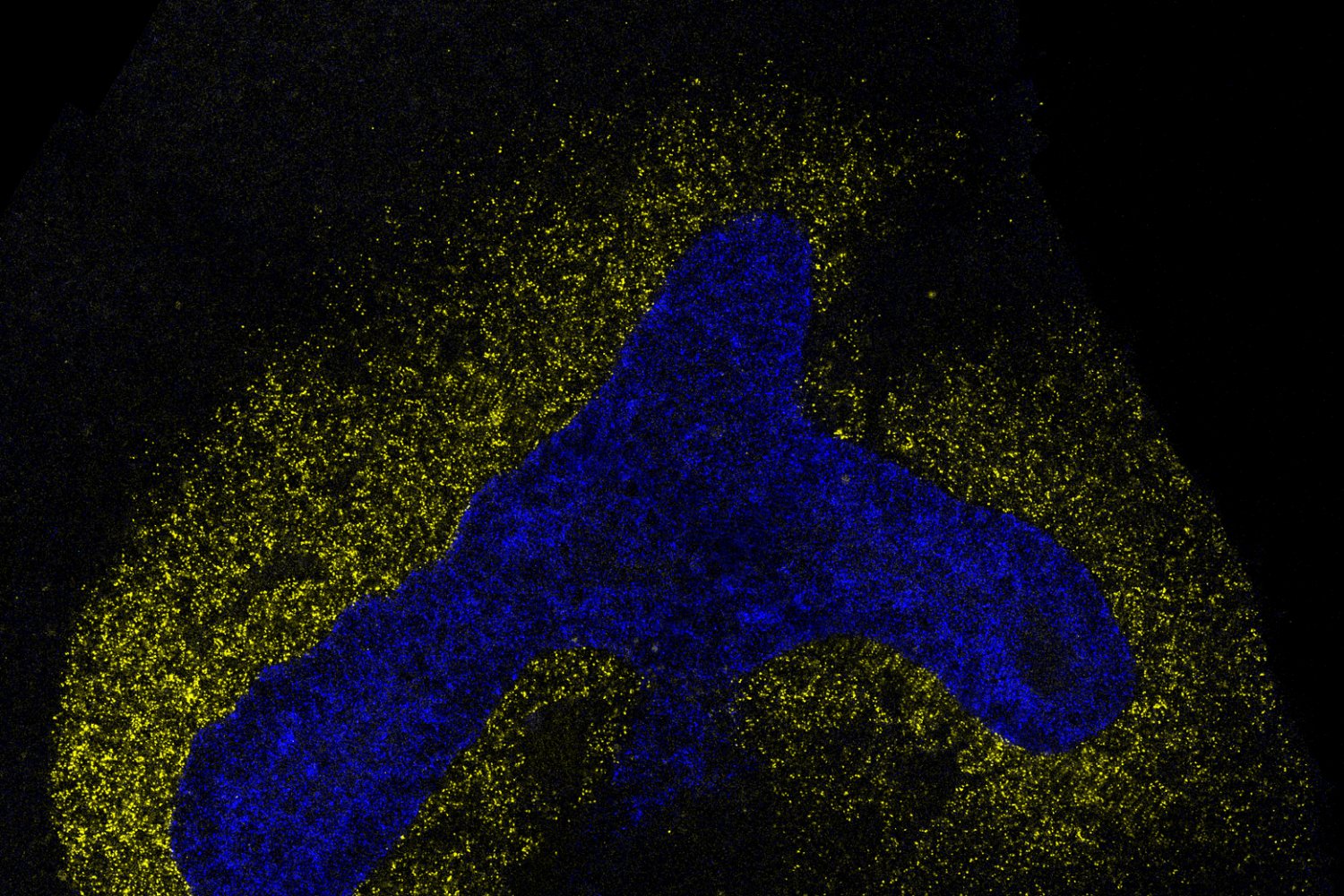
Thiol-based redox switches utilize the unique nucleophilicity of cysteine and selenocysteine to dynamically link real-time cellular redox fluctuations to metabolic regulation and signaling pathways. Capturing the precise atomic-level thermodynamic and kinetic mechanisms driving these oxidative modifications has long been limited by the chemical instability of transient intermediates and the immense computational costs of classical molecular dynamics simulations. However, recent advancements in chemoselective small-molecule probes now allow for the high-purity trapping and enrichment of specific sulfenic and sulfinic acid states. In parallel, a paradigm shift toward machine learning, graph neural networks, and protein language models has bypassed traditional computational bottlenecks, enabling high-throughput, proteome-wide predictions of redox switches in seconds. Furthermore, emerging data reveal that these redox modifications do not merely alter well-structured proteins, but actively dictate conditional folding transitions and structural transformations within intrinsically disordered proteins and biomolecular condensates. Here, we provide a comparative overview of these dual experimental and computational advancements and highlight how the integration of generative diffusion models could facilitate the real-time simulation of conditional, multi-state structural ensembles across the redox proteome.

FLARE is proposed, a novel framework that endows VLAs with robust error recovery capabilities through a ``Retry" and ``Reset" Paradigm, and significantly improves task success and robustness.
Ganlong Zhao, Zijia Tang, Xingping Chen et al.· 3 citations
This study constructed a pH-responsive P-TN/SF@Fe-Cur composite coating that demonstrated significant anti-infective, anti-inflammatory, antioxidant, pro-angiogenic, and pro-osteogenic effects in rat subcutaneous infection and femoral defect models.
LifeSciBench is introduced, a benchmark of 750 expert-authored tasks designed to evaluate whether language models can handle realistic life science research work, with each constituent task paired with a human expert-written rubric.
Amelia Liu, Andrew Ho, Anne Marie Droste et al.· bioRxiv· 2 citations
TestifAI, a deep learning testing framework for efficient and accurate estimation of robustness against combinations of perturbations, is proposed and partial model tomography is introduced, a novel approach to reconstructing model behaviour in a multi-perturbation space from tests that apply only a small number of perturbations.
Arooj Arif, T. Hartung, E. Botoeva et al.· 1 citation
Due to its importance and wide adoption, wheat cultivation is promptly required to shift towards sustainable practices, reducing the dependency on chemical components. Among bio-based solutions aimed at securing the sustainability of wheat cultivation, biostimulants offer a versatile platform of eco-friendly tools assuring sustainability and profitability. Microalgae present a concrete example of a biostimulant source due to their richness in metabolites and high value products. Therefore, this study evaluated the biostimulant potential of eleven eco-extracts prepared from soil-isolated microalgae strains. Eco-extracts applied via soil drench at low dose (0.1 g/L) were investigated for their biostimulant effects on wheat growth, physiology, yield, and quality under controlled conditions. Results demonstrated significant ameliorations in treated plants as compared to the control, with no phytoinhibitory effects. Remarkable enhancements were notable in growth parameters such as shoot and root lengths (+40-70%), physiological traits such as total chlorophyll and stomatal conductance (+7-52%), yield components in the example of grain number per spike and thousand grain weight (+17-103%), and grain quality namely protein and polyphenol content (+2-fold to 4-fold). Similarly, phosphorus accumulation and uptake were significantly improved, while soil physicochemical status was ameliorated, indicating enhanced fertility. Multivariate analysis and composite index ranking marked Chlorella sp. GA18, Chlorella sp. GA65, Scenedesmus sp. GA69, and Chlorococcum sp. GA63 as eco-extracts with consistent performances across all plant traits. These findings highlighted the promising potential of integrating microalgae-based eco-friendly extracts in sustainable wheat cultivation.
Amer Chabili, Z. Hakkoum, F. Minaoui et al.· Plant Science· 1 citation
ProteinReasoner is developed, a multimodal generative protein foundation model that sequentially connects amino acid sequence, evolutionary constraints and three-dimensional structure within a shared autoregressive architecture and suggests a general route towards reasoning across interdependent representations in other scientific domains.
Chaozhong Liu, Linlin Chao, Shaomin Ji et al.· bioRxiv· 1 citation
A new method for surgically removing training examples from a model reveals that as datasets grow, the link between what a model learns and what it produces dissolves.