Skip to content
#edge computing Open access

Biochemical Profiling and Ecotoxicological Assessment of Prunus spinosa L. Fruits from the Cluj Region: Phytochemical Composition, Contaminant Load, and Antioxidant Potential

Sep 2026 · Foods
Phytochemicals and Antioxidant Activities

Abstract

Prunus spinosa L. (blackthorn) is a widely distributed wild fruit species in Romania with considerable, yet underexplored, potential as a functional food ingredient and natural source of bioactive compounds. This study aimed to characterize the phytochemical composition, mineral and contaminant profiles, and antioxidant capacity of P. spinosa fruits collected from five sites in the Cluj region with contrasting land-use conditions (forest-edge, rural, suburban, and roadside). Fruits were harvested in three sampling campaigns (October 2018, October 2019, and November 2019). Analytical determinations included total polyphenol content, antioxidant capacity, fatty acid methyl esters (FAMEs), dietary fibers, chlorophyll, water content, polycyclic aromatic hydrocarbons (PAHs, 15 congeners), and metal concentrations (ICP-OES/MS). A composite Ecotoxic Pressure Index (EPI) integrating metal and PAH data was computed per site. Total polyphenol content ranged from 124 to 1172 mg GAE·kg−1 DW, while antioxidant capacity ranged from 116 and 1184 µg AAE·mg−1. One-way ANOVA revealed significant location effects on Cu, Zn, Mn, Ca, Mg, Na and K (p < 0.05). PCA (65–70% explained variance) discriminated rural/forest-edge samples (high polyphenols, low EPI) from urban/roadside samples (elevated metals and PAHs). Multiple linear regression demonstrated that polyphenols were the dominant positive predictor of antioxidant capacity (β = +0.78, p < 0.001), while Fe and total PAHs were inversely associated with antioxidant capacity (β = −0.31 and −0.28, respectively; R2 = 0.80). The observed biochemical and contaminant profiles varied according to geographical origin and land-use context, although these associations cannot be attributed exclusively to pollution exposure. Rural and forest-edge samples showed favorable descriptive profiles for several bioactive parameters, but further controlled studies are required before site-specific superiority for functional food applications can be established.

View source

Similar papers

#computer vision Review Sep 2017

Agile Software Development Methods: Review and Analysis

This publication proposes a definition and a classification of agile software development approaches and analyses ten software development methods that can be characterized as being "agile" against the defined criterion.

P. Abrahamsson, O. Salo, Jussi Ronkainen et al. · 727 citations · ⚡54
#computer vision Jun 2008

The impact of agile practices on communication in software development

The study shows that agile practices improve both informal and formal communication, but indicates that, in larger development situations involving multiple external stakeholders, a mismatch of adequate communication mechanisms can sometimes even hinder the communication.

M. Pikkarainen, Jukka Haikara, O. Salo et al. · 401 citations · ⚡48
#machine learning Review Open access Oct 2014

Software development in startup companies: A systematic mapping study

The results indicate that software engineering work practices are chosen opportunistically, adapted and configured to provide value under the constrains imposed by the startup context.

Nicolò Paternoster, Carmine Giardino, M. Unterkalmsteiner et al. · 394 citations · ⚡54

Related blog posts

GPT-Lab Sep 17, 2026

Beyond Prompt Engineering: The Role of Tacit Knowledge in Software Engineering

AI is making software generation faster, but speed does not remove the need for expertise. As more work is delegated to AI, tacit knowledge may become one of the most important human advantages in software engineering. The post Beyond Prompt Engineering: The Role of Tacit Knowledge in Software Engineering appeared first on GPT-Lab.

Microsoft Research Blog Aug 31, 2026

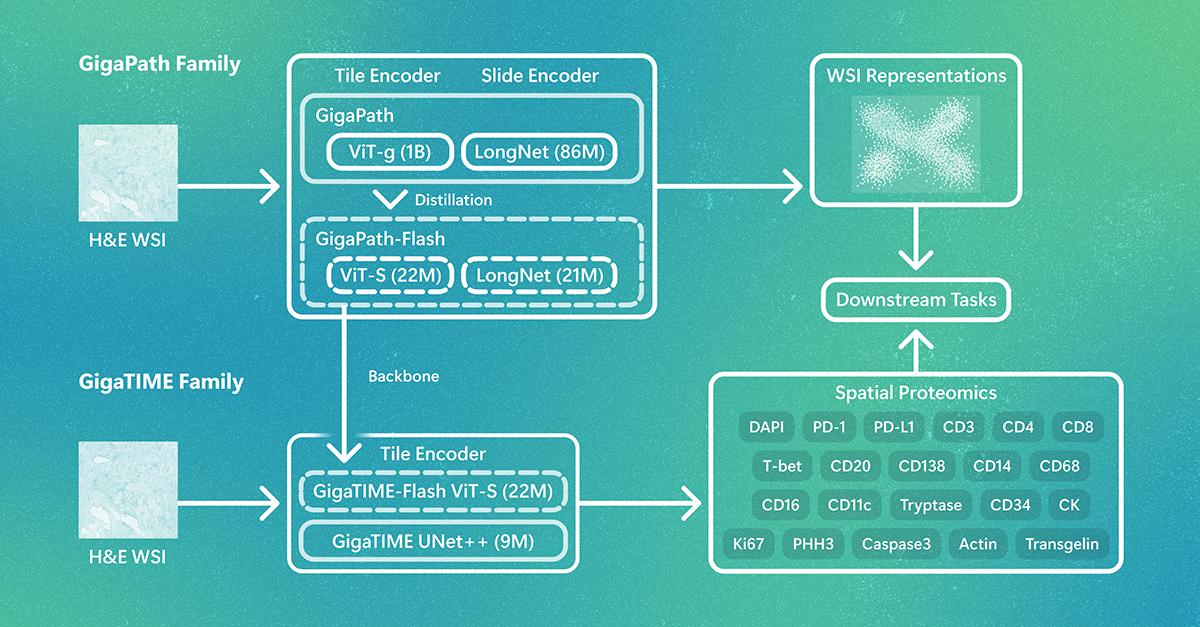
GigaPath-Flash and GigaTIME-Flash: Toward population-scale discovery with efficient pathology foundation models

What if pathology foundation models could do more with less? GigaPath-Flash and GigaTIME-Flash cut computational demands while maintaining strong performance, opening the door to larger studies and broader exploration. The post GigaPath-Flash and GigaTIME-Flash: Toward population-scale discovery with efficient pathology foundation models appeared first on Microsoft Research.

We use cookies to run the site and, with your consent, for analytics and to show ads. See our Cookie Policy.