3D spatial reasoning underpins understanding and acting in the physical world, yet it remains unreliable in current multimodal large language models (MLLMs). These models falter at precise geometric measurement, at transforming between egocentric and allocentric viewpoints, and at grounding fine-grained appearance. The most common remedies fine-tune the model on large-scale curated spatial-reasoning datasets or attach dedicated encoders for 3D geometry, which typically couples the solution to costly supervision and a specific backbone. We instead introduce GraFT, a training-free framework that supplies the missing 3D structure through a compact, easily maintained 3D scene graph (3DSG). From this 3DSG, GraFT provides three spatial reasoning capabilities: (1) deterministic geometry through symbolic tools, (2) allocentric layout through a bird's-eye-view (BEV) rendering, and (3) visual-attribute grounding through task-relevant egocentric frames. On ScanQA, GraFT improves every metric over the same-backbone baseline, raising CIDEr by 27%. On VSI-Bench, GraFT improves frozen MLLMs by up to 65%, surpassing every proprietary and general-purpose open-source baseline, and several prominent fine-tuned spatial models.
This publication proposes a definition and a classification of agile software development approaches and analyses ten software development methods that can be characterized as being "agile" against the defined criterion.
P. Abrahamsson, O. Salo, Jussi Ronkainen et al.· arXiv.org· 727 citations· ⚡54
The study shows that agile practices improve both informal and formal communication, but indicates that, in larger development situations involving multiple external stakeholders, a mismatch of adequate communication mechanisms can sometimes even hinder the communication.
M. Pikkarainen, Jukka Haikara, O. Salo et al.· Empirical Software Engineeri...· 401 citations· ⚡48
The results indicate that software engineering work practices are chosen opportunistically, adapted and configured to provide value under the constrains imposed by the startup context.
Nicolò Paternoster, Carmine Giardino, M. Unterkalmsteiner et al.· Information and Software Tec...· 394 citations· ⚡54
The possibility of inferring high-dimensional data inference in a model that consists of a prior and an auxiliary differentiable constraint given some additional information is considered, thereby allowing a range of potential applications in adapting models to new domains and tasks.
Alexandros Graikos, Esmeralda S. Whitammer, N. Jojic et al.· Neural Information Processin...· 316 citations· ⚡15
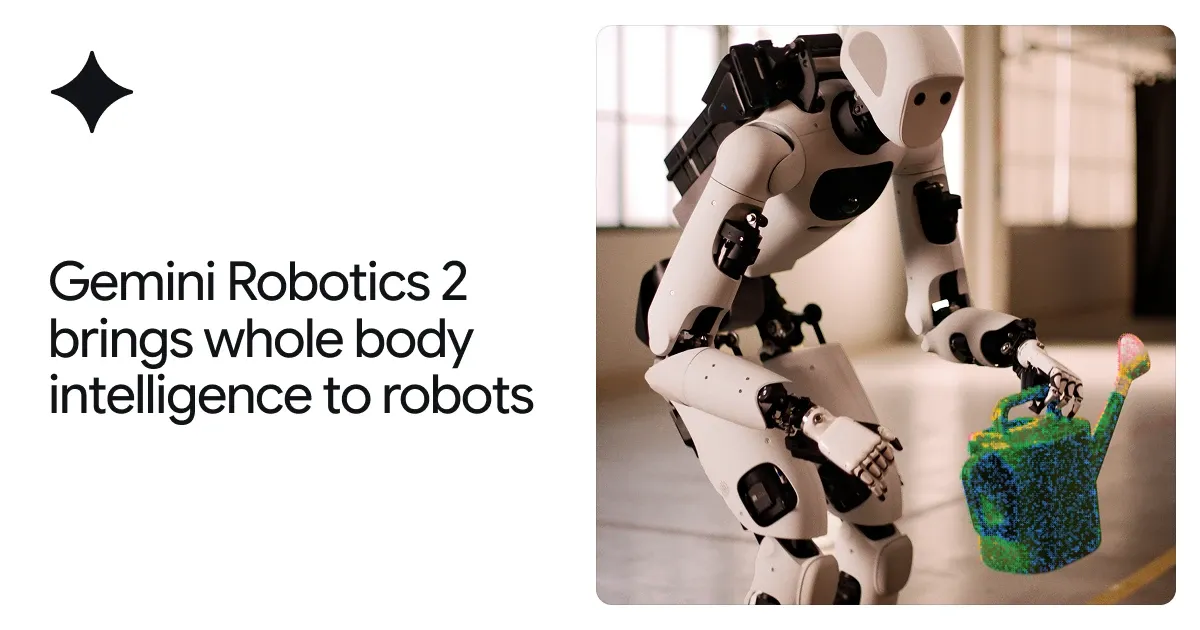
From feet to fingertips — we are teaching robots intelligent whole-body control, fine dexterity, and teamwork to complete a broad range of complex tasks.
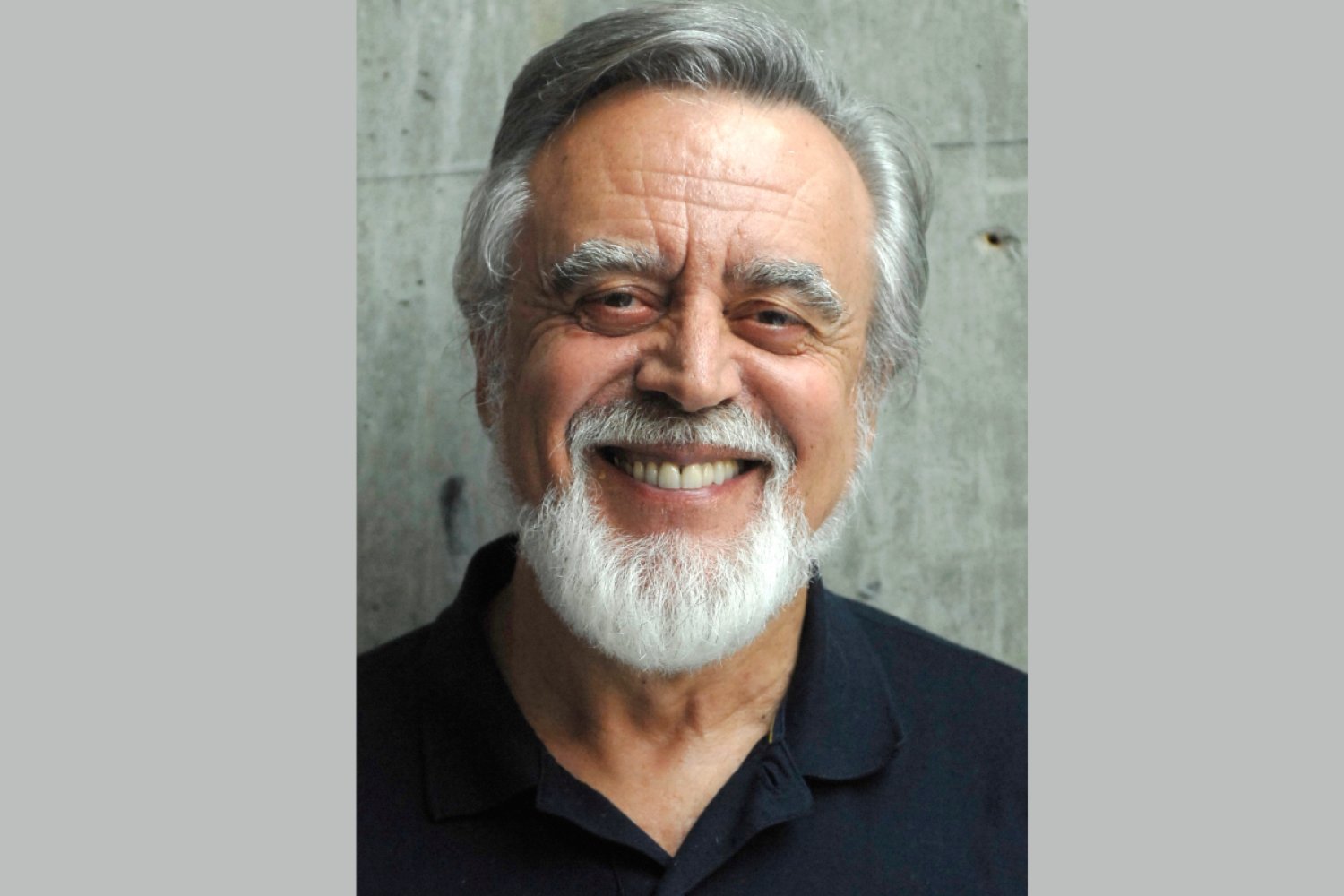
Known for his clear and elegant writing style, Bertsekas shaped fields from control and optimization to large-scale computation and artificial intelligence.
We use cookies to run the site and, with your consent, for analytics and to show ads.
See our Cookie Policy.