Machine learning-based risk prediction for invasive pulmonary aspergillosis in non-neutropenic intensive care unit patients, with an exploratory analysis of pathogen-related risk factors
Oct 2026· Frontiers in Cellular and Infection Microbiology· Vol 16· 0 citations· 33 references
Medicine
TL;DR
The externally validated six-variable score offers a practical, software-free tool to support pathogen-informed, individualized risk stratification and clinical decision-making in the ICU, and challenges the conventional assumption of a uniform steroid-associated risk.
Abstract
Background Invasive pulmonary aspergillosis (IPA) is increasingly recognized in non-neutropenic patients, but validated bedside risk stratification tools remain scarce. We developed a machine learning model to predict IPA and tested whether corticosteroid effect depends on bacterial co-pathogen. Methods This multicenter retrospective cohort study enrolled 837 non-neutropenic adults hospitalized with pulmonary infections across three tertiary hospitals in China between December 2020 and December 2025. The discovery cohort was split into training and internal validation sets. Four classifiers were compared, with Random Forest selected for optimal performance. The final model was externally validated in an independent cohort. Feature importance was assessed using SHAP (SHapley Additive exPlanations) analysis. Corticosteroid-bacteria interactions were examined using subgroup analyses and propensity score matching, with the synergy index S calculated to quantify biological interaction. A simplified bedside score was derived from the top-ranking predictors. Results The Random Forest model achieved external validation AUC of 0.865. Six predictors consistently dominated across all assessments: Pseudomonas aeruginosa isolation, hypoxemia (PaO2/FiO2 <200 mmHg), diabetes mellitus, organ failure (Sequential Organ Failure Assessment, SOFA >5), lymphopenia (lymphocyte count <0.8×10⁹/L), and ICU (intensive care unit) admission. Corticosteroid exposure did not rank among the top six predictors. However, its association with IPA diverged sharply by bacterial context: OR below 1 with P. aeruginosa (OR 0.52, 95% CI 0.214–1.283) but OR above 1 with other Gram-negative bacilli (OR 2.17, 95% CI 0.722–6.535); P for interaction = 0.131; a directional pattern that persisted after propensity matching. The six-variable score derived from these predictors showed AUCs of 0.869 (training), 0.774 (internal validation), and 0.719 (external validation). Conclusions IPA risk in non-neutropenic ICU patients is shaped more by bacterial co-pathogen context than by corticosteroid exposure alone. The divergent corticosteroid effects across bacterial species challenge the conventional assumption of a uniform steroid-associated risk. The externally validated six-variable score offers a practical, software-free tool to support pathogen-informed, individualized risk stratification and clinical decision-making in the ICU.

This retrospective study identified four independent predictors of voriconazole efficacy in IAPA patients and identified the established CatBoost model, which delivers stable, interpretable prediction to guide individualized voriconazole therapy for IAPA.
Xin Zhang, Qian-Qian Zhu, Su-Juan Tang et al.· Drug Design, Development and...· 0 citations
Background: Early diagnosis of Invasive Pulmonary Aspergillosis (IPA) in non-neutropenic ICU patients remains challenging due to the low specificity of radiological findings and the limited reliability of individual biomarkers. This diagnostic uncertainty often delays antifungal treatment and contributes to the high mo...
Andrea Baldi, Giulia Capecchi, Francesca Fiani et al.· Journal of Fungi· 0 citations
An interpretable XGBoost model that accurately predicts pneumonia risk in AL patients based on routine admission data is developed and validated and provides actionable risk stratification to inform preemptive diagnostic and therapeutic strategies.
W. Zhuang, Chen Huang, Xu-Dong Ma et al.· Leukemia research : a Forum...· 0 citations
An interpretable RF-based machine learning model for predicting in-hospital mortality in patients with sepsis was developed and internally validated and showed acceptable discrimination, reasonable calibration, and potential clinical net benefit in internal validation.
Tian-Yu Zhao, Ke-Xin Wen, Xu-Min Han et al.· Frontiers in Medicine· 0 citations
Patients with hematological malignancies (HMs) are at high risk of gram-negative bloodstream infections (GN-BSI) due to prolonged immunosuppression and neutropenia. These infections are associated with significant morbidity and mortality, often exceeding 30%. Early identification of high-risk patients is crucial,...
Azza Ayad, Yassin Y Taher, M. Jamal et al.· Journal of the Pediatric Inf...· 0 citations
BACKGROUND
Viral infection is a major cause of severe community-acquired pneumonia, yet existing risk stratification tools may lack timeliness and precision. This study aimed to develop machine learning models to predict 28-day mortality and new initiation of invasive mechanical ventilation in critically ill patients w...
Xiao-Xiao Guo, Yu-Zhen Xu, Yong-Hong He et al.· Respiratory Medicine· 0 citations
Related blog posts
Microsoft Research Blog· microsoft.comOct 30, 2026
Evaluating Microsoft Copilot at enterprise scale requires test data that captures the full complexity of real organizations, yet real enterprise data contains sensitive information that cannot be used for evaluation under any circumstances. The post From synthetic enterprise data evaluations to real Microsoft Copilot AI confidence appeared first on Microsoft Research.
Microsoft Research Blog· microsoft.comOct 29, 2026
Host Sowbhagya Suresh shares some of the latest news and cutting-edge research from across Microsoft—from understanding the challenges facing coding agents to uncovering how people use AI at work and improving extended-range weather forecasting. The post Microsoft Research Focus – Edition #97 appeared first on Microsoft Research.
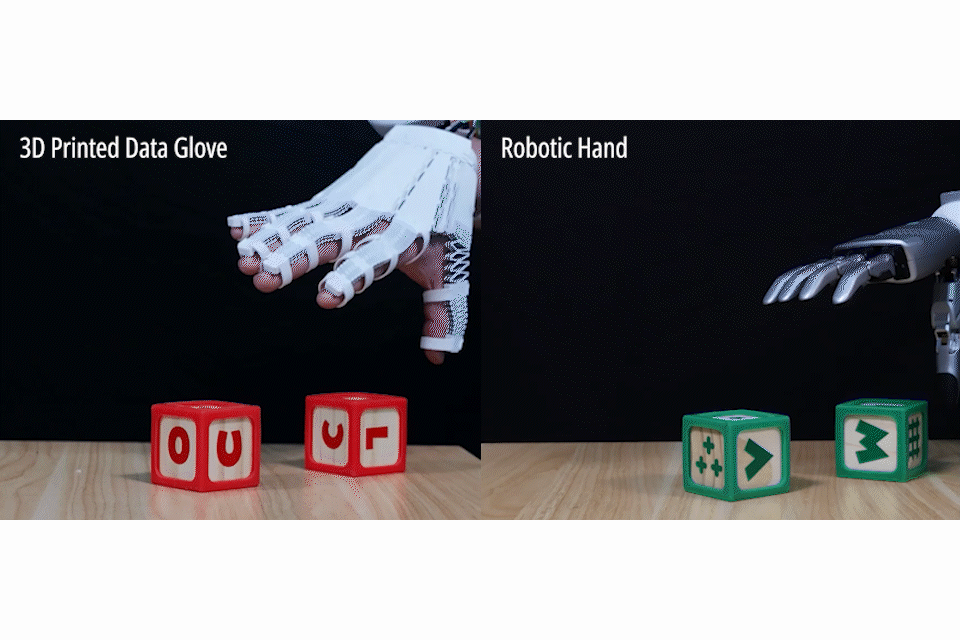
“X-Hinges” helps design and 3D print items like lamps and gloves with an interactive twist: automatically embedded sensors that perceive and adaptively respond to human contact.
We use cookies to run the site and, with your consent, for analytics and to show ads.
See our Cookie Policy.