EL-RAKHAWI BEACON THE SYMBIOTIC CONVERGENCE SYSTEM FOR HUMAN SURVIVAL AND DIGNITY A COMPREHENSIVE TECHNICAL AND PHILOSOPHICAL FOUNDATION DOCUMENT FINAL HARDENED OPEN HARDWARE EDITION WITH REALISTIC ENGINEERING SPECIFICATIONS
Oct 2026· Zenodo (CERN European Organization for Nuclear Research)
Solar-Powered Water Purification Methods
Abstract
EL-RAKHAWI BEACON: EXECUTIVE SUMMARY The El-Rakhawi Beacon is a symbiotic convergence system integrating four life-sustaining functions into a single solar-powered unit: atmospheric water generation (8-40 L/day via MOF sorbents), hybrid energy storage (LFP battery 5kWh), edge AI with mesh networking, and environmental-health sensing with UV-C sterilization. Critical engineering innovations addressing realistic deployment constraints:1. **Dual-Circuit Energy Architecture**: Separate solar thermal collector (2.5m²) for MOF desorption + photovoltaic panels (3.84m²) for electrical loads, eliminating inefficient electricity-to-heat conversion.2. **LFP Battery Technology**: Proven LiFePO4 chemistry (6000 cycles, non-flammable) replacing speculative solid-state alternatives, ensuring safety in unattended remote deployment.3. **Specialized Small Language Models (SLMs)**: 7.5GB total memory footprint for medical, agricultural, and educational AI, with hybrid thermal management (2kg passive heat sink + centrifugal fan) preventing throttling at 55°C ambient.4. **Realistic Manufacturing**: $4,500 BOM cost; local assembly of enclosure and integration, while high-tech components (battery, compute, MOF) are procured as COTS from qualified suppliers. Released under **El-Rakhawi Humanitarian Use License (ERHUL)** based on CERN OHL v2.0 with mandatory attribution and **capped 15% profit margin** to prevent exploitation while enabling sustainable local manufacturing. Author: Dr. Mohamed Kamal Arafa El-RakhawiDOI: 10.5281/zenodo.23241141

This publication proposes a definition and a classification of agile software development approaches and analyses ten software development methods that can be characterized as being "agile" against the defined criterion.
P. Abrahamsson, O. Salo, Jussi Ronkainen et al.· arXiv.org· 727 citations· ⚡54
Supporting data, adapters, predictions and code for the article *Low-Cost LoRA Fine-Tuning of Small Language Models for Multi-Step Arithmetic Reasoning* by Jake O'Grady, Asena Isik Gürhan, Chee Fong Ting and Effirul Ramlan (University of Galway). We generated 20,000 GSM8K-derived arithmetic problems with step-by-step s...
O'Grady, Jake, Gürhan, Asena Isik, Chee, Fong Ting et al.· Zenodo (CERN European Organi...· 465 citations
The study shows that agile practices improve both informal and formal communication, but indicates that, in larger development situations involving multiple external stakeholders, a mismatch of adequate communication mechanisms can sometimes even hinder the communication.
M. Pikkarainen, Jukka Haikara, O. Salo et al.· Empirical Software Engineeri...· 401 citations· ⚡48
The results indicate that software engineering work practices are chosen opportunistically, adapted and configured to provide value under the constrains imposed by the startup context.
Nicolò Paternoster, Carmine Giardino, M. Unterkalmsteiner et al.· Information and Software Tec...· 394 citations· ⚡54
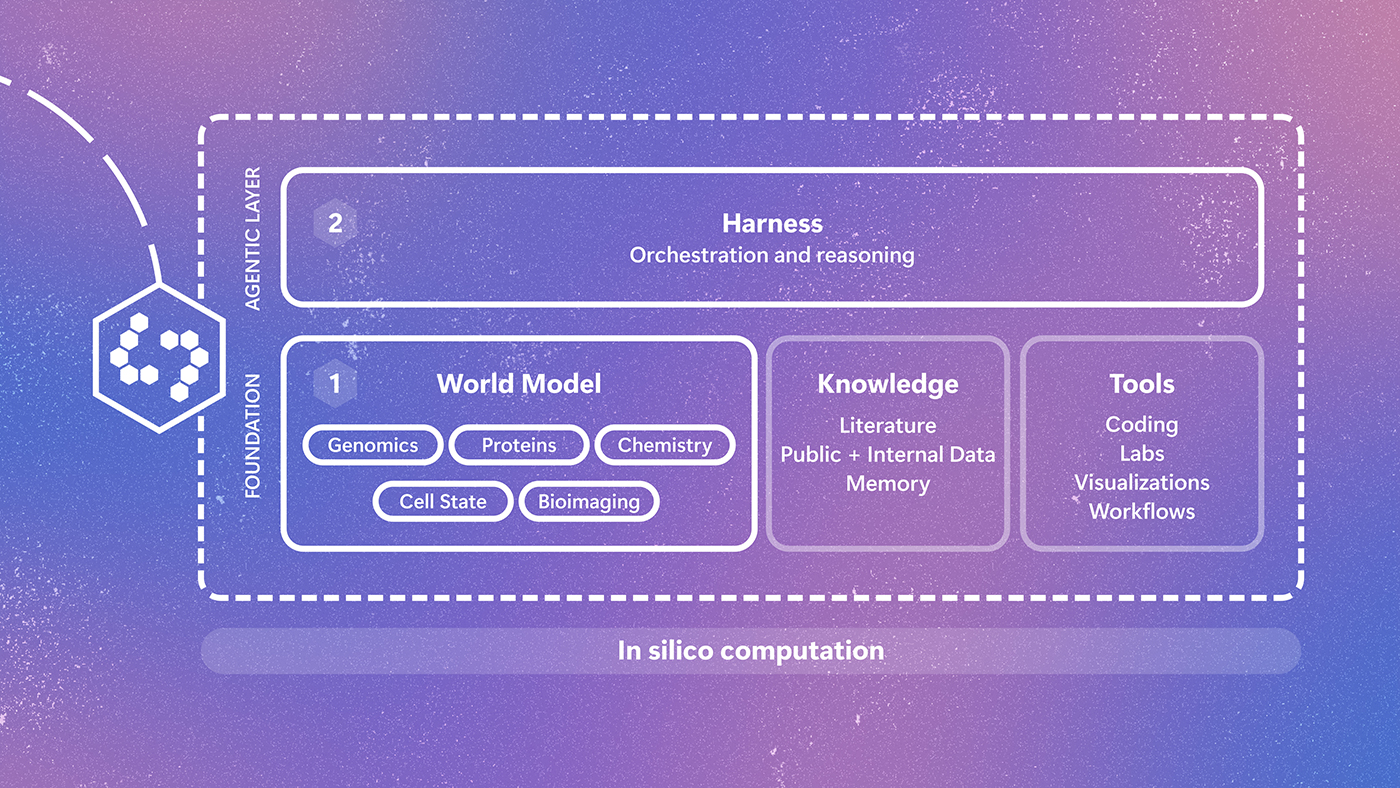
Biology doesn't operate in silos, and neither should the AI representation of it. Quine is an early-stage research effort to create a multimodal world model of biology. By connecting insights across biological scales and modalities, Quine helps scientists computationally search a space far larger than intuition allows and prioritize hypotheses before they reach the lab. Experimental results provide important feedback, helping researchers sharpen future research directions. The post Introducing Q…
Microsoft Research Blog· microsoft.comAug 31, 2026
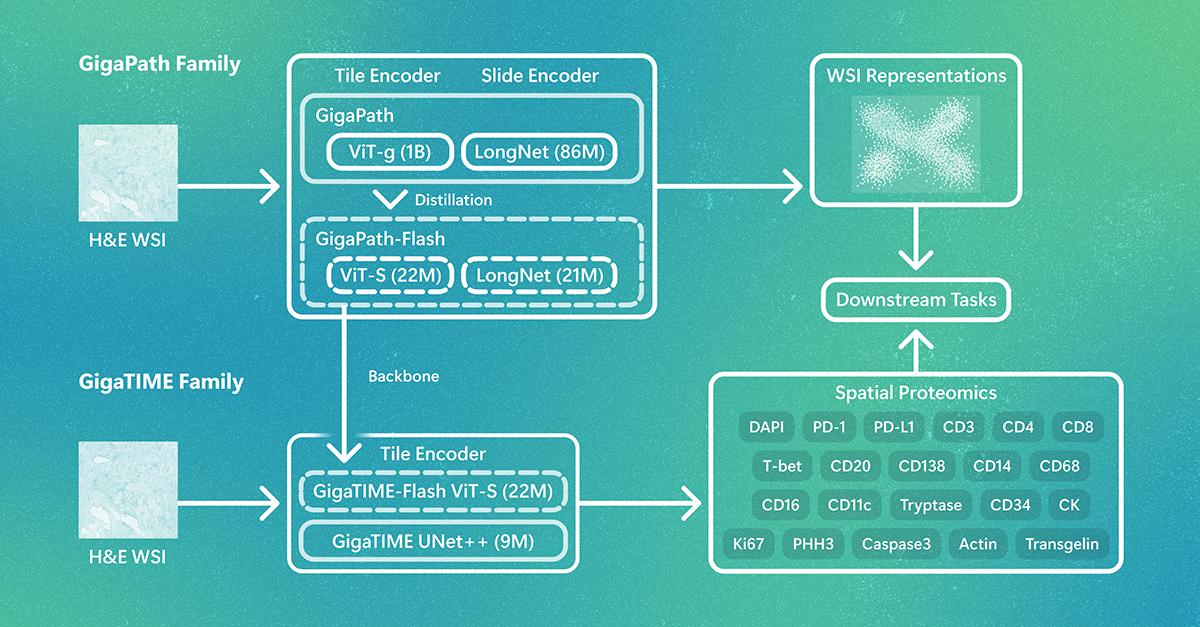
What if pathology foundation models could do more with less? GigaPath-Flash and GigaTIME-Flash cut computational demands while maintaining strong performance, opening the door to larger studies and broader exploration. The post GigaPath-Flash and GigaTIME-Flash: Toward population-scale discovery with efficient pathology foundation models appeared first on Microsoft Research.
We use cookies to run the site and, with your consent, for analytics and to show ads.
See our Cookie Policy.