The qualitative analysis reveals the factors users consider in their anchoring decision, including interface accessibility, stability during interaction, visual clutter, and individual mental models, which inform the design of adaptive and controllable MR interfaces and highlight the importance of supporting user customization.
Abstract
Anchoring - the choice of frame of reference for mixed reality (MR) interface elements - is a critical design decision involving trade-offs between accessibility, interaction comfort, and visual interference. Despite its importance, user preferences for anchoring across different mobility contexts and interface properties remain poorly understood, as prior work has largely focused on specific tasks or fixed interface configurations. We address this through a mixed-methods user study in which participants configure anchoring strategies across different mobility conditions and interface types. Combining behavioral analysis with structured qualitative inquiry, we analyze how participants select and reason about anchoring modes. Our results show a clear transition from world-anchored interfaces in stationary contexts to body-anchored interfaces during locomotion. However, no single body anchor consistently dominates, highlighting the personal nature of anchoring strategies. Our qualitative analysis reveals the factors users consider in their anchoring decision, including interface accessibility, stability during interaction, visual clutter, and individual mental models. These findings inform the design of adaptive and controllable MR interfaces and highlight the importance of supporting user customization.
In digital news environments, user trust is shaped not only by content and source credibility, but also by interface-level cues encountered during browsing. This study examines how navigation structure and interface color relate to trust-related evaluations and interface experience in digital news prototypes. An explan...
The study compares behavioral patterns of Boomers and Generation Z through an experimental task using an interactive graphical tool based on the Chord Wheel Diagram to suggest that usability is closely connected to users’ cognitive expectations and interaction habits.
Josef Pavlíček, Irena Štrausová, P. Pavlíčková et al.· AHFE International· 0 citations
The findings support the fact that AsI preserves several measurable proxemic regularities, and confirm the use of AsI as a valid and scalable framework for studying social behaviour in VR and for generating interaction datasets, and provide guidelines for designing socially aware virtual agents.
Tony Wolff, Anne-Hélène Olivier, Katja Zibrek et al.· ACM Transactions on Applied...· 0 citations
Standard controllers remain the most common input devices in virtual reality (VR) applications, whether for entertainment, training, health care or others. Task-representative input devices are gaining momentum for enhancing realism and interaction fidelity. However, the role of VR expertise remains underexplored, desp...
Lauren Olivier, I. Taylor, Hamed Tadayyoni et al.· International Conference on...· 0 citations
This study aims to explore how spatial design personalization influences users’ emotional, cognitive and functional experiences in immersive virtual reality workspaces (VRWSs), addressing the lack of understanding about how user-driven spatial design in VRWSs shapes workspace satisfaction and perceived productivity...
Kyunghyun Cho, Seung Hyun Lee, S. Cha· Journal of Corporate Real Es...· 0 citations
Outer Limits is presented, a browser-based system for controlled content experiments within the existing Old Reddit interface, rather than in a reconstructed simulation, which renders content locally, records study events, and contains configured voting and commenting actions so that neither constructed content nor exp...
Chen-Chen Mao, Han-Jing Shi, Haiyan Jia et al.· 1 citation
Related blog posts
Microsoft Research Blog· microsoft.comNov 16, 2026
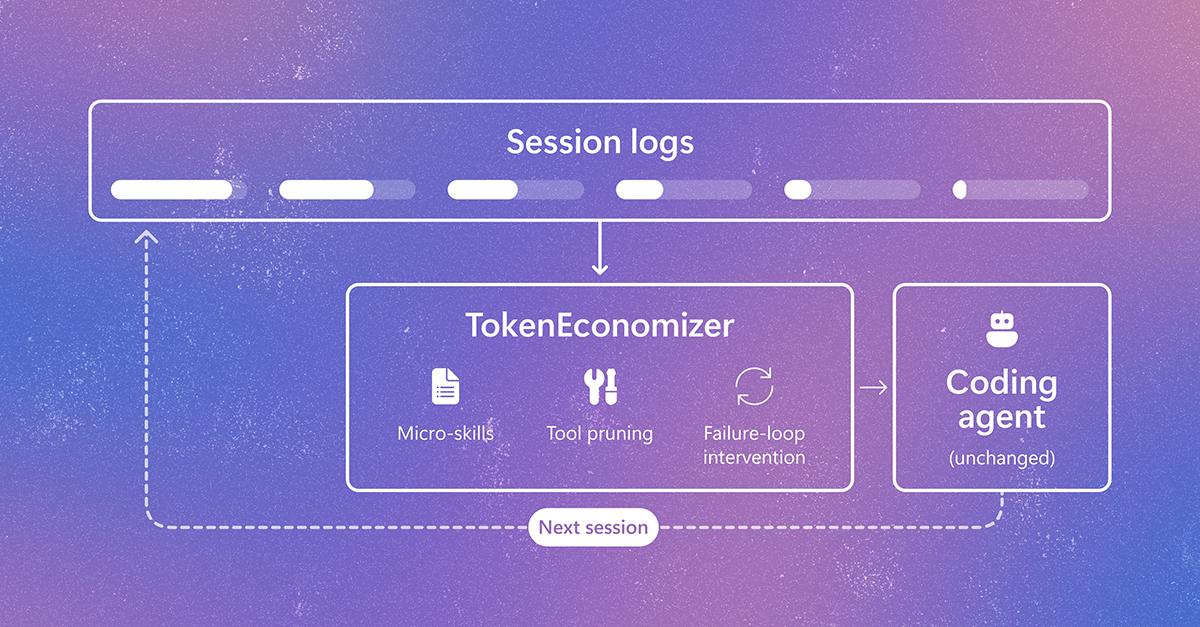
AI coding agents are increasingly help developers fix bugs and build features largely on their own, but every interaction with their models consumes tokens. In each session, an agent sends instructions, tool descriptions, and session history to its model. Most efforts to reduce this cost focus on individual tasks. Yet developers return to the same […] The post TokenEconomizer: Learning from Experience to Make AI Coding Agents More Efficient appeared first on Microsoft Research.
MIT News · Artificial Intelligence· news.mit.eduNov 13, 2026
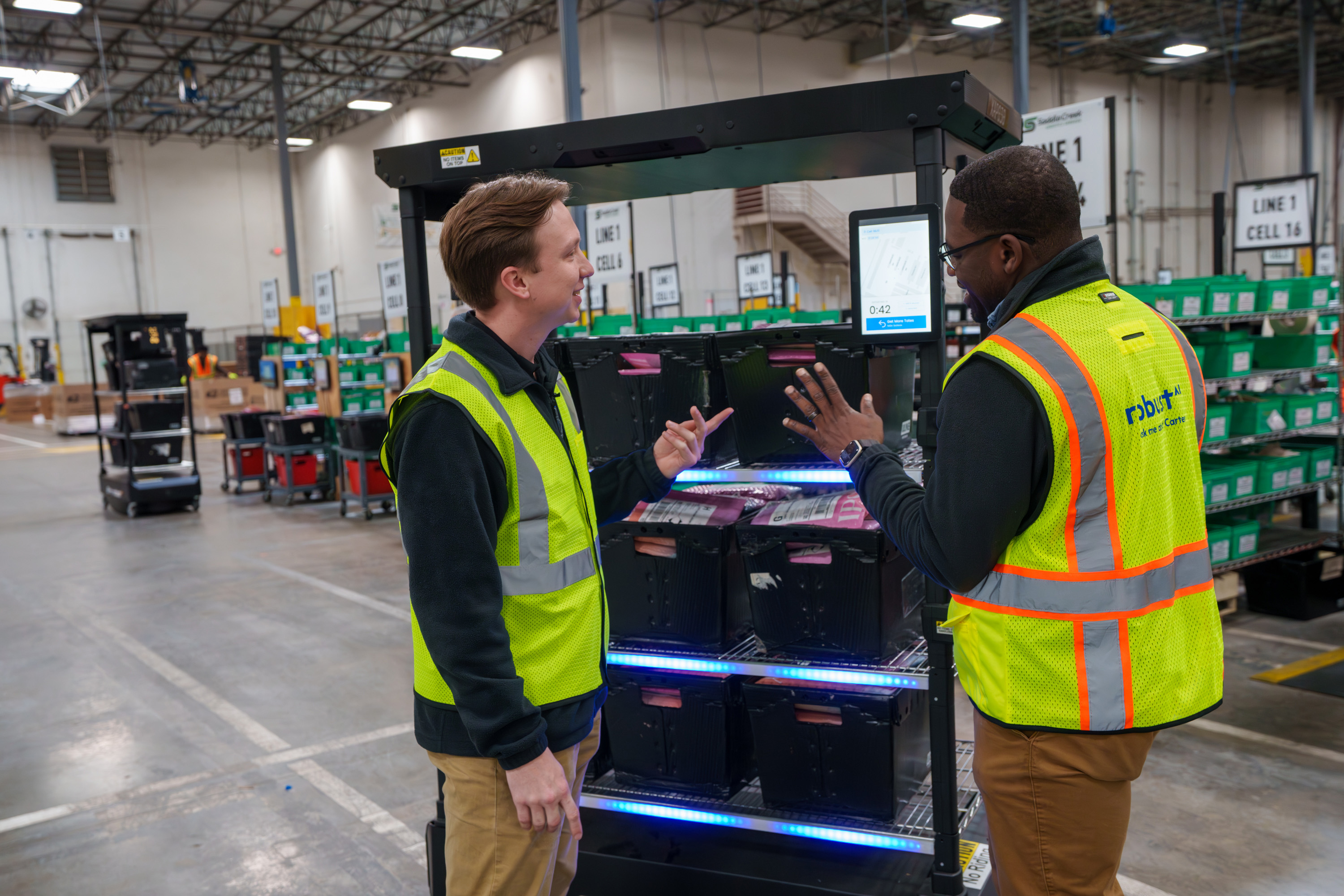
Founded by Anthony Jules ’92, SM ’92 and Professor Emeritus Rodney Brooks, Robust AI’s robots are designed to collaborate with humans in factories and warehouses.
MIT News · Artificial Intelligence· news.mit.eduNov 12, 2026
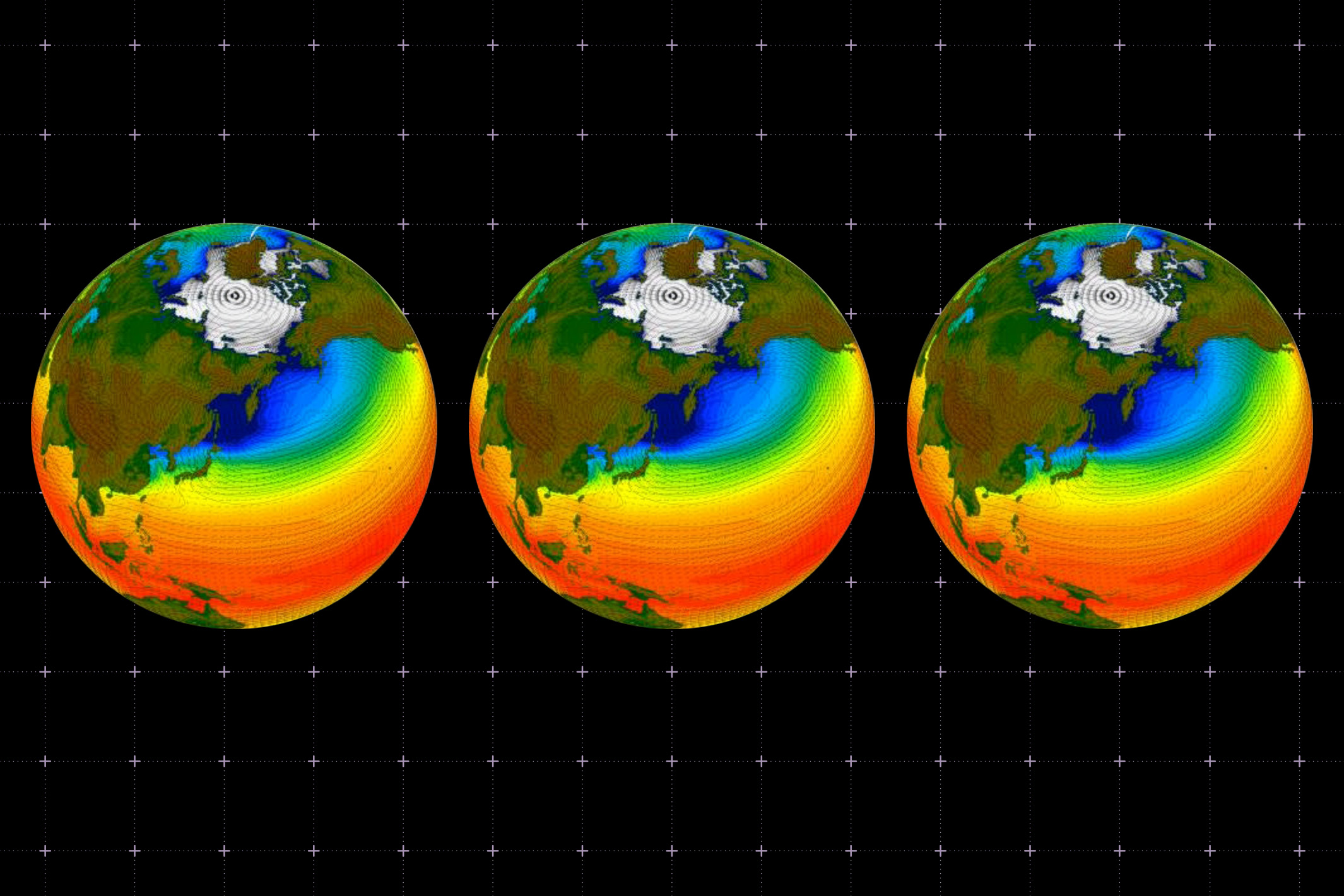
MIT scientists developed a training method to generate models that simulate the effects of human activities on climate much more quickly than other approaches.
We use cookies to run the site and, with your consent, for analytics and to show ads.
See our Cookie Policy.