Self-regularizing diffusion transformers with uncertainty-aware cross-modal contrastive learning for stable multimodal generative AI
A. Yunianta
· Ain Shams Engineering Journa... · 0 citations
 AI Networking Cookbook: Practical recipes for AI-assisted network automation and development
Category
2,717 papers
The findings of this study show AI supports KT by reducing cognitive load, validating with science, encouraging peer learning and creating feedback loops for improvement, and shows how AI can change professional roles and bridge knowledge gaps among actors.
Reach audiences
Advertise in front of researchers, engineers, and readers.
The study contributes to AI-in-education research by demonstrating how generative AI can strengthen teacher agency and support contextualized listening pedagogy in resource-constrained settings and recommends that teacher professional development and reform-oriented artificial-intelligence adoption prioritize prompt-me...
This case situates AI-mediated listening within culturally specific moral relations of obligation and responsibility within culturally specific moral relations of obligation and responsibility, and reframes therapeutic automation as an index of the erosion of listening as a shared social good.
GenAI models exhibit a non-humanlike social-cognitive profile, excelling with positive emotions but struggling with the negative content, highlighting the risks of integrating GenAI into sensitive fields and underscoring the need for continued validation.
The findings show that large language models are used less as standalone decision-making tools and more as ways of organizing and mobilizing knowledge for practitioners and researchers, with roles ranging from design assistants and knowledge integrators to analytical components in larger modelling workflows.
Prospective protocol record for a scoping review that will map and characterise how Generative AI is used, studied, and governed in Systems Analysis and Design education. The review distinguishes direct SAD evidence from adjacent and contextual evidence, uses three research questions covering the evidence landscape, Ge...
This paper introduces a novel approach to generating explainable deep learning models, termed Explainable Deep Learning Model Generation (EDLMG). The core challenge in deploying deep learning models is their inherent lack of transparency, hindering trust and adoption. EDLMG addresses this by leveraging Generative Adver...
Andrew's repeated requests for web pages, posters, scripts, and visual assets reveal a fundamental design pattern: the user expects a generative AI system to accept a brief, route it through E8 lattice geometry for semantic enrichment, and deliver a finished artifact via async output (Telegram, file link, or dashboard)...
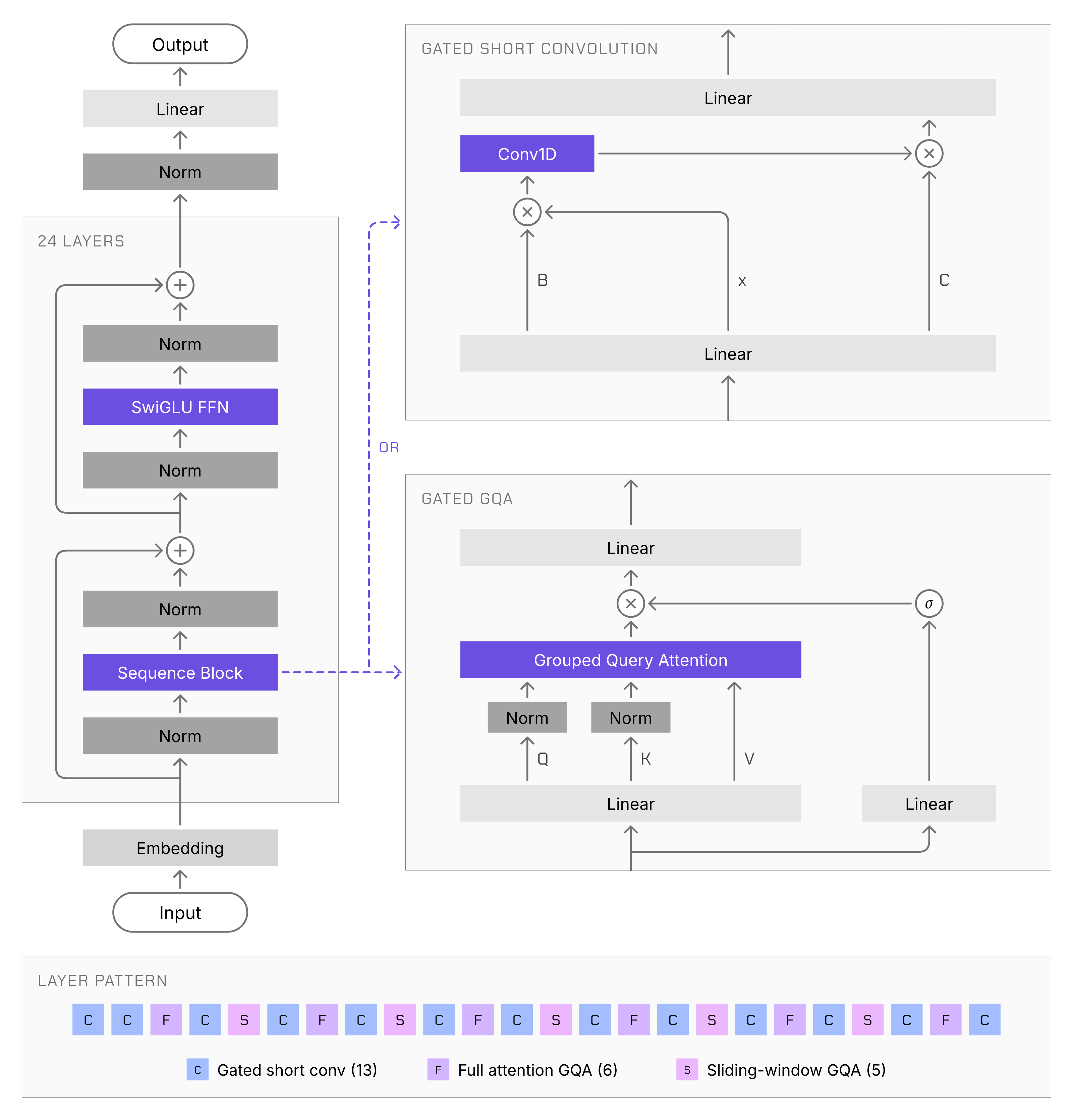
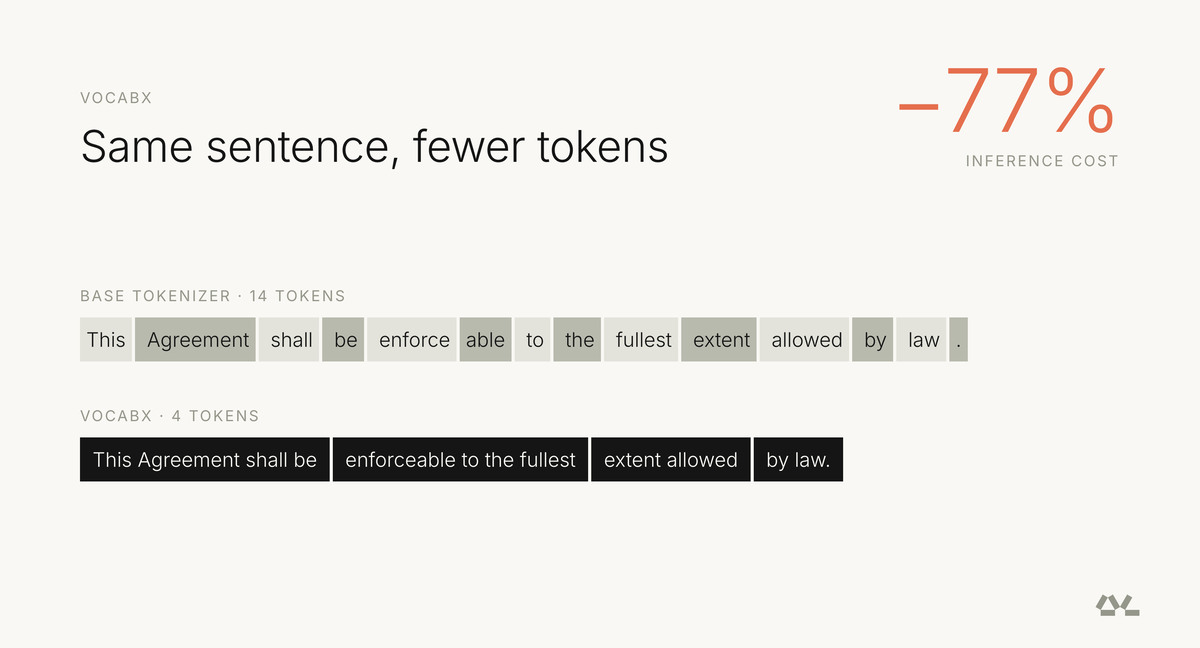
A Blog post by Liquid AI on Hugging Face
In Compton Lecture, the distinguished legal scholar warns of potential “loss of the Enlightenment” while suggesting ways innovations can meet our civic and cultural needs.
Generative AI
Assistant Professor Benjamin Lindquist studies how engineers deliberately injected randomness into early AI, giving rise to deep-learning models that sometimes hallucinate.
Flint-interactive gives AI agents a language for creating interactive visualizations. Click a chart, filter data, highlight related content, and explore beyond the view the author originally chose. The post Flint-interactive: A language for creating interactive data visualizations appeared first on Microsoft Research.
A Blog post by Dharma-AI on Hugging Face
We use cookies to run the site and, with your consent, for analytics and to show ads. See our Cookie Policy.