
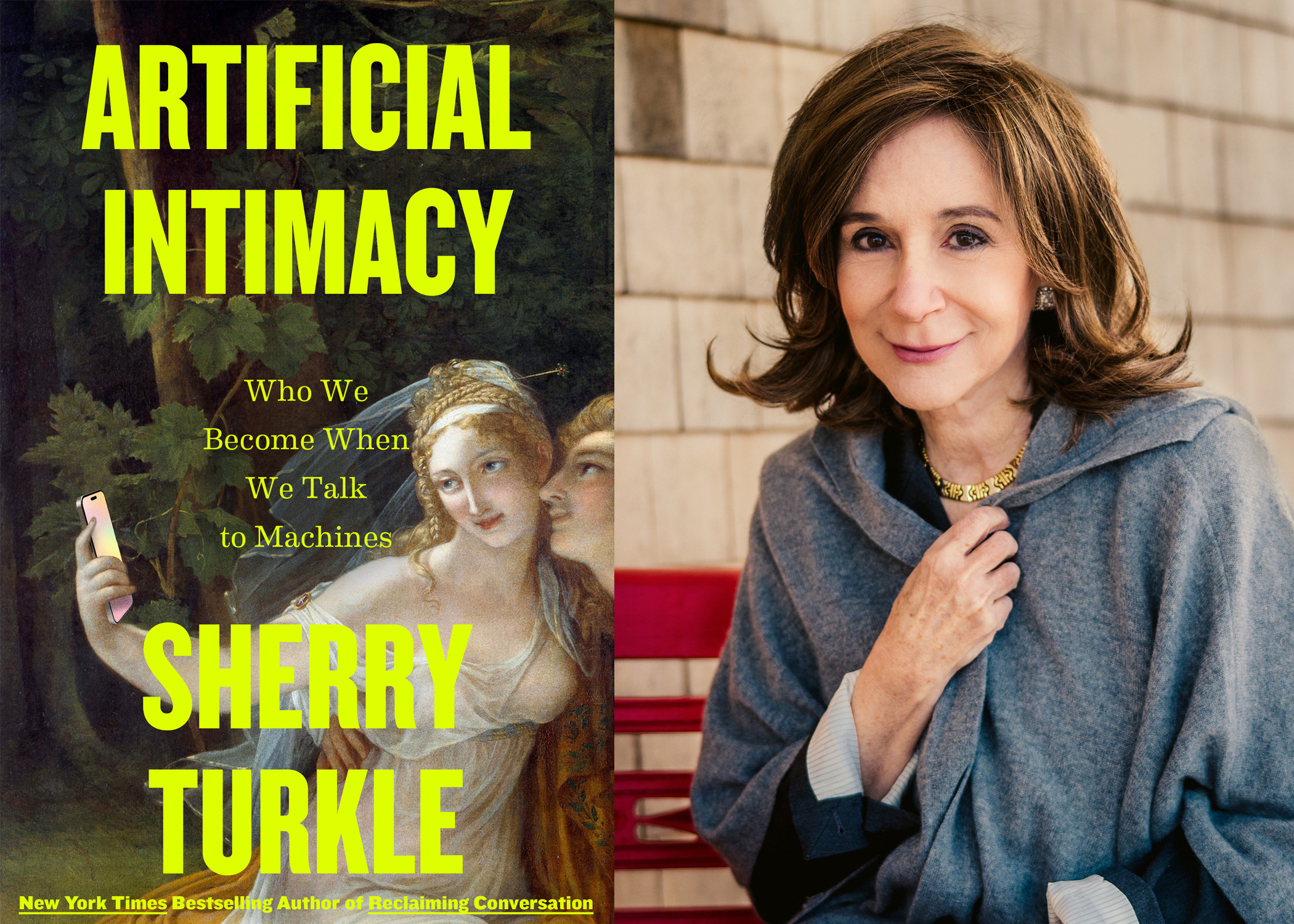
Who we become when we talk to machines
Professor Sherry Turkle’s new book, “Artificial Intimacy,” offers a withering critique of chatbots and the antisocial dynamics she believes they encourage.
More from the blog
New AI “copilot” helps engineers design better structures
The system asks humans for feedback to increase trust in machine-generated designs for buildings and bridges.
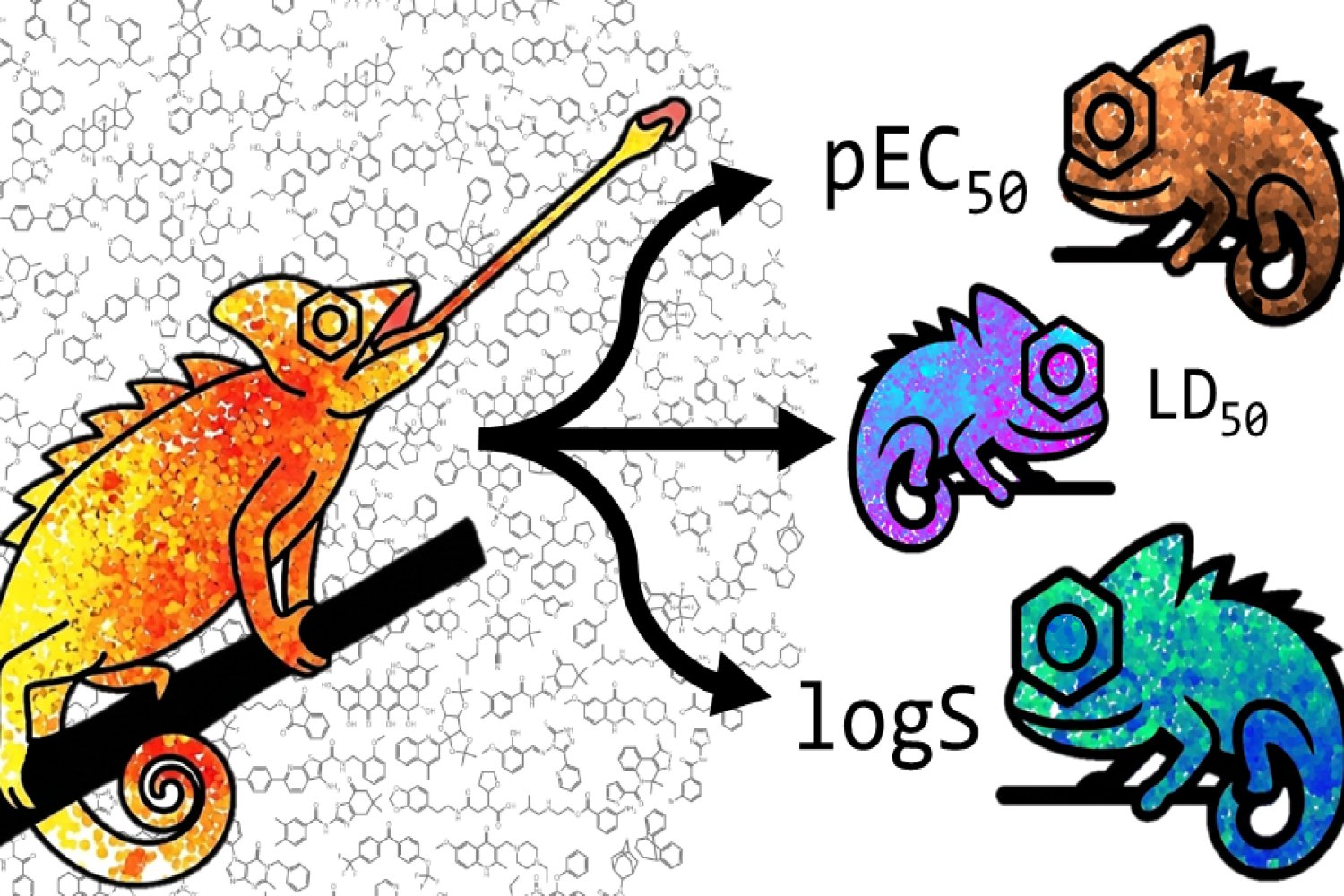
How to predict the behavior of molecules from scant data
A machine-learning approach called CheMeleon provides a practical way to develop new drugs or other molecules with much less detailed, expensive experimentation.

Making machines that can listen
Professor Paris Smaragdis develops computers with superhuman hearing for applications like speech recognition, music understanding, and environmental monitoring.
NVIDIA Kumo Relational Outperforms Supervised Machine Learning on Relational Data, No Training Required
A Blog post by NVIDIA on Hugging Face
Related papers
The Llama 3 Herd of Models
It is found that Llama 3 delivers comparable quality to leading language models such as GPT-4 on a plethora of tasks, and performs competitively with the state-of-the-art on image, video, and speech recognition tasks.
Gibson Env: Real-World Perception for Embodied Agents
This paper investigates developing real-world perception for active agents, proposes Gibson Environment for this purpose, and showcases a set of perceptual tasks learned therein.
SemanticAdv: Generating Adversarial Examples via Attribute-conditional Image Editing
An algorithm is proposed which leverages disentangled semantic factors to generate adversarial perturbation by altering controlled semantic attributes to fool the learner towards various "adversarial" targets.
KTO: Model Alignment as Prospect Theoretic Optimization
This work proposes a HALO that directly maximizes the utility of generations instead of maximizing the log-likelihood of preferences, and suggests that the best loss depends on the inductive biases most appropriate for a given setting, an oft-overlooked consideration.