Same Cluster, 33 Points More Utilization: What Changed Was the Order
A Blog post by Dharma-AI on Hugging Face
More from the blog
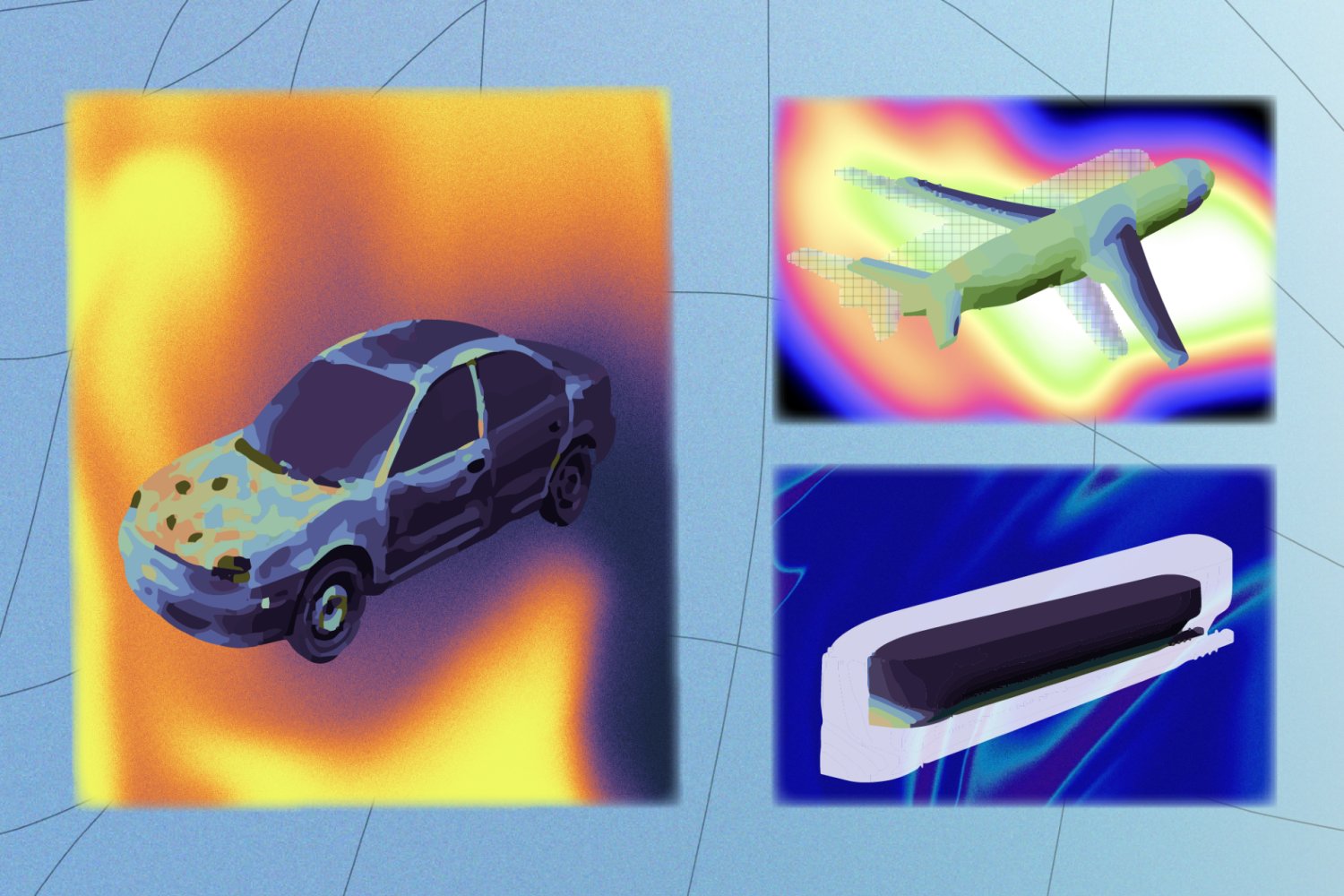
With a feel for physics, AI models simulate a wider range of real-world scenarios
“GeoPT” helps AI models understand the basics of physics so they can simulate how objects respond to things like wind and water more efficiently and accurately.
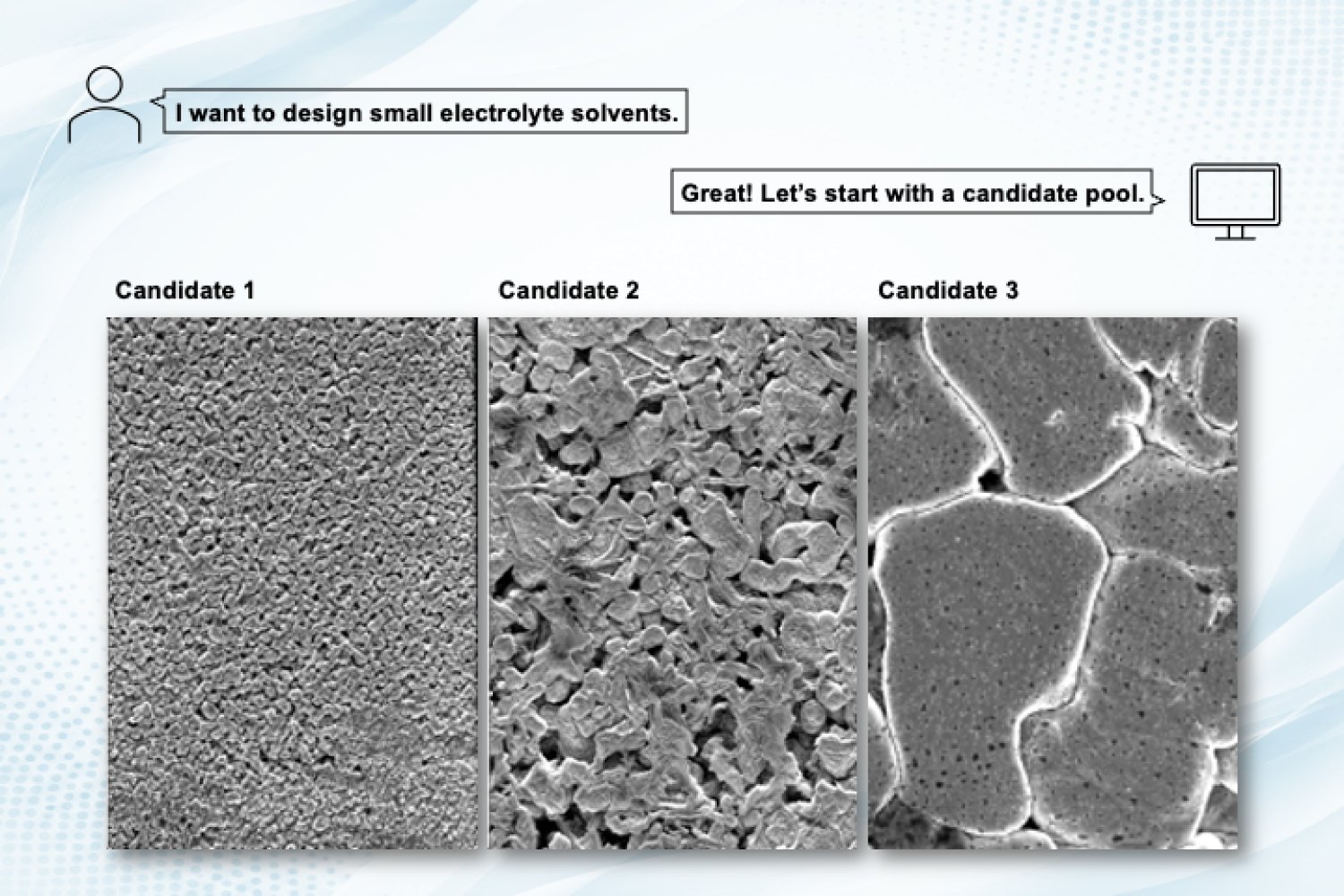
Solving the solvent problem
By focusing on electrolytes, MIT scientists are making sodium-metal batteries a more practical energy storage option.
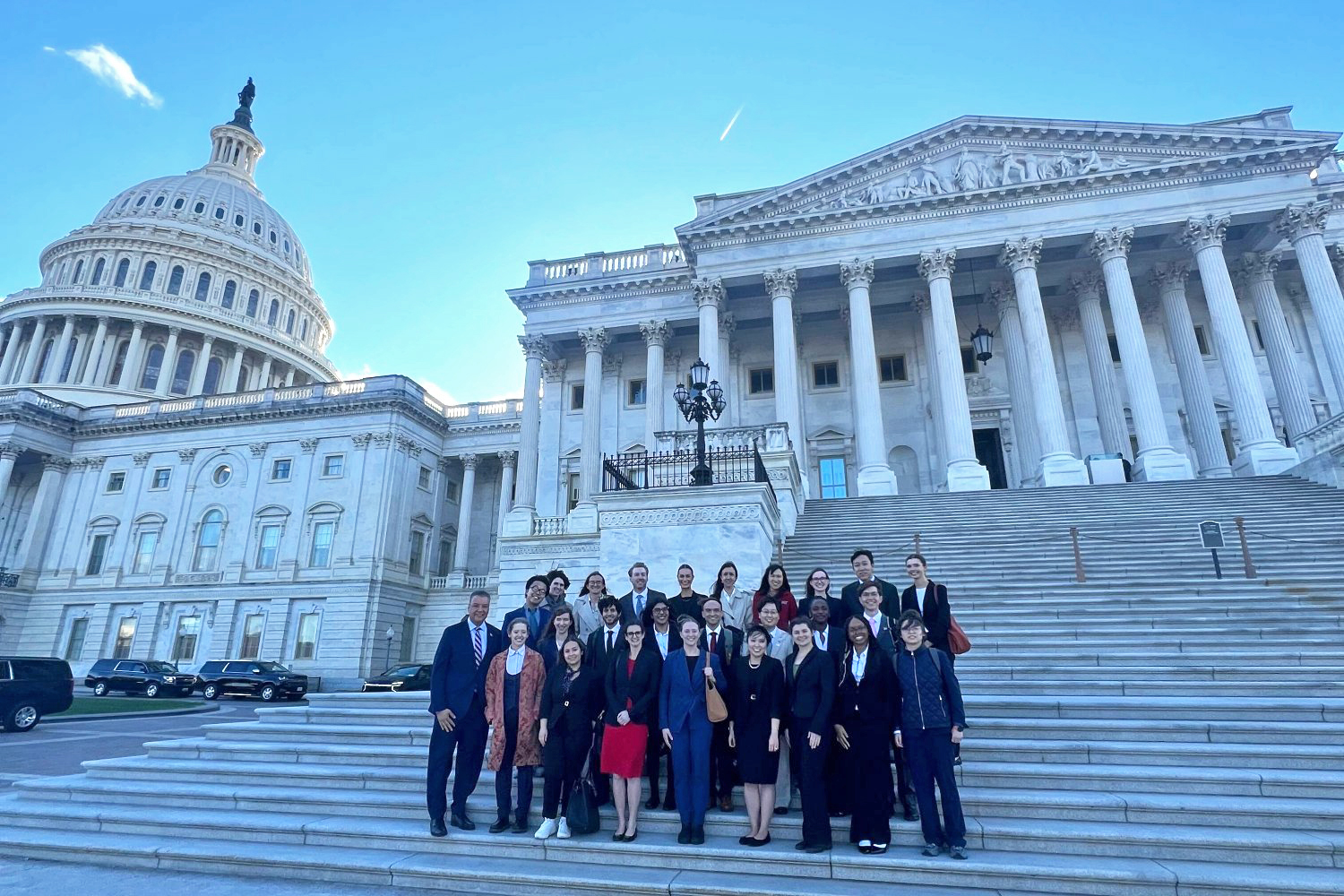
Connecting research to policy on Capitol Hill
MIT students and postdocs discussed science funding and research with policymakers in Washington during the MIT Science Policy Initiative’s annual Congressional Visit Days.
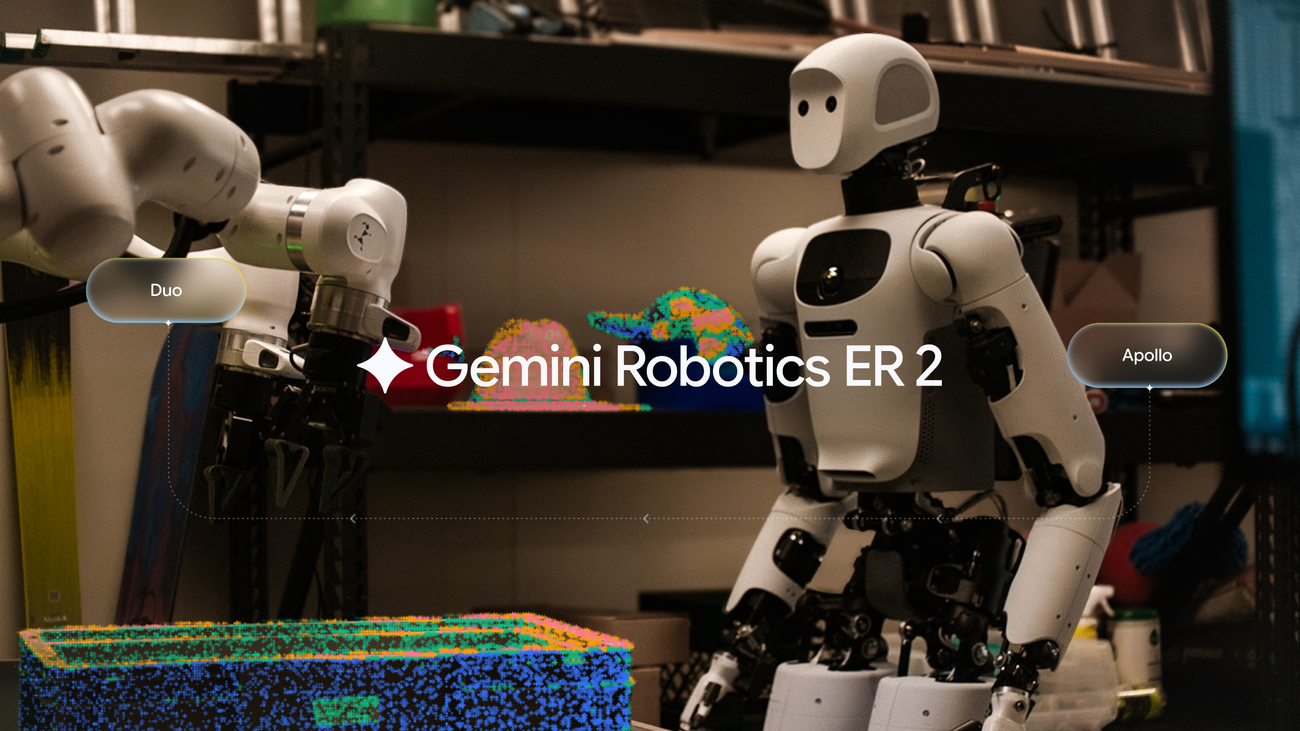
Gemini Robotics ER 2: powering robotics with video understanding, task orchestration, and multi-robot collaboration
Gemini Robotics ER 2 helps robots reason, collaborate, and solve real-world tasks. It represents a step change in video understanding, tool orchestration, and multi-robot collaboration for robotic applications.
Related papers
An explainable generative AI framework for detecting low-rate API-based DDoS attacks in cloud environments
Artificial Intelligence for Real-Time Cyber Threat Classification and Emerging Threat Detection: A Structured Review of Methods, Datasets, Challenges, and Research Directions
The reviewed literature indicates that AI-based methodologies often demonstrate superior detection capabilities for intricate and previously unseen attack patterns compared to traditional methods; however, direct performance comparisons are complicated due to discrepancies in datasets, experimental designs, and evaluation protocols.
Adaptive Repayment Optimisation for SME Lending: A Stochastic Programming Framework with Generative AI Explanation
The Adaptive Repayment Optimisation Engine is introduced, a novel framework that applies constrained stochastic optimisation to the design of loan repayment schedules for small and medium-sized enterprises (SMEs) and contributes to the operations research literature by bridging stochastic programming, explainable AI, and financial regulation in a novel application domain.
The socio-ecological costs of AI: Toward socially responsible and sustainable communication practices
The adoption of generative artificial intelligence among communication practitioners and researchers surged after the launch of ChatGPT in November 2022, urging practitioners to critically engage in exploring pathways for fostering socially responsible and environmentally sustainable AI practices.