
Prompt Injection Attacks in LLM Systems
 GPT-Lab
· gpt-lab.eu · By Antti Pham · May 21, 2026
GPT-Lab
· gpt-lab.eu · By Antti Pham · May 21, 2026 Large language models are increasingly integrated into systems that can retrieve information, call APIs, search databases, send messages, summarize documents, and take actions on behalf of users. These capabilities make LLMs useful, but they also increase the potential impact of LLM-related attacks. The post Prompt Injection Attacks in LLM Systems appeared first on GPT-Lab.
More from the blog
GPT-Lab
· gpt-lab.eu
Sep 17, 2026
Beyond Prompt Engineering: The Role of Tacit Knowledge in Software Engineering
AI is making software generation faster, but speed does not remove the need for expertise. As more work is delegated to AI, tacit knowledge may become one of the most important human advantages in software engineering. The post Beyond Prompt Engineering: The Role of Tacit Knowledge in Software Engineering appeared first on GPT-Lab.
From MIT to IBM, expediting AI and quantum deployment
MIT affiliates engage with the MIT-IBM Computing Research Lab to bring rigorous theory to production systems.
System helps humans predict when self-driving cars will make mistakes
A new method, called CW-Net, translates the reasoning process of an autonomous vehicle’s AI system into understandable concepts that explain its behavior.
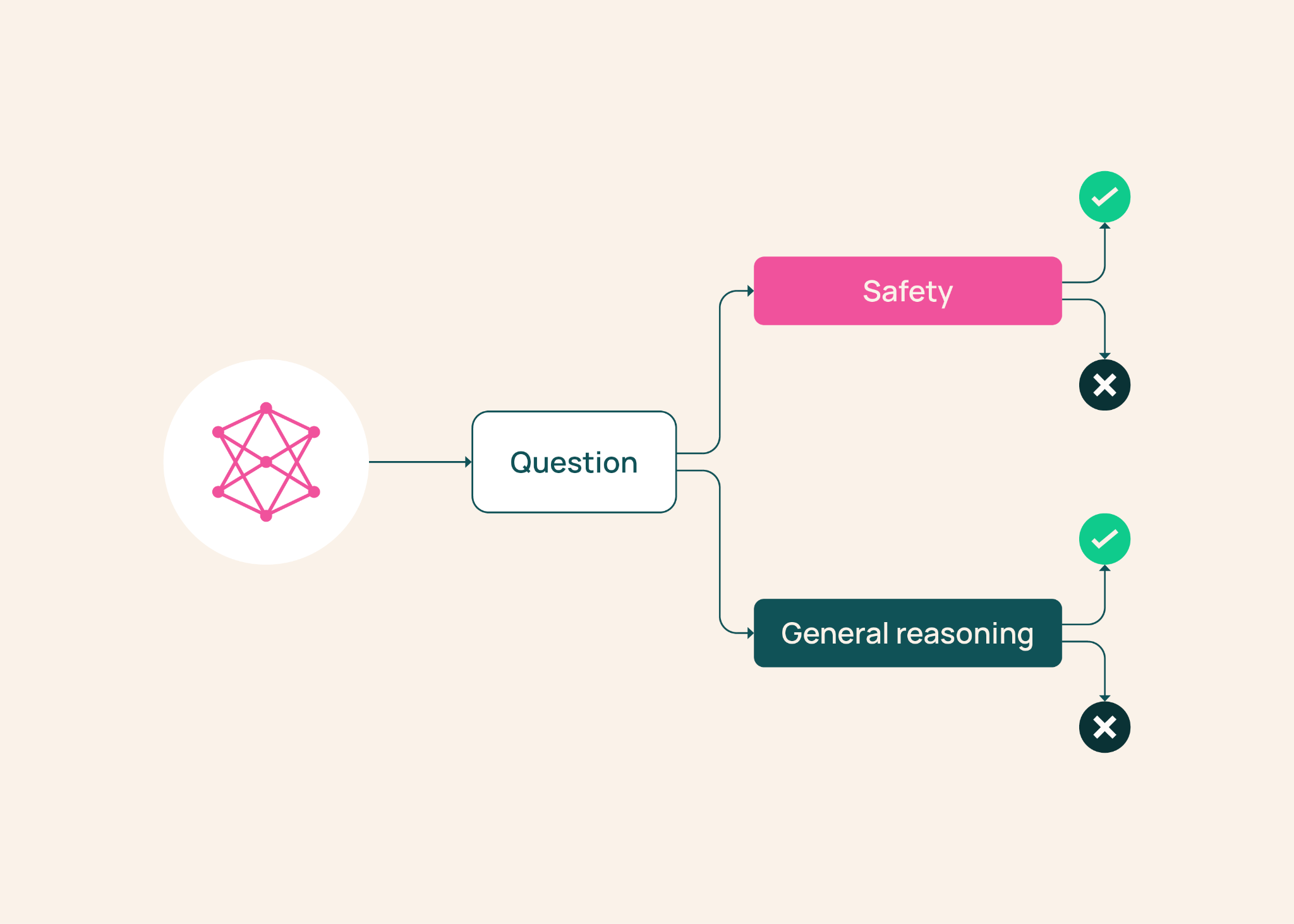
BenchMIRT: What are LLM benchmarks actually measuring?
A Blog post by Ai2 on Hugging Face
Related papers
“Failures” to be celebrated: an analysis of major pivots of software startups
This study conducts a case survey study based on the secondary data of the major pivots happened in 49 software startups, and demonstrates that customer need pivot is the most common among all pivot types.
Lean Internal Startups for Software Product Innovation in Large Companies: Enablers and Inhibitors
This study investigates how Lean internal startup facilitates software product innovation in large companies and identifies its enablers and inhibitors, and shows the potential of the method-in-action framework to investigate the Lean startup approach in non-startup context.
AI-powered Code Review with LLMs: Early Results
The goal is to not only refine the accuracy of the LLM-based tool but also to underscore its potential in streamlining the software development lifecycle through proactive code improvement and education.
Are Happy Developers more Productive? The Correlation of Affective States of Software Developers and their self-assessed Productivity
An empirical study on the impact of affective states on software developers’ performance while programming and the value of applying psychometrics in Software Engineering studies is demonstrated and a call to valorize the human, individualized aspects of software developers is echoed.