
LeRobot v0.6.0: Imagine, Evaluate, Improve
More from the blog
Agent Lightning v1.0: A 3,500-Line Lightweight Agentic RL Framework for Training Agents with Real Harnesses
Training AI agents with reinforcement learning can be challenging because their tools, context, and decision-making are managed by complex frameworks. Agent Lightning connects existing agents to RL training, making it easier to improve them without rebuilding them. The post Agent Lightning v1.0: A 3,500-Line Lightweight Agentic RL Framework for Training Agents with Real Harnesses appeared first on Microsoft Research.

Computational tools for society’s most complex challenges
Associate Professor Cathy Wu uses reinforcement learning to help map out improvements to transportation and other multifaceted systems.
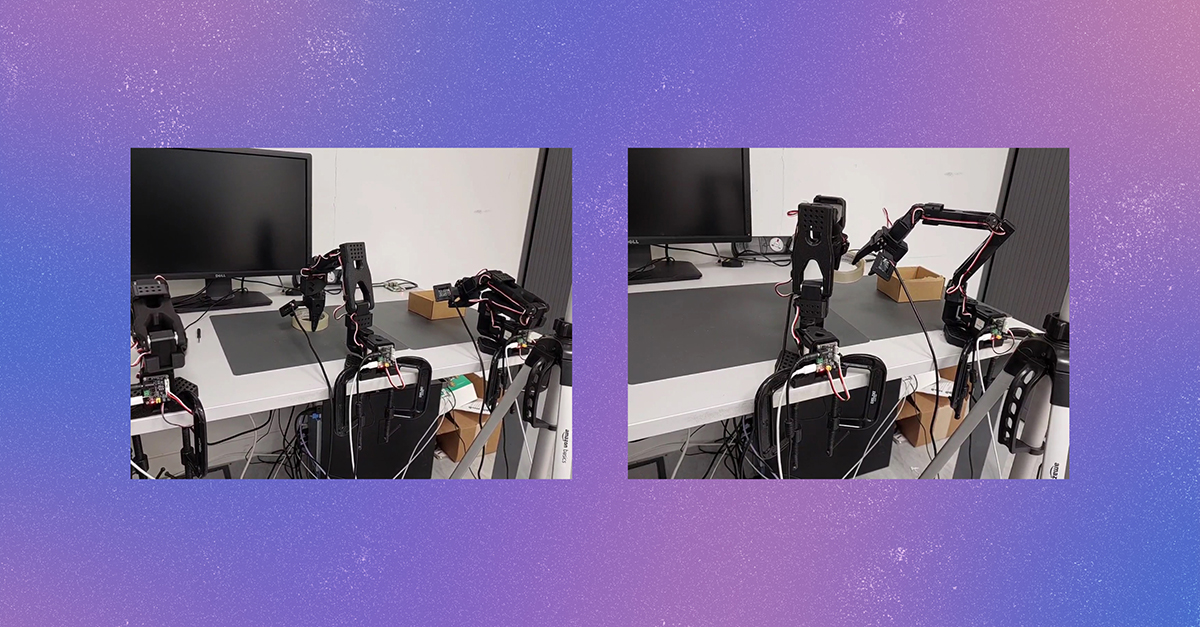
Offloaded inference for real-world physical AI robotics
Robots are getting smarter, but how can their hardware match that growth? New Microsoft Research findings show that moving AI inference beyond the robot can improve task success, boost efficiency, and support more advanced physical AI workloads. The post Offloaded inference for real-world physical AI robotics appeared first on Microsoft Research.
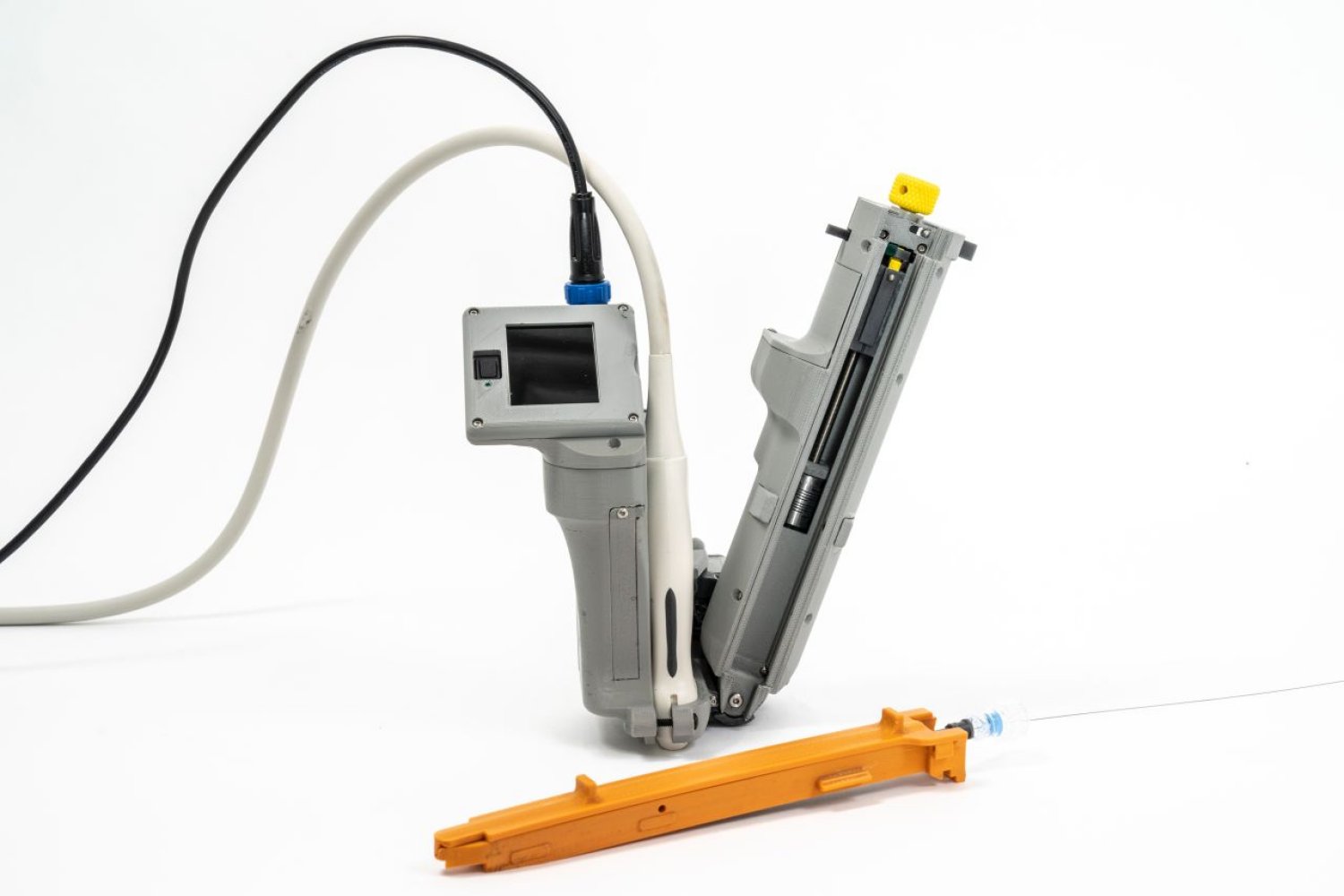
Lifesaving Lincoln Laboratory device wins 2026 Excellence in Technology Transfer Award
The handheld catheterization device AI-GUIDE, created by Lincoln Laboratory and Massachusetts General Hospital, promises improved health outcomes for injured service members and civilians.
Related papers
Transformer-Based Autonomous Driving Models and Deployment-Oriented Compression: A Survey
This survey reviews representative Transformer-based autonomous driving models and organizes them by task role, sensing configuration, and architectural design and analyzes how efficiency constraints reshaping model design choices in practice affects deployability, robustness, and safety.
SurgRAW: Multi-Agent Workflow With Chain of Thought Reasoning for Robotic Surgical Video Analysis
This work introduces SurgCoTBench, the first reasoning-focused benchmark in RAS, and proposes SurgRAW, a clinically aligned Chain-of-Thought (CoT) driven agentic workflow for zero-shot multi-task reasoning in surgery, which surpasses mainstream VLMs and agentic systems and outperforms a supervised model.
AtomicVLA: Unlocking the Potential of Atomic Skill Learning in Robots
This work proposes AtomicVLA, a unified planning-and-execution framework that jointly generates task-level plans, atomic skill abstractions, and fine-grained actions, and introduces a flexible routing encoder that automatically assigns dedicated atomic experts to new skills, enabling continual learning.
Easier Said Than Done: Unpacking Intent-Behavior Gap in Jailbreaking LLM-Based Robots
This paper introduces POEF (POlicy EFfective Jailbreak), an automated red-teaming framework that takes into account the robot-specific constraints during both the optimization and evaluation processes and proposes two defense strategies that mitigate the behavior jailbreak risks.