
Learner collaborates with MIT peers to develop book of AI insights
Prabha Jha used her experience with MIT Open Learning’s program for senior executives to develop AI solutions for her employer, Verizon, and to write a book.
More from the blog
Making machines that can listen
Professor Paris Smaragdis develops computers with superhuman hearing for applications like speech recognition, music understanding, and environmental monitoring.
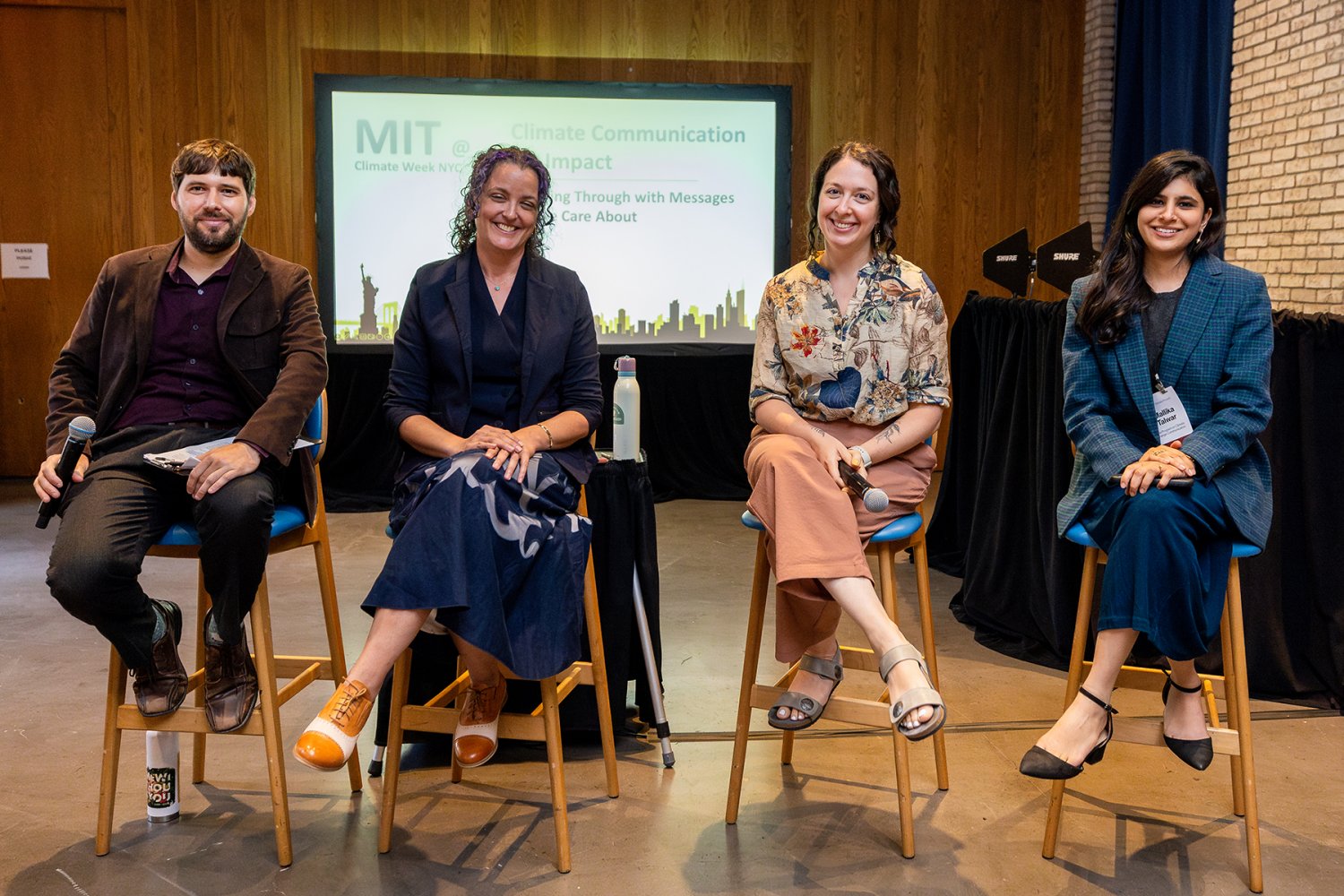
At New York Climate Week 2026, MIT connects with a global network
A cross-section of the MIT community convened discussions on topics ranging from data centers and super pollutants to agriculture and education.
At MIT, Martha Minow speaks on sustaining democracy, both by using and overcoming AI
In Compton Lecture, the distinguished legal scholar warns of potential “loss of the Enlightenment” while suggesting ways innovations can meet our civic and cultural needs.
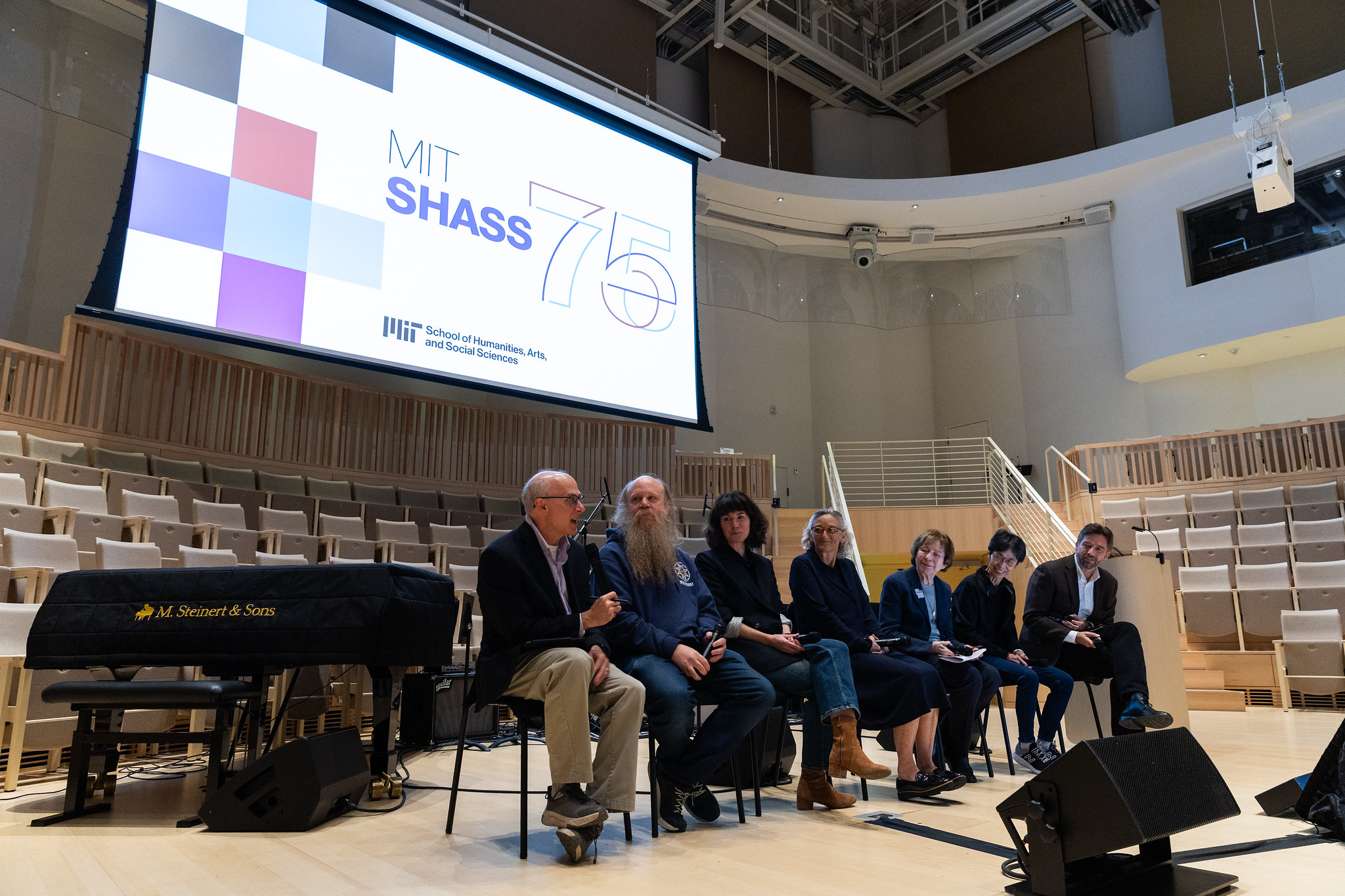
Reinforcing the value of human understanding at MIT
During the School of Humanities, Arts, and Social Sciences’ 75th Anniversary Symposium, President Sally Kornbluth said “MIT has never needed your particular insight and guidance more than we do now.”
Related papers
Token-Mol 1.0: tokenized drug design with large language models
Token-Mol is presented, a token-only 3D drug design model that encodes both 2D and 3D structural information, along with molecular properties, into discrete tokens, which introduces a Gaussian cross-entropy loss function tailored for regression tasks, enabling superior performance across multiple downstream application...
mRNABERT: advancing mRNA sequence design with a universal language model and comprehensive dataset
The authors develop mRNABERT, a foundational AI model that designs entire mRNA sequences and demonstrates superior performance across comprehensive benchmarks, which signifies a substantial leap forward in mRNA research and therapeutic development.
Time for AI (Ethics) Maturity Model Is Now
It is argued that AI software is still software and needs to be approached from the software development perspective, and whether the focus should be on AI ethics or the quality of an AI system, called a maturity model for the development of AI systems is discussed.
Unified and explainable molecular representation learning for imperfectly annotated data from the hypergraph view
OmniMol is presented, a framework using hypergraphs to improve predictions of molecular properties, addressing challenges of imperfect data annotation and enhancing model explainability, and achieves state-of-the-art performance in properties prediction.